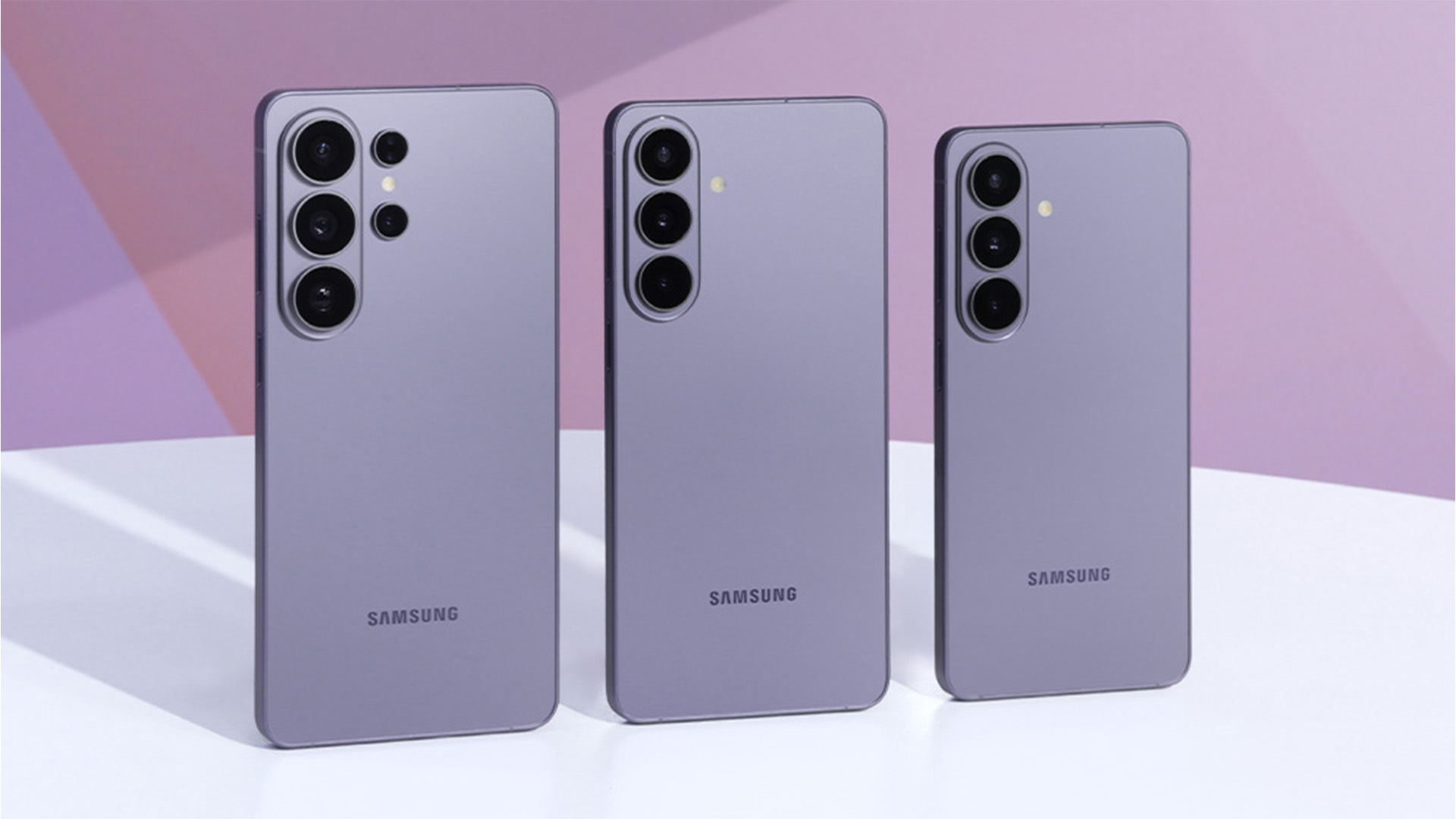
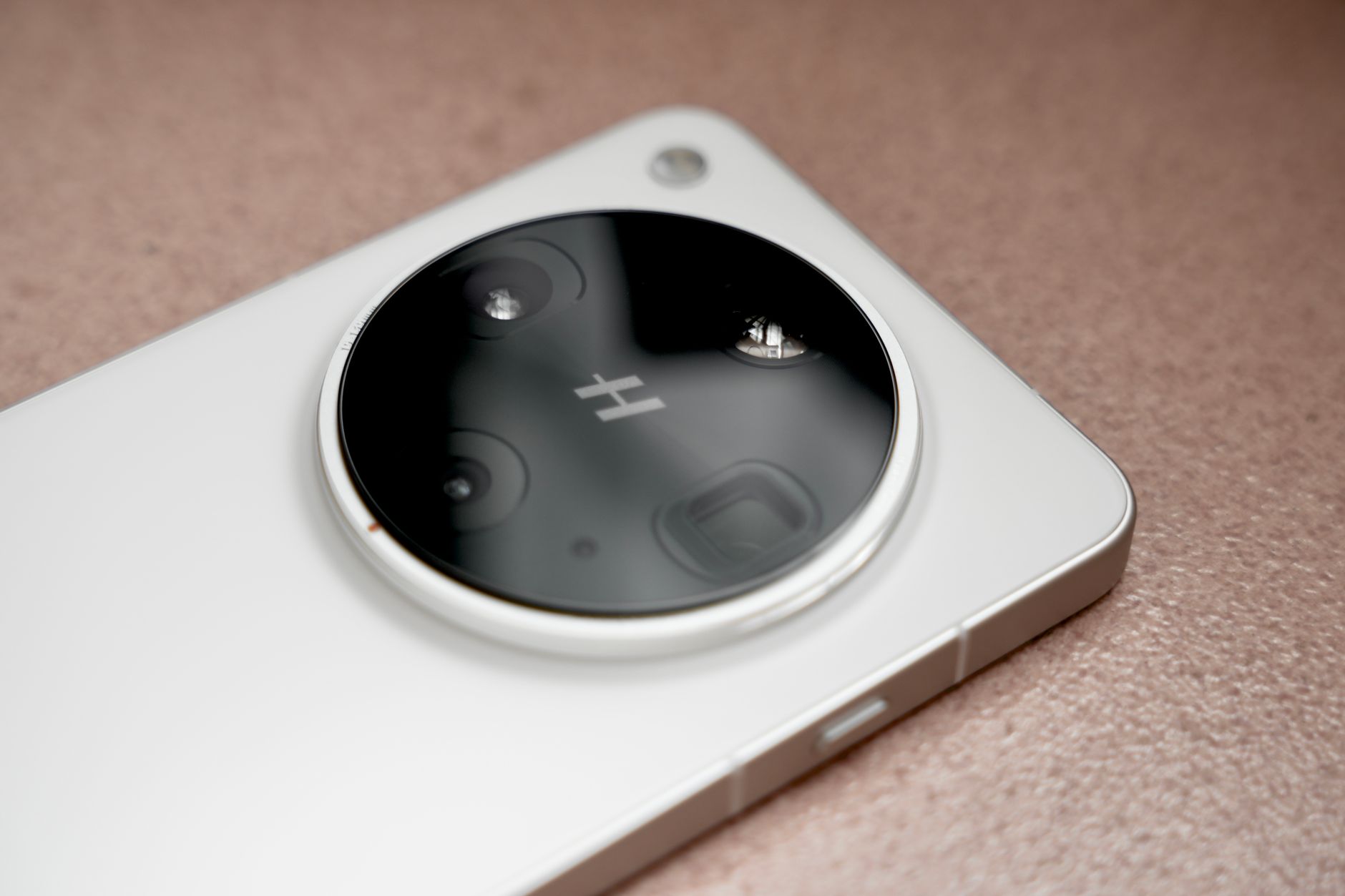
The Samsung Galaxy S27 Ultra is poised to deliver a major upgrade in imaging capabilities without altering the form factor of its predecessor. Industry insights suggest that the device will feature a 200MP main camera sensor, codenamed ISOCELL S5KHP6, which maintains the same 1/1.3-inch footprint as the current ISOCELL HP2 found on the Galaxy S25 Ultra and earlier Ultra models. This consistency in size is crucial for maintaining the slim profile of flagship devices while allowing Samsung to introduce next-generation sensor technology.
Despite the familiarity in physical dimensions, the new sensor is expected to incorporate significant enhancements under the hood. These improvements are likely to focus on pixel-level optimizations, potentially including larger pixel structures or more efficient light-gathering mechanisms. Such changes could translate to tangible benefits for users, such as improved low-light performance and a broader dynamic range, without the need for a physically larger sensor. This approach aligns with Samsung's strategy of squeezing out maximum performance from each generation while keeping devices compact.
Complementing the main camera, reports indicate that the Galaxy S27 Ultra will also receive upgrades to its ultrawide and front-facing cameras. While specifics remain under wraps, these updates are expected to follow a similar pattern of incremental improvements in resolution, aperture efficiency, or computational photography capabilities. This holistic approach to camera system enhancements suggests Samsung's commitment to pushing the boundaries of mobile photography without disrupting the user experience.

- Display: Not specified (likely AMOLED with high refresh rate)
- Chip: Likely Exynos 2400 or Snapdragon equivalent, 3nm process
- Memory: 12GB RAM (standard), 8GB+ variant possible
- Storage: 256GB base, up to 1TB with microSD expansion
- Battery: Estimated 5000mAh, likely with adaptive charging
- Cameras:
- Main: 200MP f/1.7 (ISOCELL S5KHP6)
- Ultrawide: Likely 12MP or higher, wider aperture
- Front: Improved resolution and low-light performance
- Connectivity: 5G, Wi-Fi 7, Bluetooth 5.4
- Ports: USB-C (reversible), no headphone jack
- Pricing: Not confirmed, but likely in the $1200–$1300 range
The combination of a high-resolution sensor with advanced pixel technology and consistent form factor represents a significant achievement in mobile imaging. For users, this means the potential for capturing more detail and better quality images in various lighting conditions, all while maintaining the sleek design that flagship devices are known for. The Galaxy S27 Ultra's camera system is expected to set a new benchmark for what is possible within the constraints of modern smartphone design.
While the exact specifications and performance metrics remain under wraps, the focus on sensor technology suggests Samsung is prioritizing both hardware and software innovations. This could lead to groundbreaking features in computational photography, such as enhanced night mode capabilities or more sophisticated AI-driven image processing. As always with flagship devices, the balance between cutting-edge technology and real-world usability will be key to determining how this device performs in everyday scenarios.