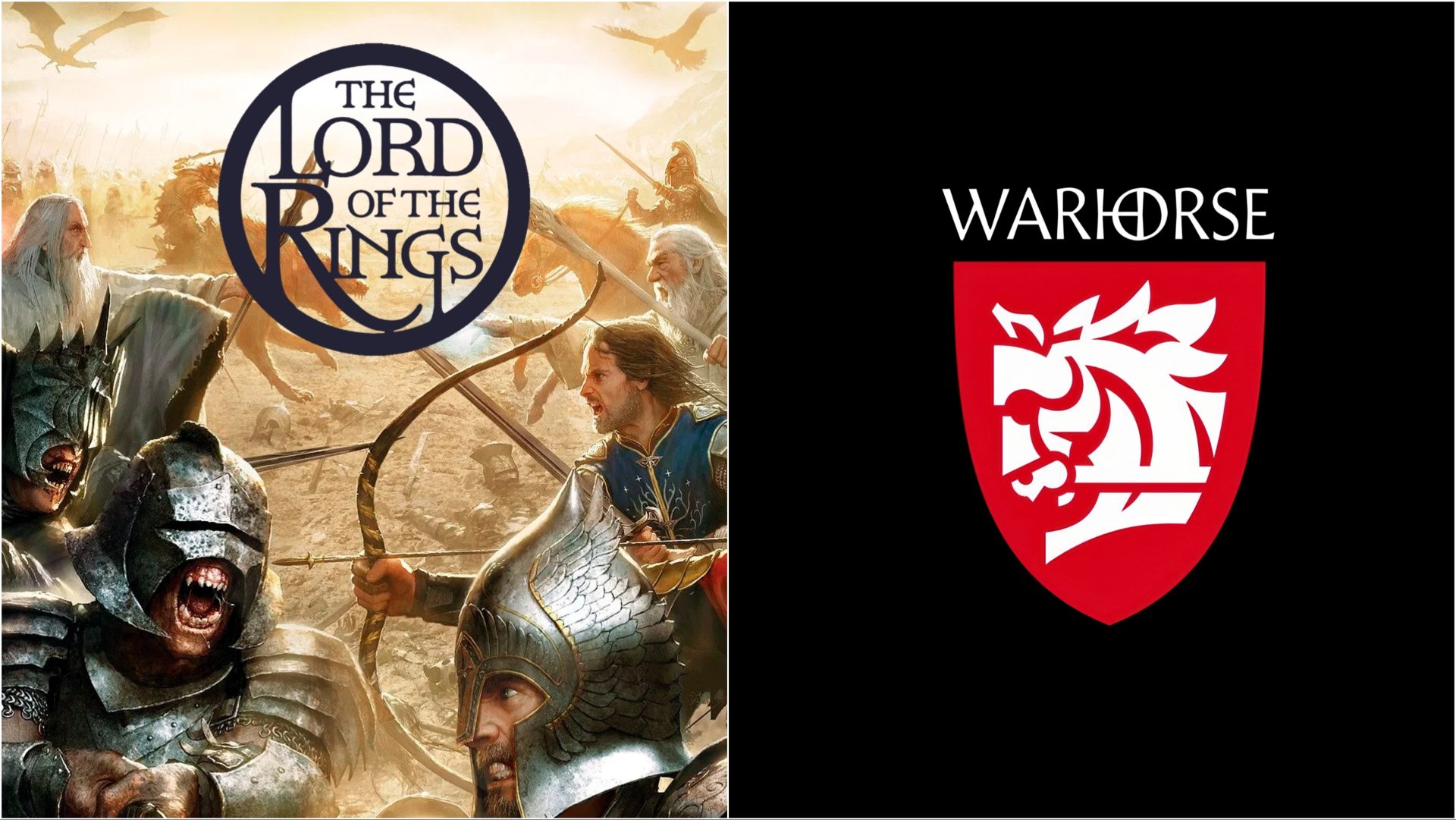
Middle-earth has always been more than just a backdrop for epic tales—it’s a living, breathing universe with its own history, cultures, and conflicts. Now, whispers of an open-world game that would let players wander its vast landscapes, from the misty hills of Rivendell to the fiery peaks of Mount Doom, have begun circulating in gaming circles.
Unlike previous adaptations that focused tightly on specific stories or characters, this rumored project is said to embrace the full scope of Tolkien’s world. Developers are aiming for a seamless experience where players can explore the lands of Hobbits, Elves, Dwarves, and Men without the constraints of pre-set missions, instead uncovering narratives as they traverse the landscape.
What We Know So Far
- Open-World Design: The game is intended to let players freely roam Middle-earth, with regions like Eriador, Rhovanion, and Mordor fully realized in an open environment. This would mark a significant shift from earlier games that relied on linear or semi-linear storytelling.
- Historical Depth: Rumors suggest the game will incorporate deep lore, allowing players to learn about the history of Middle-earth through environmental details, books, and interactions with its inhabitants—much like Tolkien himself envisioned in his unpublished notes.
- Multiplayer Elements: There may be multiplayer features that let players team up or compete, though specifics remain unclear. This could include cooperative quests or even player-driven conflicts, depending on the game’s final direction.
The technical details are still shrouded in mystery, but if this project moves forward, it would likely require significant resources to render Middle-earth with the fidelity and scale seen in modern open-world titles. Whether that translates into a polished experience or another ambitious but unfinished project remains to be seen.
A Cautious Perspective
Open-world games are notoriously challenging to execute well, especially when dealing with a world as rich and detailed as Middle-earth. Previous attempts at large-scale fantasy open-world games have faced criticism for being more about spectacle than substance—packing in too much content without enough depth or meaningful player agency.
For this game to succeed, developers would need to strike a balance: ensuring that the world feels alive and reactive while avoiding the pitfalls of bloat. If they can pull it off, though, the result could redefine how players engage with Tolkien’s universe—turning it from a static setting into an interactive, ever-evolving experience.
As for whether this project will ever see the light of day, that’s still anyone’s guess. But one thing is certain: if it does, Middle-earth will no longer be just a place to visit in books or movies—it would become a world players can truly inhabit.