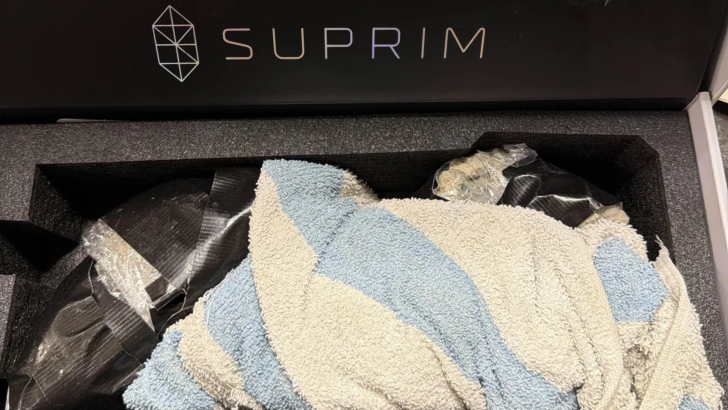
The RTX 5090 isn’t just a $1,999 GPU anymore—it’s a $3,000+ lottery ticket, and the wrong ticket can leave you holding literal rocks. That’s the reality for one buyer who unboxed an MSI SUPRIM RTX 5090 purchased through Amazon Resale, only to find the package stuffed with stones instead of a high-performance graphics card. This isn’t an isolated incident; it’s a symptom of a broken system where GDDR7 memory shortages have turned GPU resale into a high-stakes gamble.
Amazon’s Resale program, which repackages returned or discounted items, is supposed to filter out fakes and mislabeled goods. But in this case, the platform’s quality checks failed spectacularly. The GPU’s box weighed enough to pass inspection, yet contained nothing but rocks—a glaring oversight that suggests even automated systems can’t keep up with the surge in counterfeit and misrepresented high-end hardware.
This isn’t the first time Amazon has shipped the wrong—or nothing at all—when it comes to GPUs. Earlier reports detailed buyers receiving AORUS RTX 5090 cards filled with rice and pasta, or empty PCBs stripped of their silicon and memory. The pattern is clear: with prices soaring and supply chains under strain, scammers and resellers are exploiting gaps in verification processes. For a card priced at three times its original MSRP, the stakes are too high for half-measures.
**Key specs (what you *should* be getting—if you’re lucky)**
- Chip: NVIDIA GeForce RTX 5090 (AD102 architecture, 16,384 CUDA cores)
- Memory: 24GB GDDR7X (384-bit, 25.6 Gbps)
- Bandwidth: 1.2 TB/s
- TDP: 450W (MSI SUPRIM variant)
- Display Outputs: 4x HDMI 2.1, 3x DisplayPort 2.1
- DLSS: 3rd Gen (Frame Generation, Ray Reconstruction)
- Price (current resale): $3,000–$3,500+ (varies by retailer)
On paper, the RTX 5090 delivers unmatched raw performance—outpacing the RTX 4090 in raw rasterization and AI-accelerated tasks like DLSS 3. But the real-world experience for buyers is increasingly unpredictable. The GDDR7 memory bottleneck has pushed prices into speculative territory, turning legitimate resellers into targets for opportunists. Even if you land a card, thermals and power draw mean you’ll need a robust PSU and cooling setup to handle the 450W TDP without throttling.
The bigger issue? Trust. Amazon Resale’s failure to verify high-value electronics isn’t just a one-off—it’s a systemic flaw exposed by the GPU market’s inflation. Buyers are left with two options: pay a premium for verified sellers (if they exist) or roll the dice on a platform that can’t guarantee the contents of a $3,000 box. For now, the safest bet is to avoid resale entirely—unless you’re prepared to treat your purchase like a high-risk investment.
Availability and pricing: The RTX 5090 remains scarce, with resale prices fluctuating based on regional demand. Official stock is nonexistent, and third-party sellers often mark up prices by 50–100% due to GDDR7 scarcity. Buyers should verify seller ratings, request detailed photos/videos of the unboxing process, and consider local markets where physical inspection is possible.