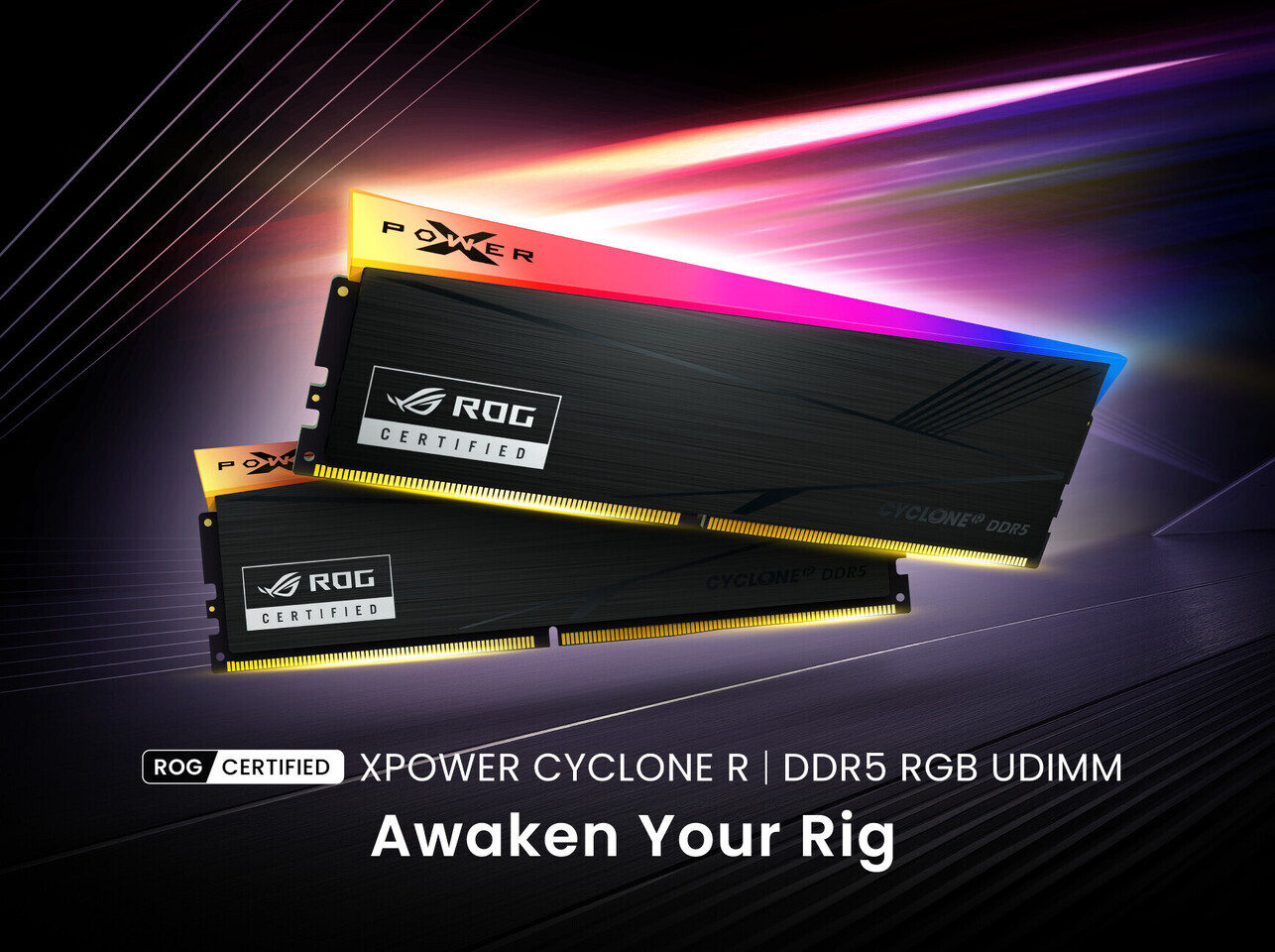
Rambus has announced a Gen2 CKD chipset that pushes DDR5 memory performance to 9600 MT/s, far surpassing the current standard range of 4800–7200 MT/s. This represents a 32% bandwidth increase over DDR5-4800 while maintaining lower power consumption—a significant advantage for AI workloads where memory throughput is becoming as critical as CPU performance.
Enterprise Adoption Hinges on New Platform Support
The 9600 MT/s specification is designed to work with Intel's Nova Lake and AMD's Zen 6 architectures, both of which are expected to prioritize AI acceleration. However, no major motherboard manufacturer has yet confirmed support for this speed, creating uncertainty for enterprise buyers who may find themselves unable to fully utilize these new processors until later in the year.
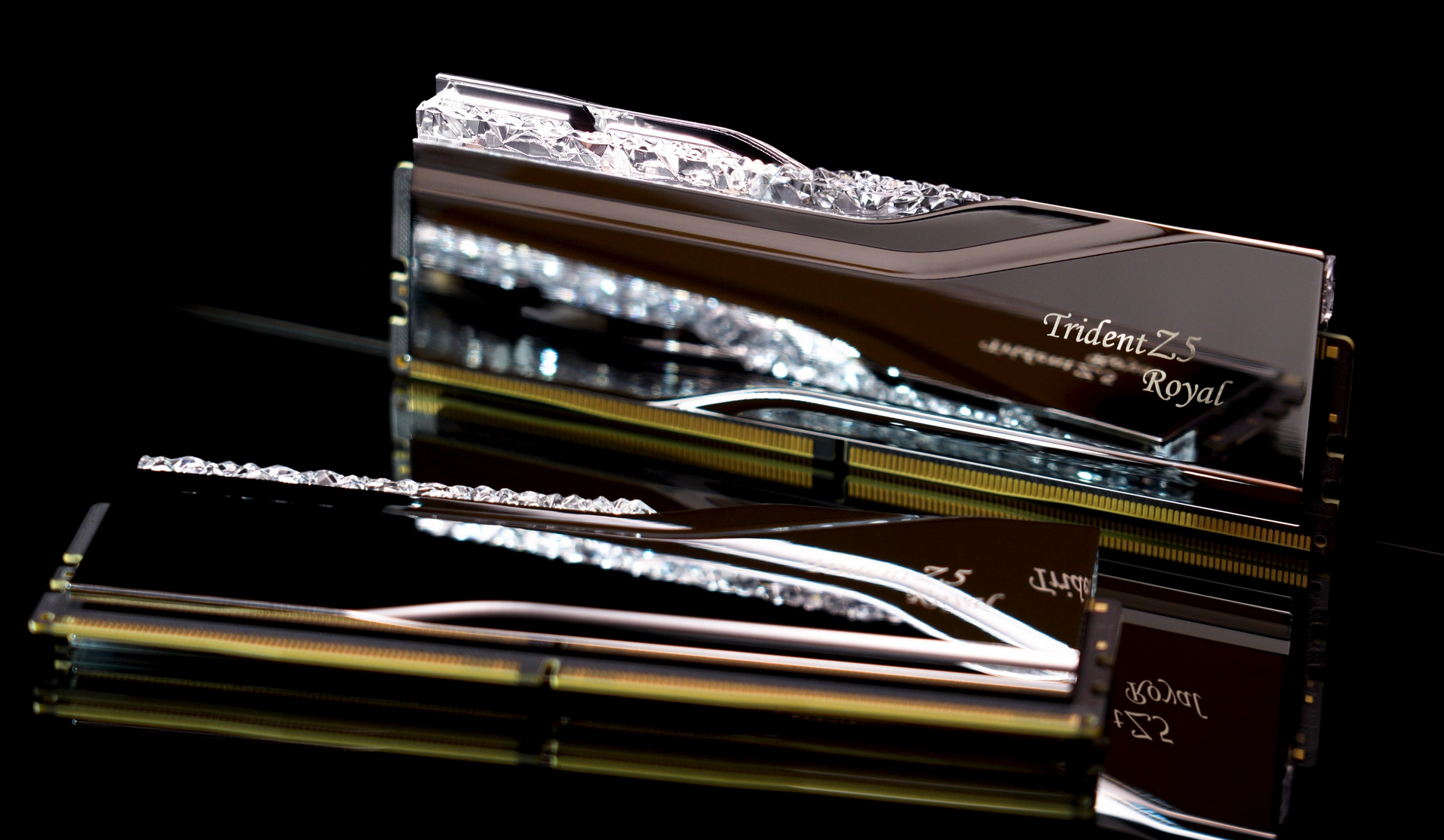
- Performance Potential: If widely adopted, 9600 MT/s could significantly reduce latency for high-bandwidth tasks like data center training and inference models.
- Compatibility Risks: Without confirmed motherboard support, enterprises may be limited to incremental upgrades rather than the transformative performance improvements they seek.
A Glimpse of Future Possibilities
The technology's success will depend on how quickly motherboard vendors update their designs and validate stability at scale. Rambus's previous DDR5 speed records, such as 8400 MT/s, were largely limited to lab benchmarks with minimal real-world deployment. Whether 9600 MT/s follows the same path remains to be seen.
For now, this development offers a preview of what is possible rather than an established standard. The DDR5 ecosystem continues to evolve, and compatibility remains its biggest challenge. Buyers should approach this technology with cautious optimism, recognizing that while it represents significant potential, widespread adoption has yet to be proven.