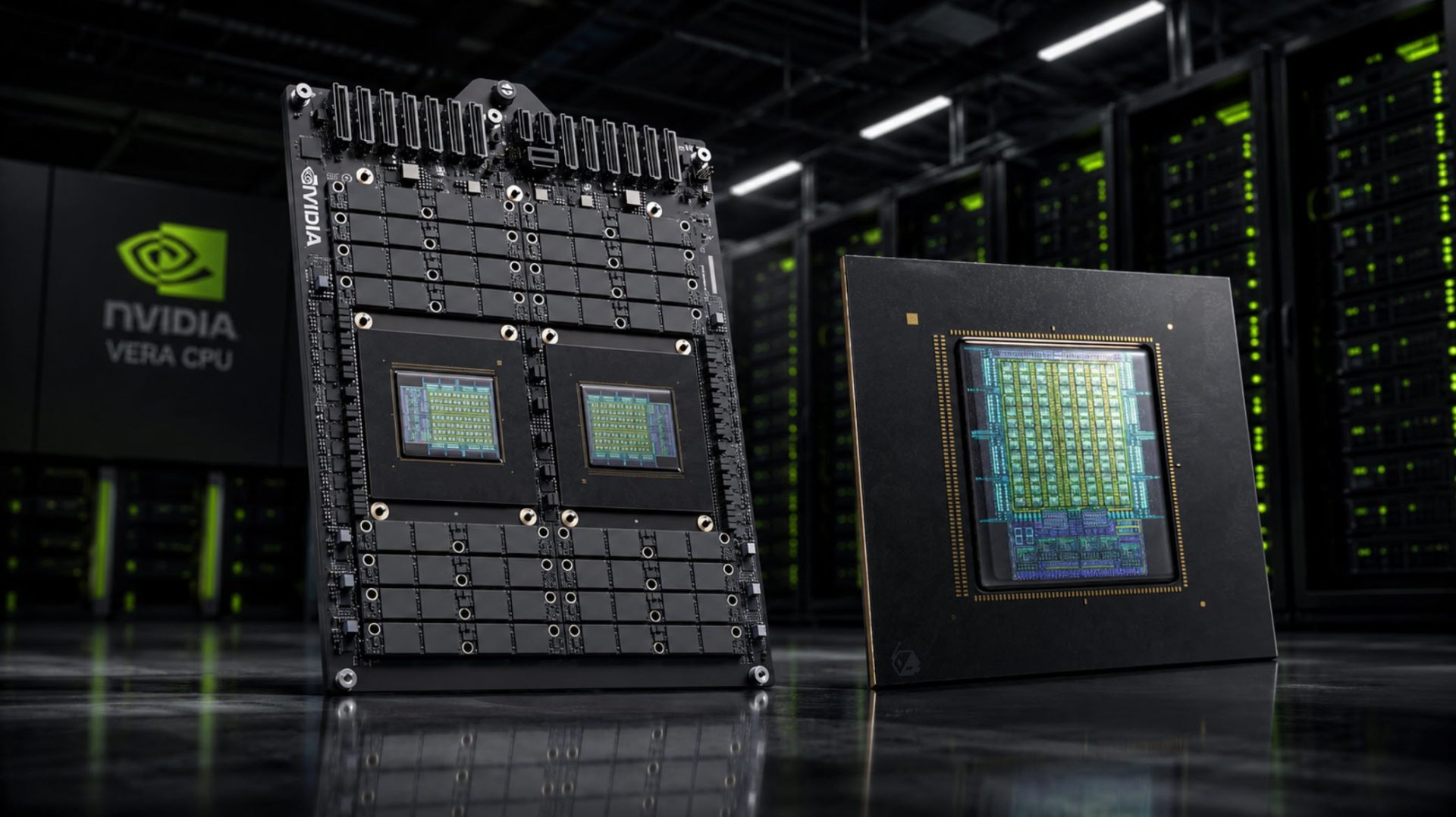
NVIDIA's latest Vera CPU has emerged as a potential game-changer in the data center sector, with early benchmarks indicating significant performance gains over existing Intel and AMD processors.
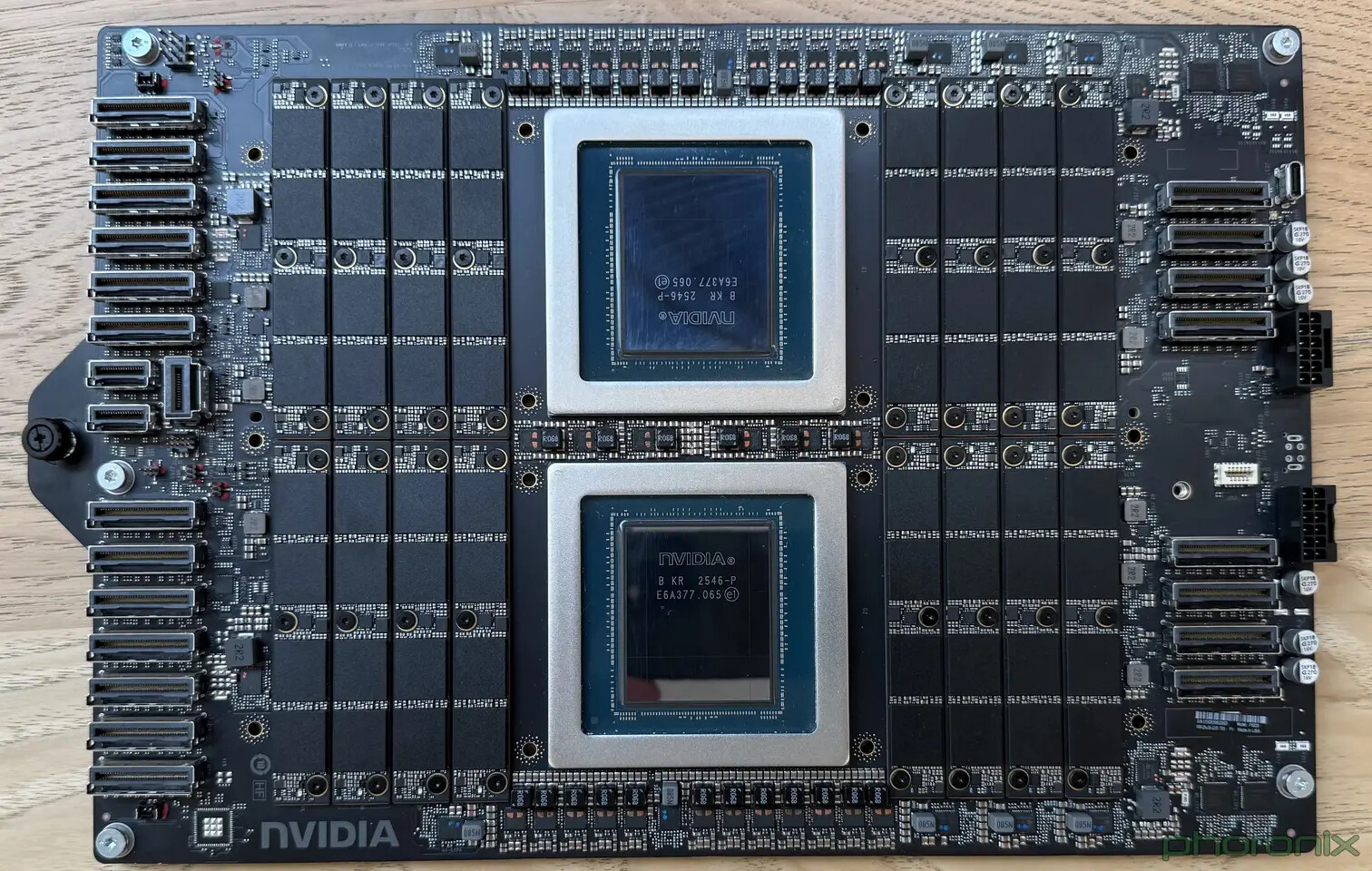
The Vera, an Arm-based design, features 88 custom Olympus cores delivering 176 threads through physical resource partitioning. It supports native FP8 processing, enabling efficient execution of certain AI workloads on the CPU itself. The chip also offers substantial memory bandwidth and scalability options, positioning it as a strong contender in high-performance computing environments.
Key Specifications
- Core Architecture: Custom Armv9.2 Olympus cores (88 cores, 176 threads)
- Memory Support: Up to 1.5 TB LPDDR5X in SOCAMM2 format, 1.2 TB/s bandwidth
- Bandwidth: 3.4 TB/s bisection bandwidth via second-generation Scalable Coherency Fabric
- Power Efficiency: 450 W TDP for CPU, 50 W for 768 GB memory pool
- Special Features: Native FP8 processing, 6x128-bit SVE2 implementation
The Vera's performance in benchmarks has been notably strong, particularly in workloads like code compilation and AI tasks. While direct comparisons with Intel Xeon and AMD EPYC models show mixed results, the Vera's ability to outperform single-socket configurations suggests a robust design for future-proofing data center infrastructure.
Market Implications
The Vera CPU is part of NVIDIA's broader strategy to expand its presence in the CPU market, which could potentially rival established players like Intel and AMD. With projections indicating a $20 billion sales figure for Vera and Grace CPUs combined, the impact on the data center ecosystem could be substantial.
What Remains Unclear
Despite the promising benchmarks, several aspects of the Vera CPU remain uncertain. The full range of supported workloads and its real-world performance in diverse data center environments are yet to be fully evaluated. Additionally, the long-term viability of Arm-based designs in a market dominated by x86 architectures is still an open question.
Availability and Pricing
While NVIDIA has not yet announced official pricing or availability for the Vera CPU, industry sources suggest that it could enter the market as early as mid-2026. Given its potential to disrupt the data center landscape, buyers should keep a close eye on updates from NVIDIA and its partners.
The Vera CPU represents a significant step forward in NVIDIA's ambitions to become a major player in the CPU market. Its performance in benchmarks, combined with its innovative features, could make it a compelling choice for data center operators looking to future-proof their infrastructure. However, the true test will be how it performs under real-world conditions and whether it can sustain its lead over competing architectures.