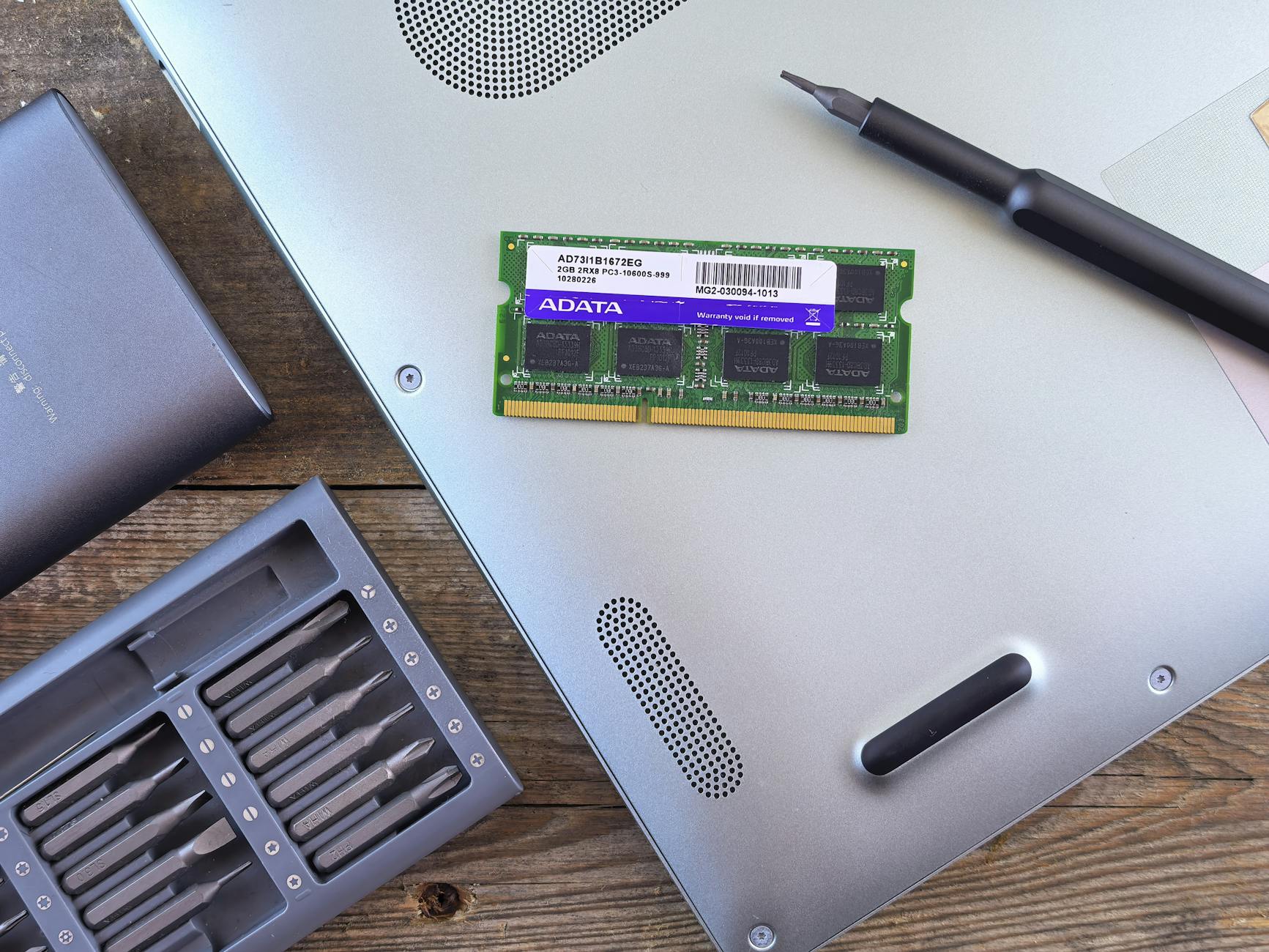
The global RAM market is facing another critical phase as geopolitical tensions in the Strait of Hormuz threaten to intensify an already severe shortage. While suppliers have been attempting to stabilize prices, new disruptions could trigger further price increases, exacerbating the strain on both manufacturers and consumers.
RAM production has always depended on a delicate equilibrium between supply and demand, but recent months have seen that balance shift dramatically. The current crisis is driven by multiple factors: surging demand for high-capacity modules, manufacturing bottlenecks, and logistical challenges. Now, the situation is being complicated by a new factor—shipping disruptions in one of the world’s most vital trade routes.
The Strait of Hormuz serves as a critical bottleneck for approximately 40% of global oil shipments and a significant portion of commercial maritime traffic, including vessels transporting memory chips. Any escalation in tensions could lead to delays or diversions, increasing transportation costs and further tightening supply. While the exact impact is still unclear, industry observers suggest that even minor disruptions could have widespread ripple effects, leading to longer lead times and higher prices for RAM modules.
Current market conditions are already strained. Prices for DDR4 and DDR5 modules have been volatile, with some suppliers reporting price increases of up to 20% in recent months. The shift toward higher-capacity modules—such as those used in gaming PCs, data centers, and AI workloads—has also put additional pressure on production lines. Manufacturers are struggling to meet demand, particularly for modules that meet the performance requirements of next-generation systems.
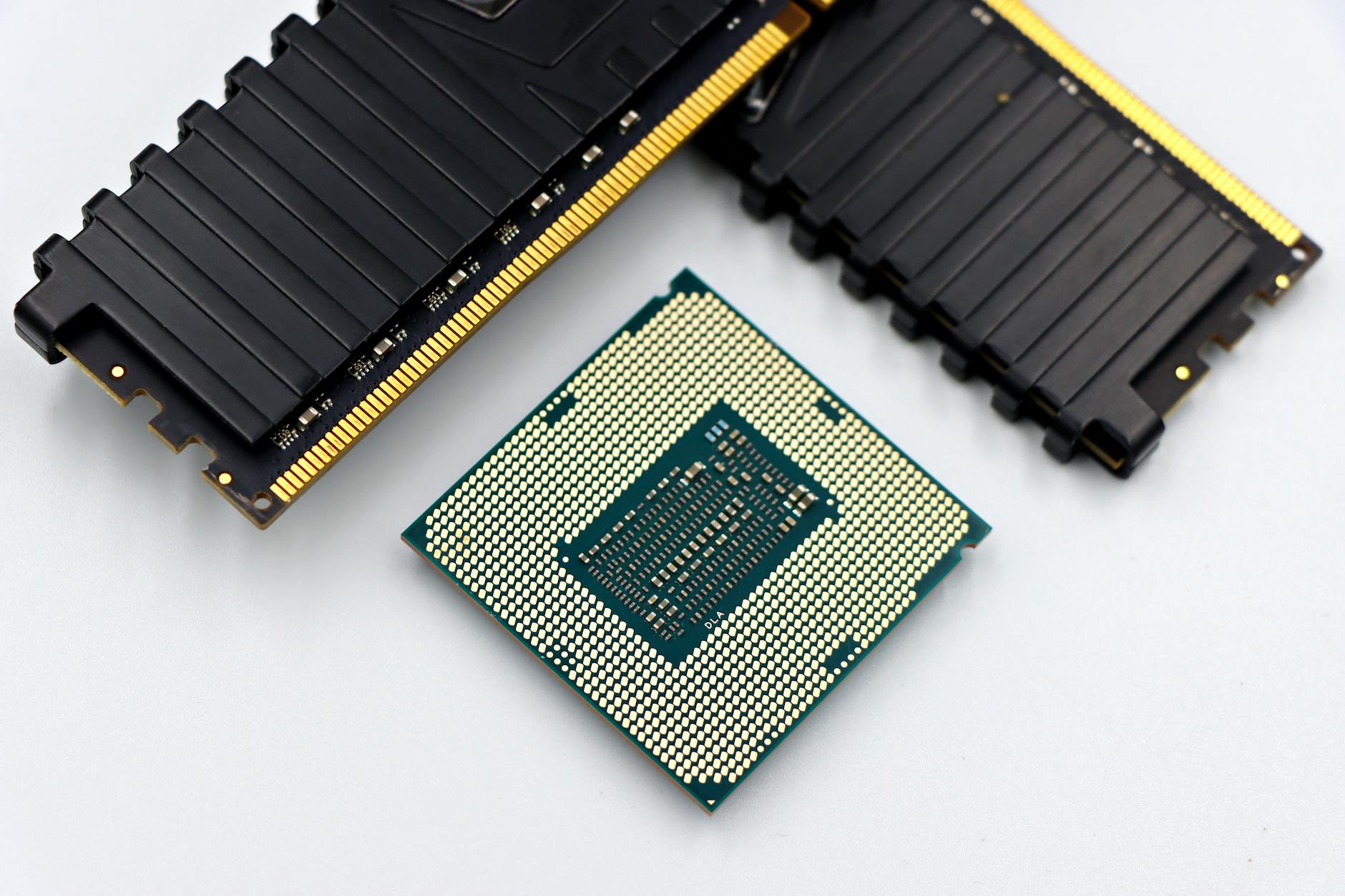
For end-users, the implications are significant: higher costs for new builds, longer wait times for custom orders, and potential shortages in certain configurations. While some manufacturers have begun stockpiling inventory to mitigate risks, this strategy is not without its challenges. Excess inventory can tie up capital, and if demand softens, those stocks could become a financial burden rather than a safeguard.
Looking ahead, the stability of the RAM market will depend on whether disruptions in the Strait of Hormuz persist or worsen. If tensions escalate, alternative shipping routes may need to be activated, which could further delay deliveries and inflate costs. Meanwhile, suppliers are exploring ways to ramp up production, but scaling up is a gradual process that requires time and investment.
For now, the focus remains on managing the immediate crisis. Manufacturers are prioritizing stability over rapid expansion, while consumers brace for potential price surges. The situation highlights the fragility of global supply chains, particularly in industries where even small disruptions can have outsized effects. As the RAM shortage continues to evolve, one thing is certain: the road to recovery will be long and uncertain.