The iPhone 16 Pro stands as a testament to Apple’s ability to refine rather than revolutionize its flagship product line. While it doesn’t introduce radical external changes—such as foldable designs or dramatic form-factor shifts—the internal advancements redefine what performance and efficiency mean in a mobile device. This year’s model is not just faster; it is more intelligent about how it delivers that speed, ensuring sustained performance without compromising battery life or thermal comfort.
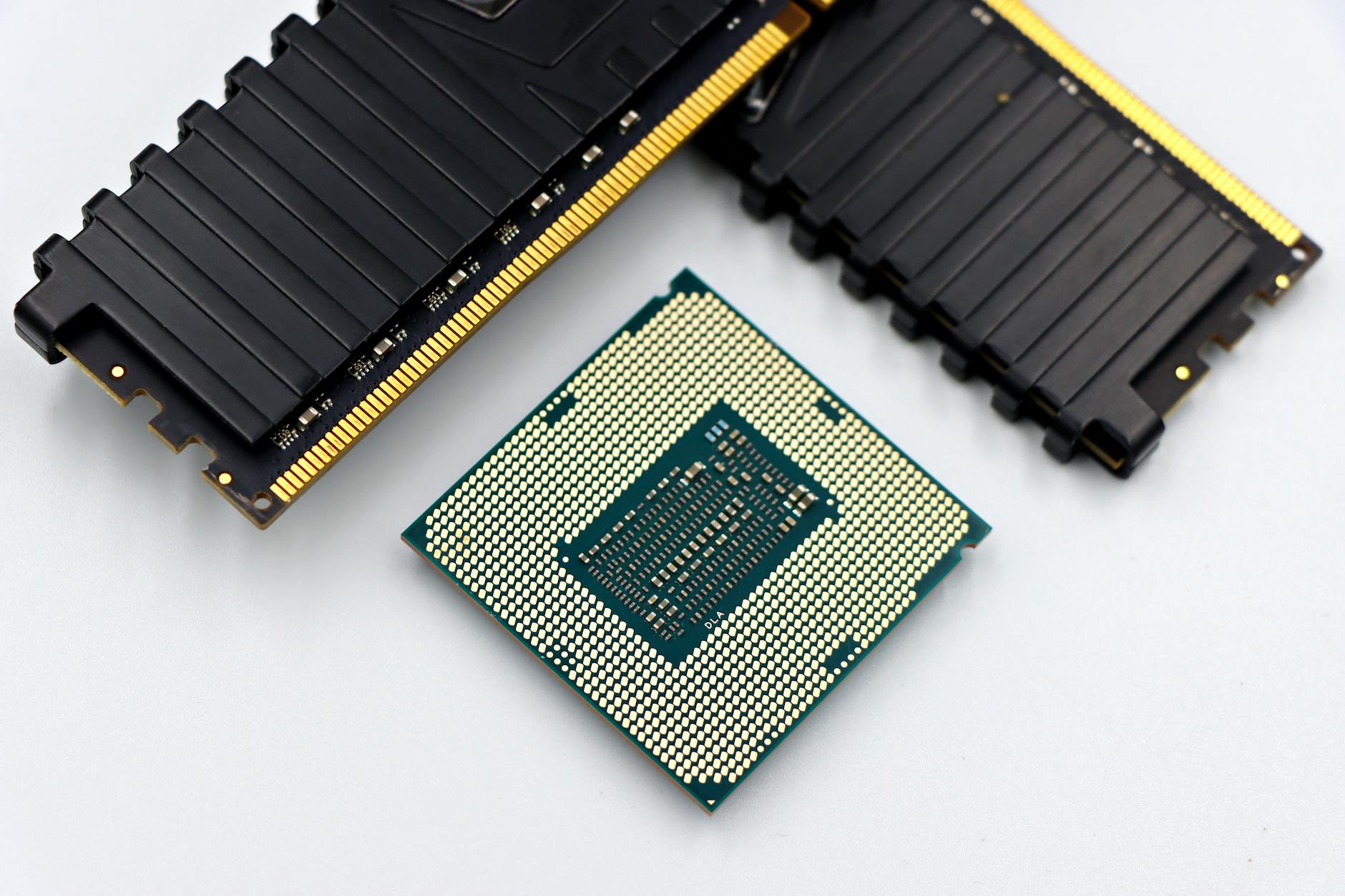
At the core of this evolution is Apple’s custom silicon architecture, which integrates the CPU, GPU, and NPU more tightly than ever before. The A18 Pro chip, built on a 5 nm process, achieves boost clocks of up to 4.0 GHz while minimizing thermal output. This balance was achieved by rethinking power delivery and heat dissipation at the system level, allowing for longer periods of sustained performance without throttling. However, this refinement required significant engineering tradeoffs, including larger vapor chambers and more efficient heat pipes to prevent overheating during intensive tasks like video editing or 3D modeling.
Where It Fits in Apple’s Ecosystem
The iPhone 16 Pro is designed to sit at the pinnacle of Apple’s mobile ecosystem, catering primarily to users who demand both professional-grade performance and seamless integration with other Apple devices. Its hardware optimizations are complemented by software enhancements in iOS 18, which further streamlines workflows for creators and power users.
- Supported devices: All iPhone 16 Pro models (128 GB, 256 GB, 512 GB, 1 TB)
- Software compatibility: iOS 18, optimized for A18 Pro performance
- Connectivity: USB-C port with 48 Gbps data transfer, 5G (sub-6 GHz and mmWave), Wi-Fi 6E, Bluetooth 5.3
The switch to a USB-C port is the most visible change, aligning with industry standards while eliminating the need for Lightning cables. However, this transition introduces practical considerations for users who rely on existing accessories, adding a layer of operational cost. The 120 Hz ProMotion display further enhances usability with smoother scrolling and transitions, though its higher refresh rate demands more power, tightening the battery-life equation.
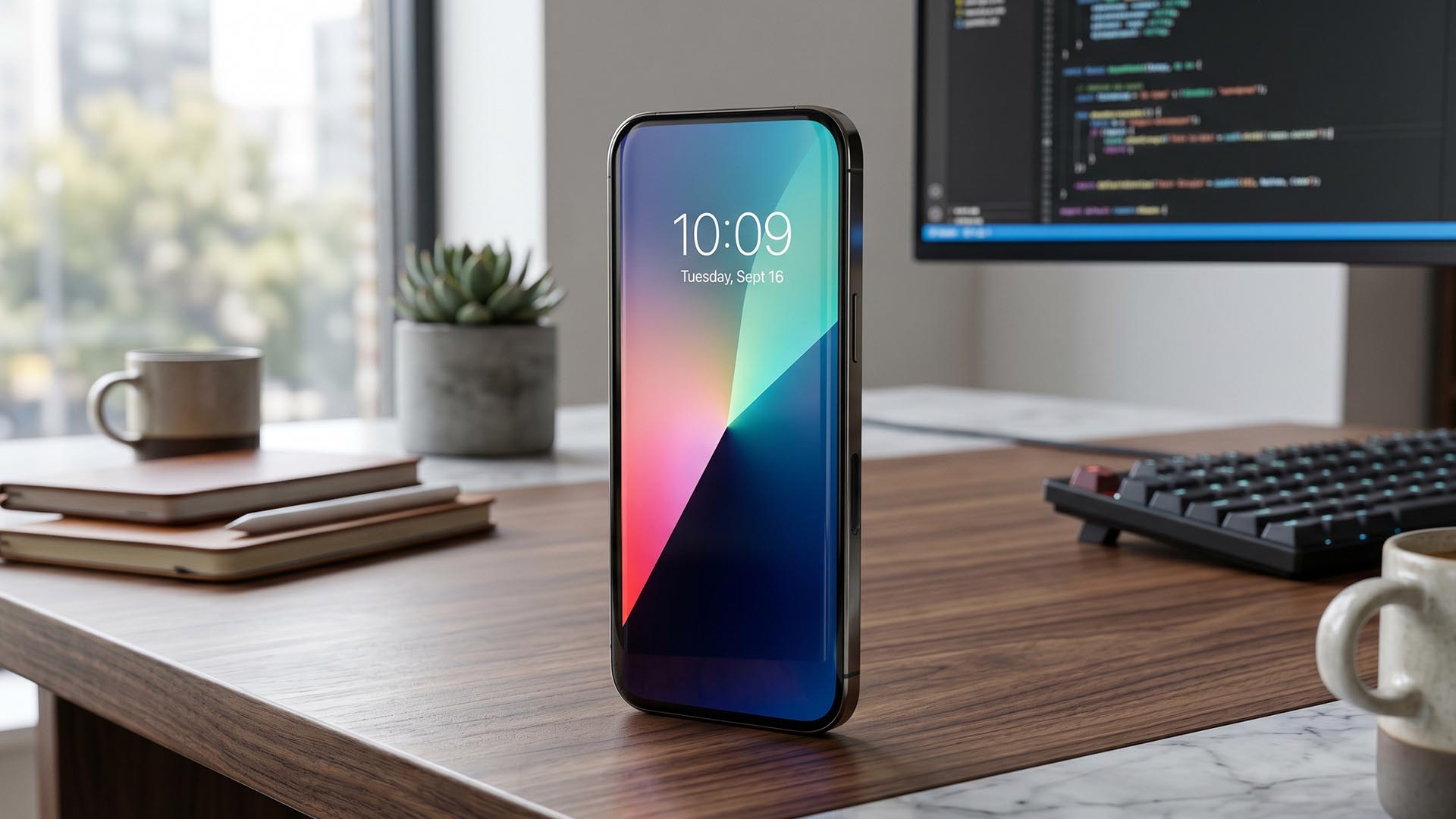
Key Specifications
- Chip: A18 Pro (5 nm process, 6-core CPU: 2 performance + 4 efficiency; GPU: up to 4.0 GHz boost)
- RAM: 8 GB LPDDR5X
- Storage: 128 GB, 256 GB, 512 GB, 1 TB (no microSD slot)
- Display: 6.1-inch Super Retina XDR OLED (2000 nits peak brightness, ProMotion 120 Hz)
- Cameras: 48 MP main (f/1.78), 12 MP ultra-wide (f/2.2), 12 MP telephoto (3x optical zoom, f/2.8), LiDAR scanner
- Battery: 3,200 mAh (estimated, varies by region)
- Ports: USB-C (reversible, 48 Gbps); no headphone jack or Lightning port
Market Dynamics and User Impact
The iPhone 16 Pro is positioned at the intersection of creator demand and supply-chain constraints. Apple’s focus on sustained performance over raw single-core speed reflects a broader shift in how mobile platforms are evaluated, with efficiency becoming as important as peak metrics. This approach lowers the barrier for professional workloads—such as video editing and AR development—but it also means that budget-conscious creators may find the device’s capabilities outpacing their immediate needs.
For power users and creators, the iPhone 16 Pro is a precision-crafted tool: more capable than before but with tradeoffs that require them to rethink workflows. It is not a leap forward in form; it is a refinement of what already works, executed with surgical precision. The device’s ability to sustain high performance without significant thermal throttling makes it particularly appealing for those who rely on their iPhone as a primary workstation.
What’s Confirmed and What Remains Unknown
The iPhone 16 Pro is confirmed to ship in four storage tiers, with no support for microSD cards. Pricing starts at $999 for the 128 GB model, rising incrementally for higher capacities. The USB-C port is standard across all variants, eliminating any ambiguity about compatibility.
What remains unconfirmed is how aggressively Apple will push software optimizations to extend battery life under heavy loads—a critical factor for users who depend on their device for prolonged creative work. If Apple can further refine power management, the iPhone 16 Pro could set a new benchmark for efficiency in flagship mobile devices.
The iPhone 16 Pro is more than just an incremental upgrade; it is a reflection of Apple’s ongoing commitment to balancing innovation with usability. It serves as a reminder that true advancement often lies not in radical changes, but in the careful refinement of existing technologies to meet evolving user needs.