Enterprise storage has long been a balancing act between capacity, performance, and cost. The introduction of Phison’s Pascari D206V SSD disrupts this equation by delivering a single U.2 drive with 245.76 TB of raw capacity—a figure that surpasses conventional HDD-based systems while maintaining PCIe Gen 5 performance. This achievement isn’t just about pushing storage limits; it signals a shift toward more compact, high-density solutions for data centers grappling with exponential data growth.
The drive’s specifications underscore its dual role as both a capacity powerhouse and a performance-oriented storage solution. With sequential read speeds of up to 14 GB/s and random read IOPS reaching 2,625K, the D206V positions itself as a viable alternative for AI workloads that demand low-latency access to massive datasets. However, its true value may lie in operational simplicity—a departure from traditional enterprise SSDs that often require complex configurations or additional hardware to achieve similar performance.
For hyperscale data centers, the implications are substantial. The ability to consolidate storage density by 8-to-1 compared to HDD arrays reduces not only rack space but also power consumption and cooling requirements. This efficiency gain is particularly critical for AI-driven environments where energy costs and physical footprint can be significant barriers to scaling. Smaller enterprises, on the other hand, face a more nuanced challenge: whether the cost per terabyte will justify the transition from HDDs remains an open question, especially as the industry grapples with balancing capacity needs against budget constraints.
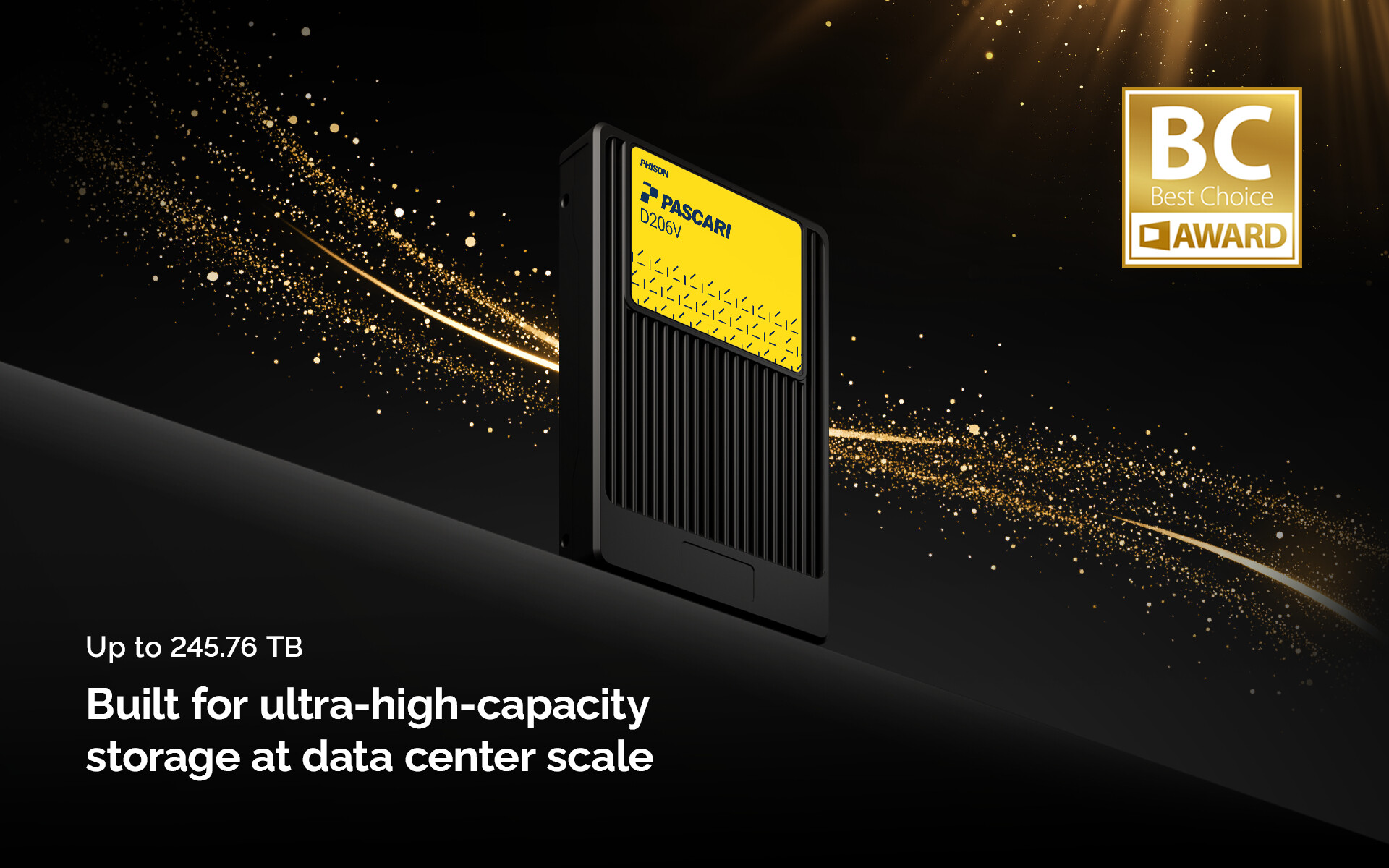
One lingering uncertainty is how well the D206V will integrate into existing data center ecosystems. While its adherence to OCP specifications is a positive step, widespread adoption hinges on compatibility with legacy systems and the willingness of vendors to adopt this high-capacity standard. Early benchmarks suggest strong performance and reliability, but real-world testing under varied workloads will determine whether it becomes an industry staple or remains a niche product for specialized use cases.
The Pascari D206V’s arrival forces data center operators to reconsider their storage strategies. It offers a glimpse into the future of enterprise storage—one where capacity, performance, and efficiency converge without sacrificing reliability. Whether this drive becomes the catalyst for broader industry shifts or merely another high-capacity innovation will depend on how quickly it adapts to the evolving needs of AI and HPC infrastructure.