QNAP has consolidated its cloud storage offerings into a single subscription model—myQNAPcloud One—that merges traditional NAS backup workflows with S3-compatible object storage. Unlike traditional tiered services, the platform allows users to allocate storage dynamically between backup and object use cases, eliminating the need for separate subscriptions.
The solution follows a year of early access testing, where IT teams deployed it in production environments for both backup and object storage. Feedback highlighted demand for a unified approach that simplifies billing and reduces operational overhead. The launch now formalizes that shared-capacity model, with features designed to meet enterprise-grade security and compliance needs.
Key advantages include
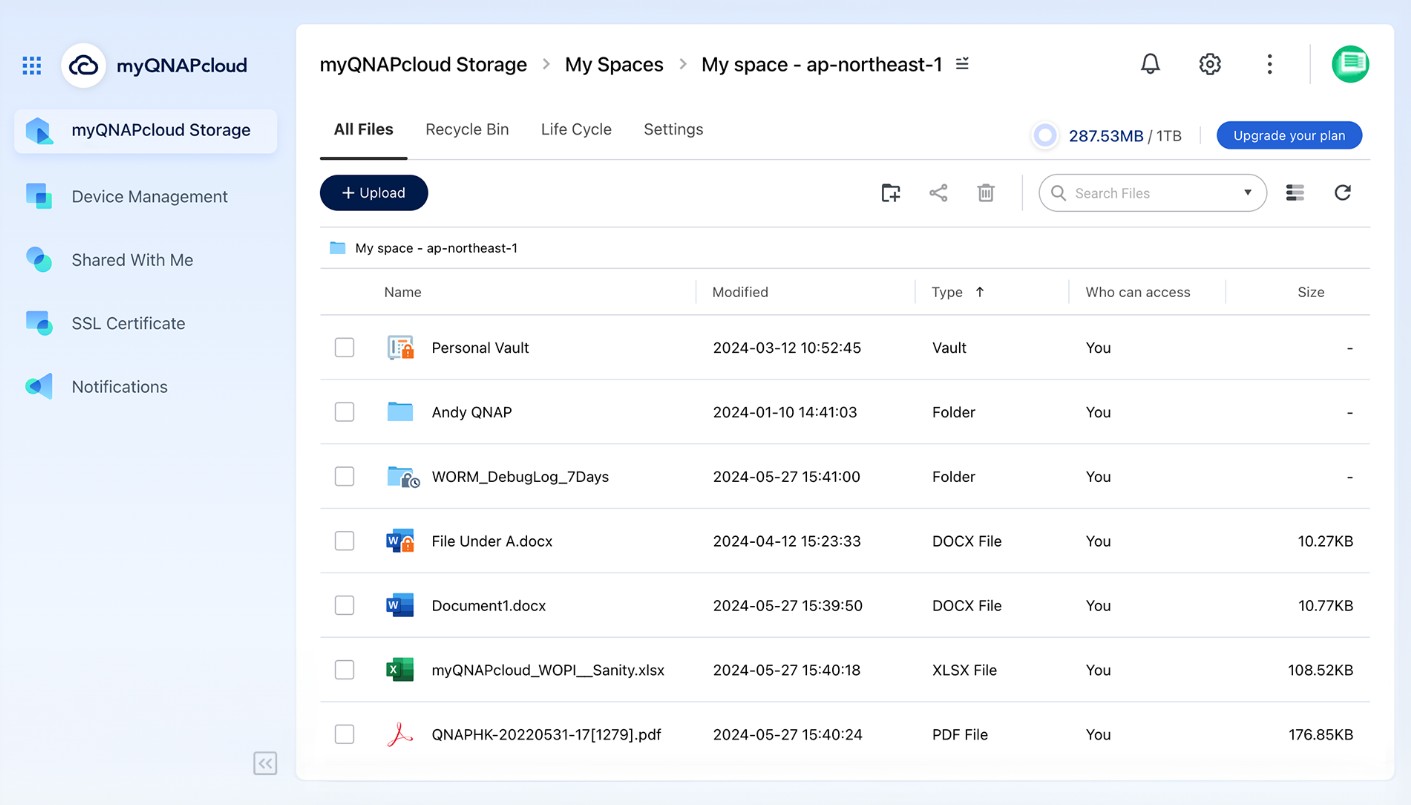
- Flexible allocation: Purchase a total storage pool (starting at 1TB) and split it between NAS backups and object storage as needs evolve.
- No hidden transfer costs: Data transfer and API requests are included, making pricing predictable compared to competitors.
- Immutable storage: Object lock functionality prevents unauthorized alterations or deletions for defined periods, critical for ransomware protection and regulated industries.
- Global data centers: 13 locations worldwide support low-latency access and compliance with regional data laws.
- Seamless NAS integration: Works directly with QNAP’s backup tools, maintaining familiar interfaces for IT administrators.
The updated myQNAPcloud Storage—now part of the unified service—adds granular controls for backup management, including 180-day activity logs, file-sharing with expiration dates, and retention of up to 100 file versions. These features help teams track changes, enforce access policies, and recover lost data efficiently.
Pricing starts at $8.39 per month for 1TB on a monthly plan or $6.99 per month (effective rate) when paid annually. Additional capacity tiers scale upward, and regional sales teams are available to assist with custom configurations.
The service is positioned as a cost-effective alternative to managing separate cloud storage subscriptions, particularly for organizations balancing NAS backups with object storage needs.