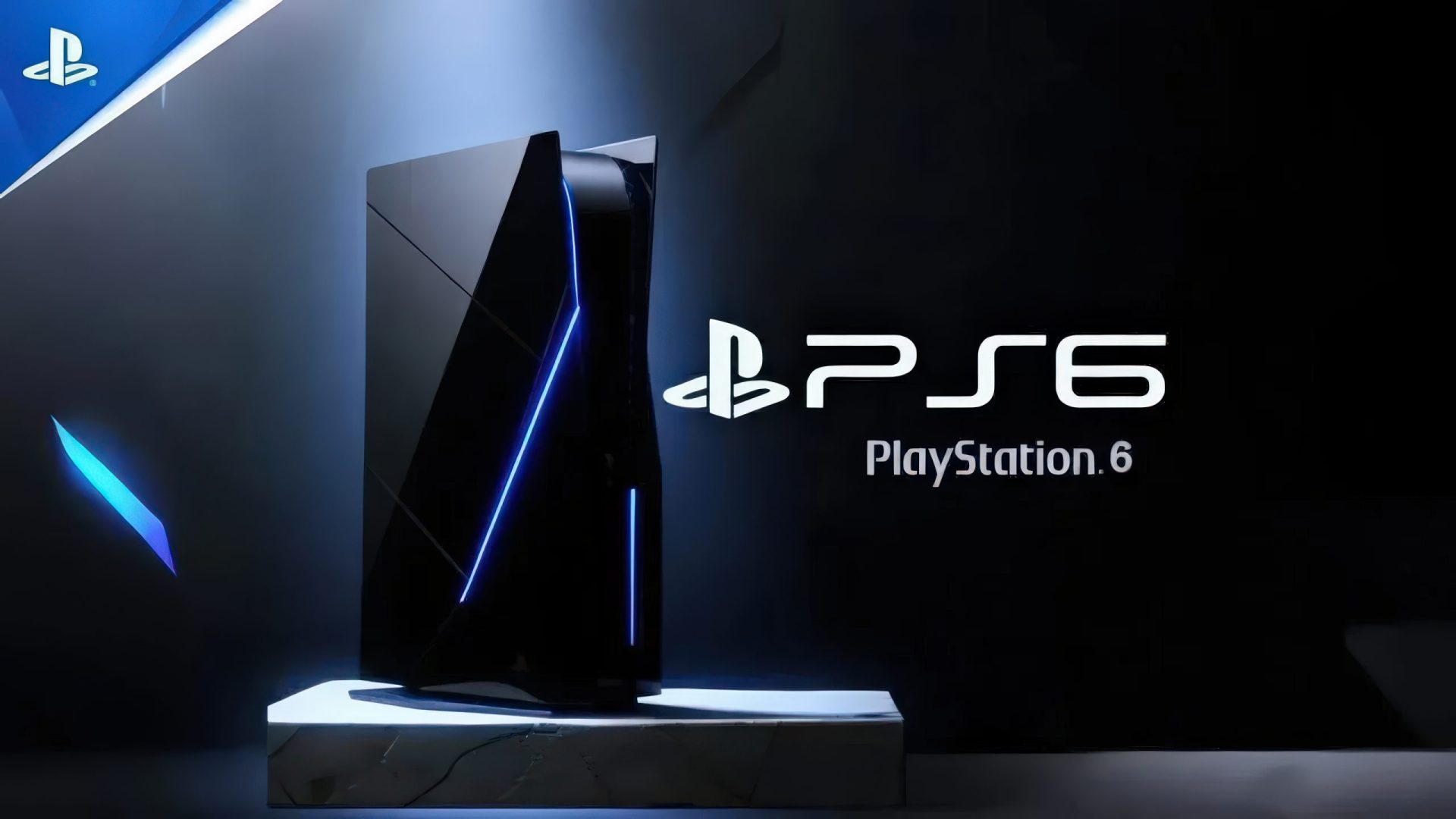
Sony’s decision on the PlayStation 6 launch timeline hinges on a careful calculation: the cost of delaying production versus the expense of securing GDDR7 memory at elevated prices.
Industry observers indicate that Sony has already locked in TSMC’s 3nm manufacturing allocation for mid-2027, making any significant delay risky. Pulling out now would not only delay production but also jeopardize priority access to TSMC’s most advanced fabrication slots, potentially pushing back the system’s availability by years rather than months.
This isn’t Sony’s first encounter with volatile component costs. The PlayStation 5 launched amid a pandemic and GDDR6 price surges without delay, relying on aggressive logistics to meet demand. A similar approach may be in play for the PS6, though industry analysts note that current GDDR7 market conditions are more severe than those faced in 2020.
Performance and Power
The PlayStation 6 is expected to feature a custom Orion APU designed specifically for the system. Development costs for this chip have already reached tens of millions, making any delay financially burdensome. While GDDR7 prices are currently high, industry sources suggest that Sony’s long-term contracts with suppliers may mitigate some of the financial impact.
- Memory: GDDR7
- Chip Process: 3nm (TSMC)
The system is designed to leverage TSMC’s latest manufacturing capabilities, ensuring high performance while managing power efficiency. However, the exact specifications for RAM capacity and bandwidth have not been confirmed.
Competitive Landscape
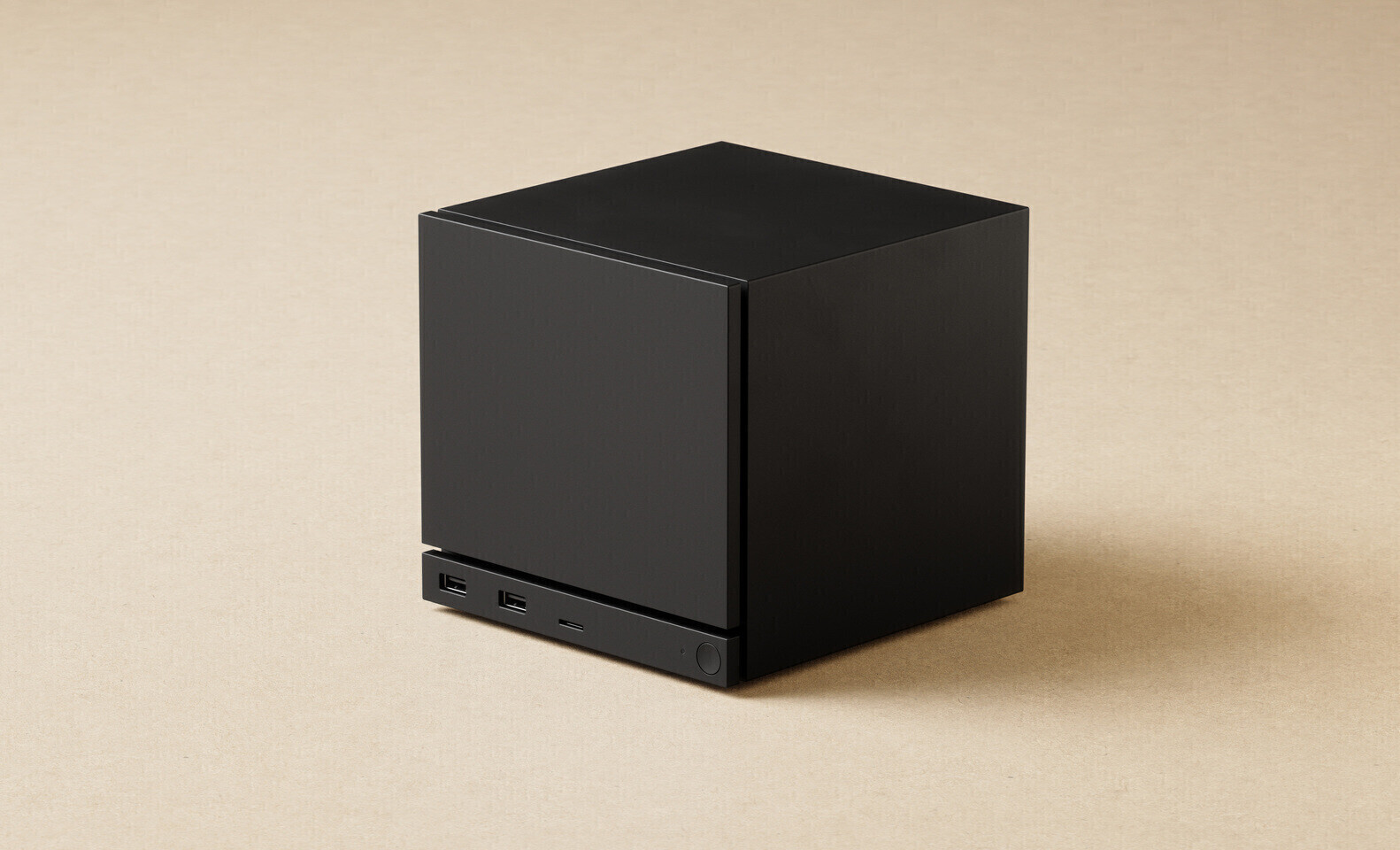
While Sony focuses on its production timeline, competitors like Valve with Steam Machine remain uncertain in their own launch plans. The current RAM market instability is affecting multiple gaming platforms, but Sony’s established supply chain may provide some stability compared to newer entrants.
A minor shift from late 2027 to early 2028 remains possible, allowing Sony to build inventory while monitoring memory prices. However, any significant delay would carry substantial financial risks, including lost priority in TSMC’s production queue and increased development costs. The final decision on the launch window is expected to be made in early 2027.
For developers, this means that upgrade timing will depend on whether Sony sticks to its original schedule or adjusts slightly based on market conditions. The system’s performance and power efficiency will be key factors in determining its success, but the exact impact of RAM costs remains uncertain.