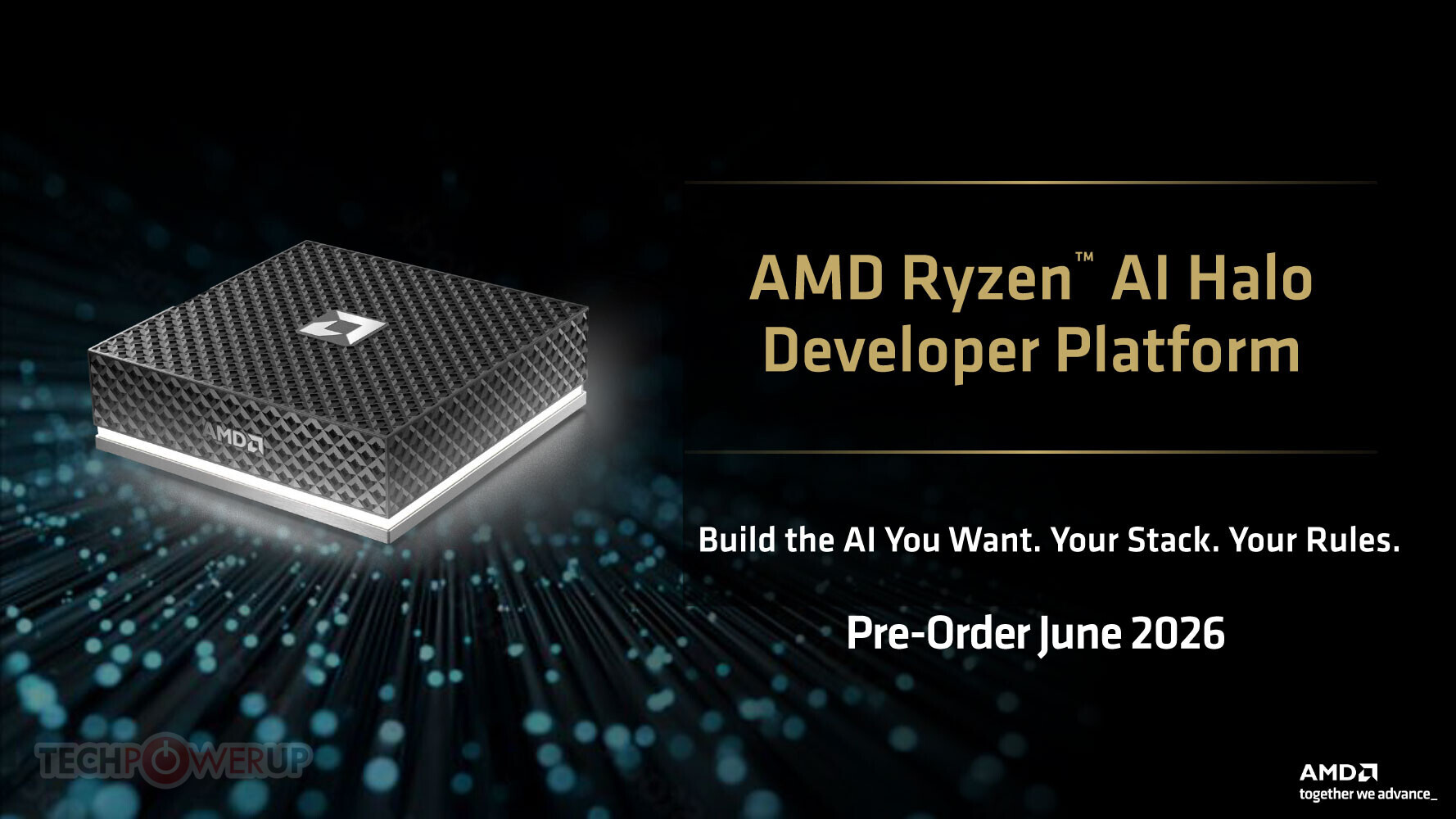
AMD has entered the AI development hardware market with a device that challenges established benchmarks. The Ryzen AI Halo is positioned as a full-stack solution for AI model training, inference, and generative content creation, offering a balance of performance, cost, and versatility that rivals both Apple’s Mac Mini and NVIDIA’s DGX Spark.
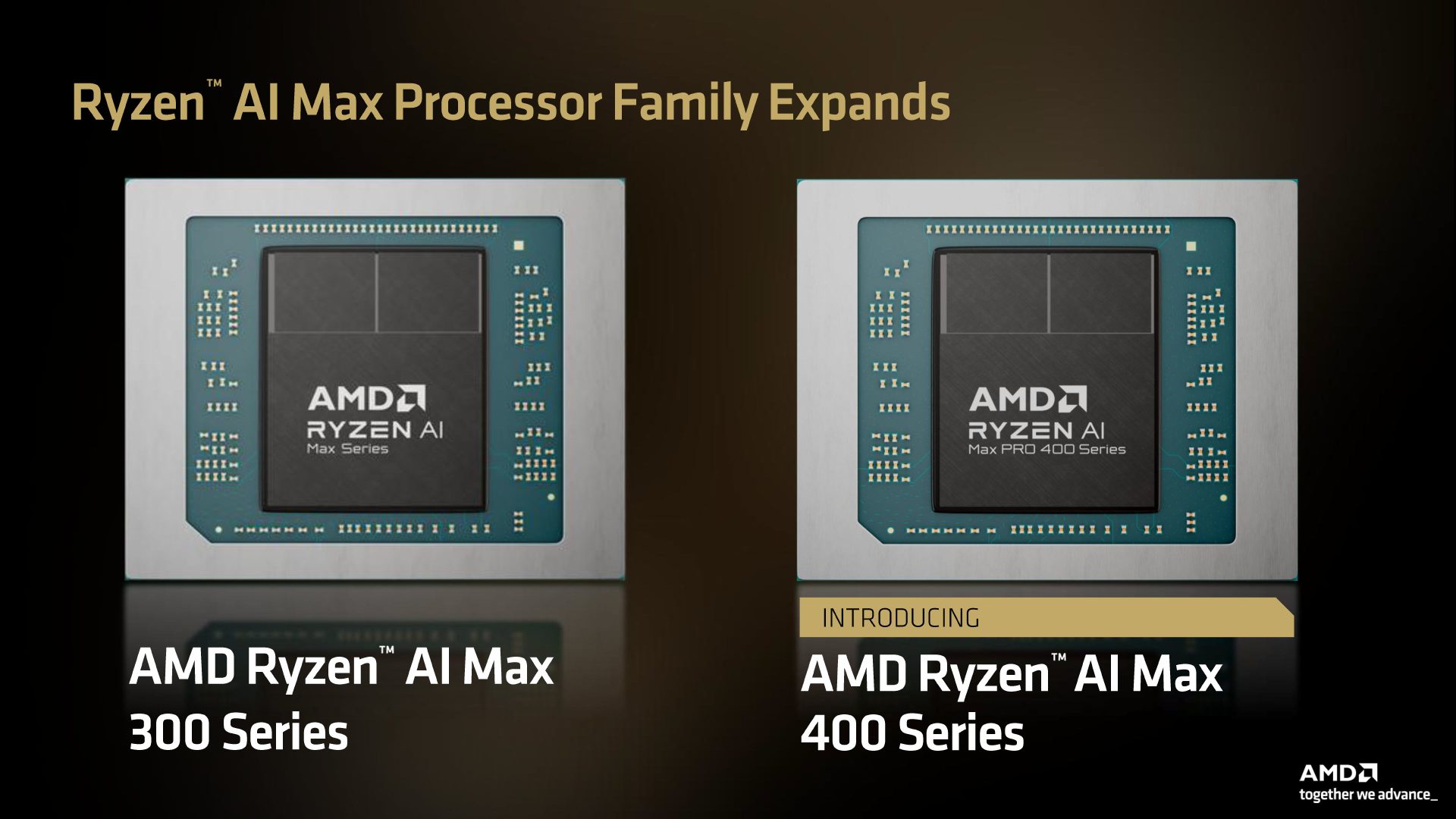
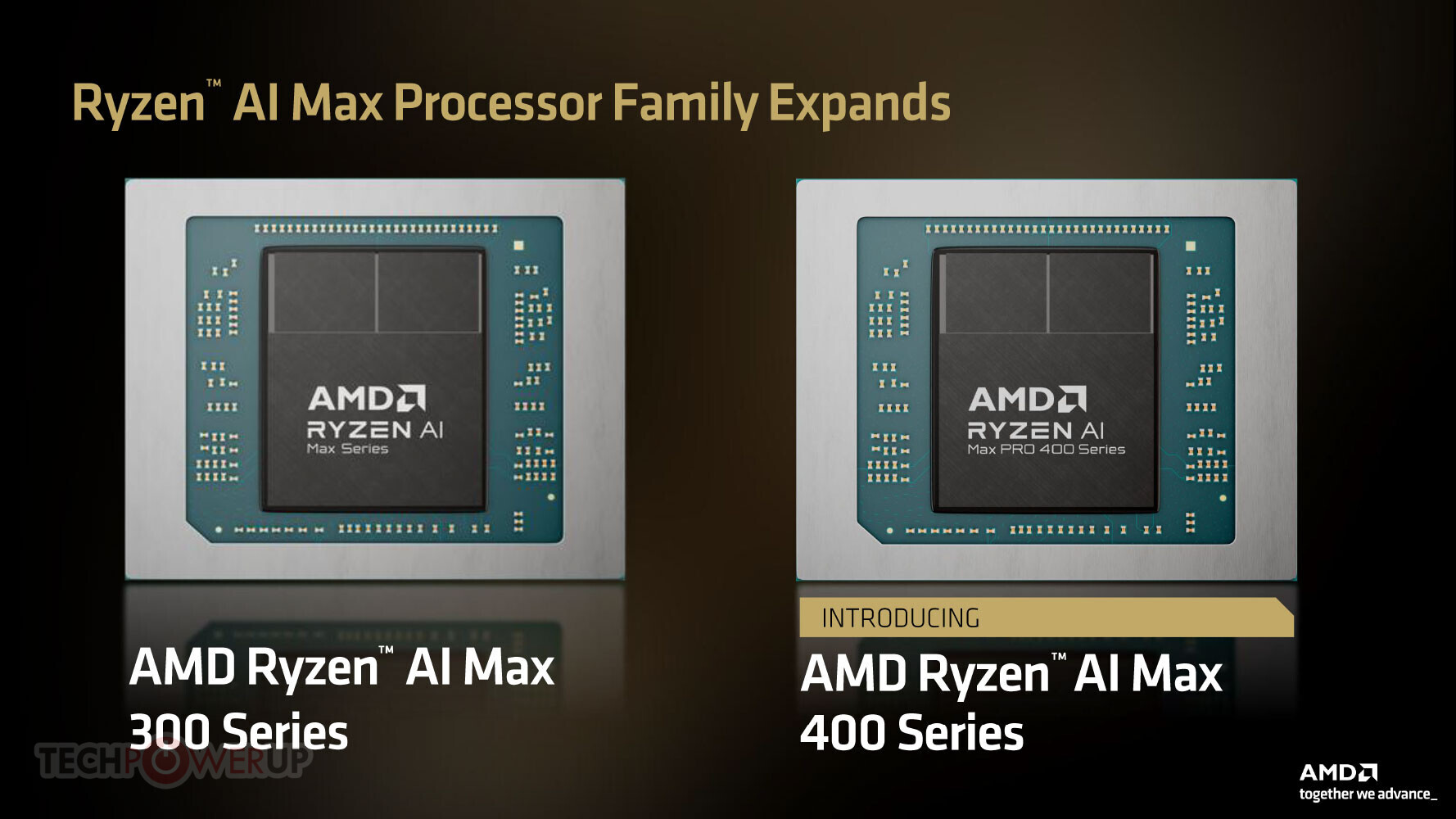
At the core of this device is the Ryzen AI Max+ 395 processor, codenamed Strix Halo. It combines 16 Zen 5 CPU cores with an integrated RDNA 3.5 graphics unit and a 50 TOPS neural processing unit (NPU). This combination is designed to handle large-scale AI workloads efficiently, including models with up to 200 billion parameters when properly quantized.
One of the most significant advantages of the Ryzen AI Halo is its memory configuration. It features a quad-channel, 256-bit LPDDR5x interface paired with 128 GB of DDR5x RAM—a substantial leap from the 64 GB maximum available in the top-tier Mac Mini configuration. This allows for more demanding AI tasks to be performed locally without relying on cloud resources.
Storage is also robust, with a 2 TB NVMe SSD included, providing ample space for both datasets and generated content. The device is priced at $3,999 and is expected to begin pre-orders in June 2026.
Performance and Platform Advantages
The Ryzen AI Halo is not just a hardware upgrade; it represents a shift in how AI development platforms are structured. AMD has focused heavily on software integration, creating a comprehensive ecosystem that supports both Windows and Linux environments. This includes the AMD Ryzen AI Development Center, which streamlines setup and deployment for AI models, reducing the time required to get started compared to competitors.
- AMD AI Playbooks: A collection of pre-built documentation and scripts tailored for specific AI workflows, such as image generation with ComfyUI or Z Image Turbo, LLM training with ROCm, and local development using VS Code. Five playbooks are pre-installed, with additional ones released monthly.
- AMD AI Developer Program: A free initiative offering 100 AMD Developer Cloud credits, a one-month DeepLearning.AI Pro membership, exclusive Discord access to AMD experts, and monthly sweepstakes for hardware prizes.
The platform also includes direct feedback loops with AMD’s internal teams, prioritized support, and a dedicated academy track for continuous learning. These features aim to accelerate development cycles while fostering collaboration within the AI community.
Comparative Performance Insights
AMD claims notable performance leads in key benchmarks when compared to its rivals. Against NVIDIA’s DGX Spark, the Ryzen AI Halo shows a 7% advantage in token processing for the GPT OSS 120B model and a 12% lead with Qwen 3.5 122B. Even in less memory-intensive scenarios, such as running the Qwen 3.6 35B or GLM 4.7 Flash 30B models, AMD reports performance gains of 4% and 14%, respectively.
When measured against a maxed-out Apple Mac Mini with an M4 Pro chip, the Ryzen AI Halo demonstrates significant advantages in generative AI workloads, averaging a 4x performance improvement. However, the Mac Mini’s memory limitations prevent it from running the largest models like GPT OSS 120B or Qwen 3.5 122B entirely.
Beyond raw performance, AMD highlights the cost efficiency of the Ryzen AI Halo. Cloud-based video generation services can cost around $250 per month with limited tokens, while music generation models may run $24 monthly. A $3,999 investment in the Ryzen AI Halo could recover these costs in approximately 16 months, assuming continuous usage and no additional expenses.
Broader Implications for AI Development
The introduction of the Ryzen AI Halo signals a broader trend in AI hardware: the push toward more integrated, cost-effective, and locally deployable solutions. While cloud-based AI development remains dominant, the growing demand for on-premise processing—driven by concerns over data privacy, latency, and cost—is creating opportunities for platforms like this one.
AMD’s x86 architecture is a key differentiator, offering developers familiarity with a widely supported ecosystem while avoiding the proprietary constraints often associated with other AI-focused hardware. This could appeal to enterprises and individual developers alike, especially those working in regulated industries or with large-scale, proprietary datasets that are better suited for local processing.
The device’s 128 GB of LPDDR5x memory is a standout feature, addressing one of the most common bottlenecks in AI development: memory capacity. This allows for more complex models to be trained and inferred locally without the need for distributed systems or cloud scaling, which can introduce additional costs and complexity.
What’s Confirmed and What Remains Uncertain
The Ryzen AI Halo is confirmed to ship with 128 GB of LPDDR5x memory, a 2 TB NVMe SSD, and support for both Windows and Linux environments. Its processor combines Zen 5 CPU cores with RDNA 3.5 graphics and a 50 TOPS NPU, all backed by AMD’s software stack, including AI Playbooks and the Developer Program.
However, some details remain unconfirmed. The exact power consumption of the device has not been disclosed, nor have specific benchmarks for certain AI workloads beyond those mentioned. Additionally, while AMD highlights its performance leads in token processing, independent verification of these claims will be necessary to fully assess their validity.
For IT teams evaluating AI development platforms, the Ryzen AI Halo presents a compelling alternative to existing solutions. Its combination of hardware specifications, software integration, and cost structure could make it an attractive option for organizations looking to reduce reliance on cloud services while maintaining high performance. Whether it will displace established players like NVIDIA or Apple remains to be seen, but its arrival undeniably reshapes the landscape.