NVIDIA's Vera Rubin supercomputing rack is positioned at the forefront of AI performance, but its financial burden has grown significantly, reaching $7.8 million in total cost. This increase is largely driven by the rising prices of HBM4 and LPDDR5X memory modules, which now constitute nearly a quarter of the system's price tag.
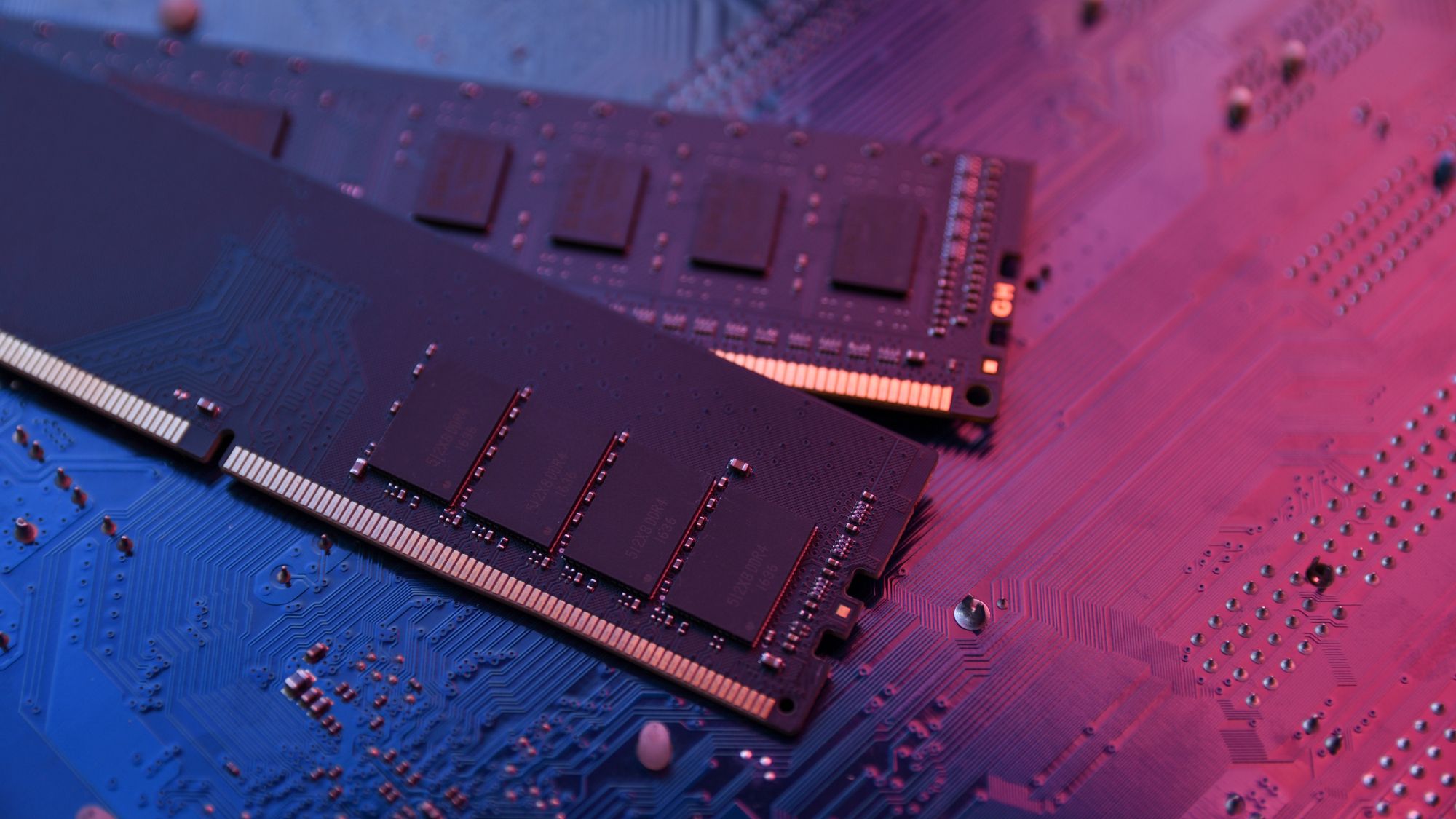
Memory costs have surged by 435% since the initial planning stages for the Vera Rubin rack, reflecting broader supply chain challenges that are reshaping the economics of high-performance AI infrastructure. The HBM4 modules, known for their ultra-low latency and high bandwidth, have seen particularly steep price increases, while LPDDR5X memory, chosen for its power efficiency and speed, has also become more expensive.
The Vera Rubin rack is part of NVIDIA's next-generation AI supercomputing initiative, designed to handle massive data workloads with extreme efficiency. Its architecture leverages advanced memory technologies to minimize latency and maximize throughput, making it a powerful tool for AI training and inference tasks. However, the recent jump in memory prices has introduced a significant financial hurdle for organizations looking to deploy such systems.
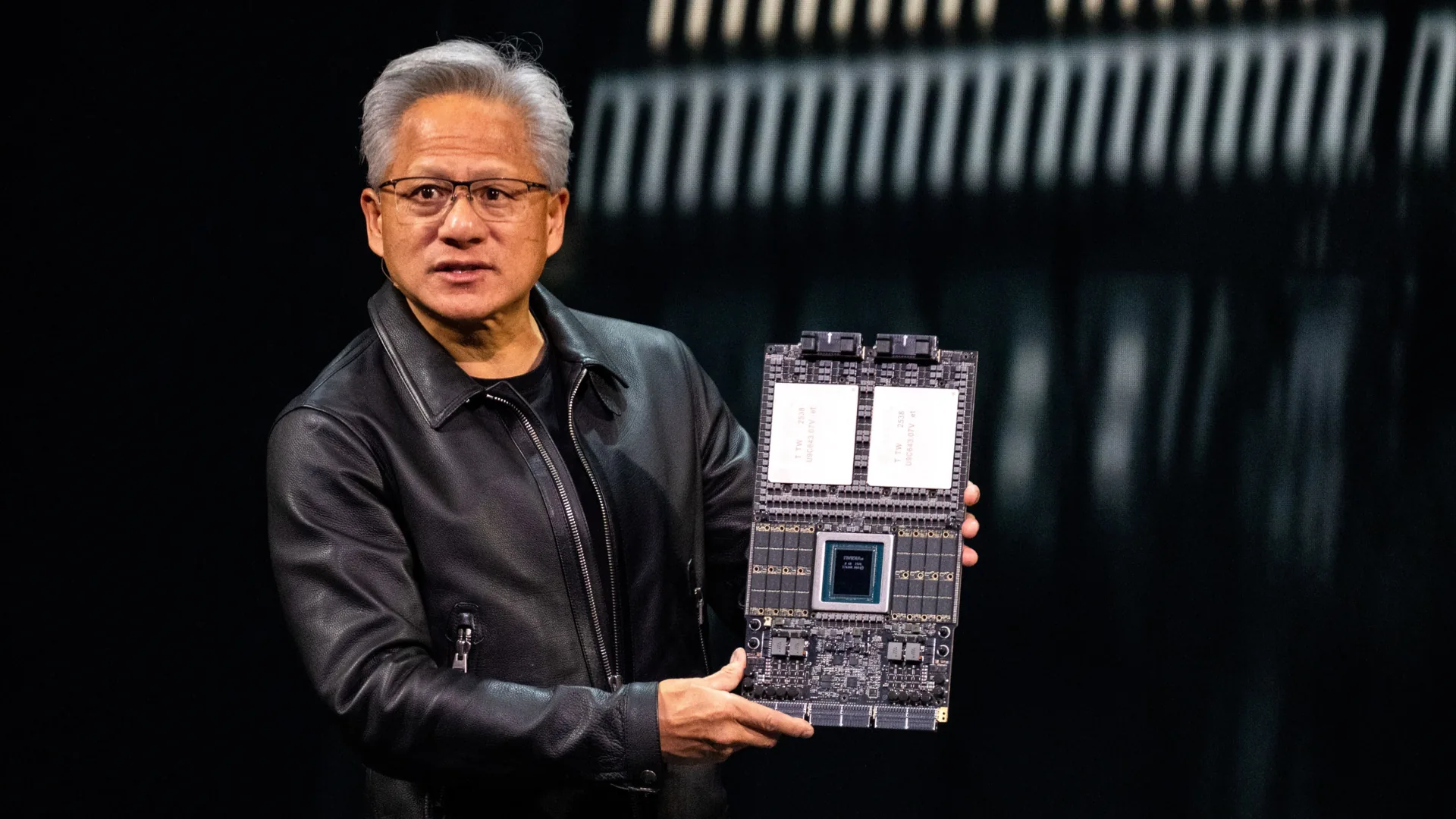
This development underscores a broader trend in the AI hardware market, where memory costs have become a major factor in system pricing. While NVIDIA continues to innovate with its AI platforms, the rising expense of critical components like HBM4 and LPDDR5X may influence deployment decisions for data centers and research institutions.
Despite the cost increase, the Vera Rubin rack remains a key piece of NVIDIA's vision for scalable AI infrastructure. Its ability to process vast amounts of data with minimal heat generation and high energy efficiency sets it apart in the market. However, buyers must now factor in these elevated memory costs when evaluating their AI investments.
For organizations planning large-scale AI deployments, the Vera Rubin rack offers a powerful but costly solution. The exact impact on availability and adoption remains to be seen, but one thing is clear: memory prices will continue to play a pivotal role in shaping the future of high-performance computing.