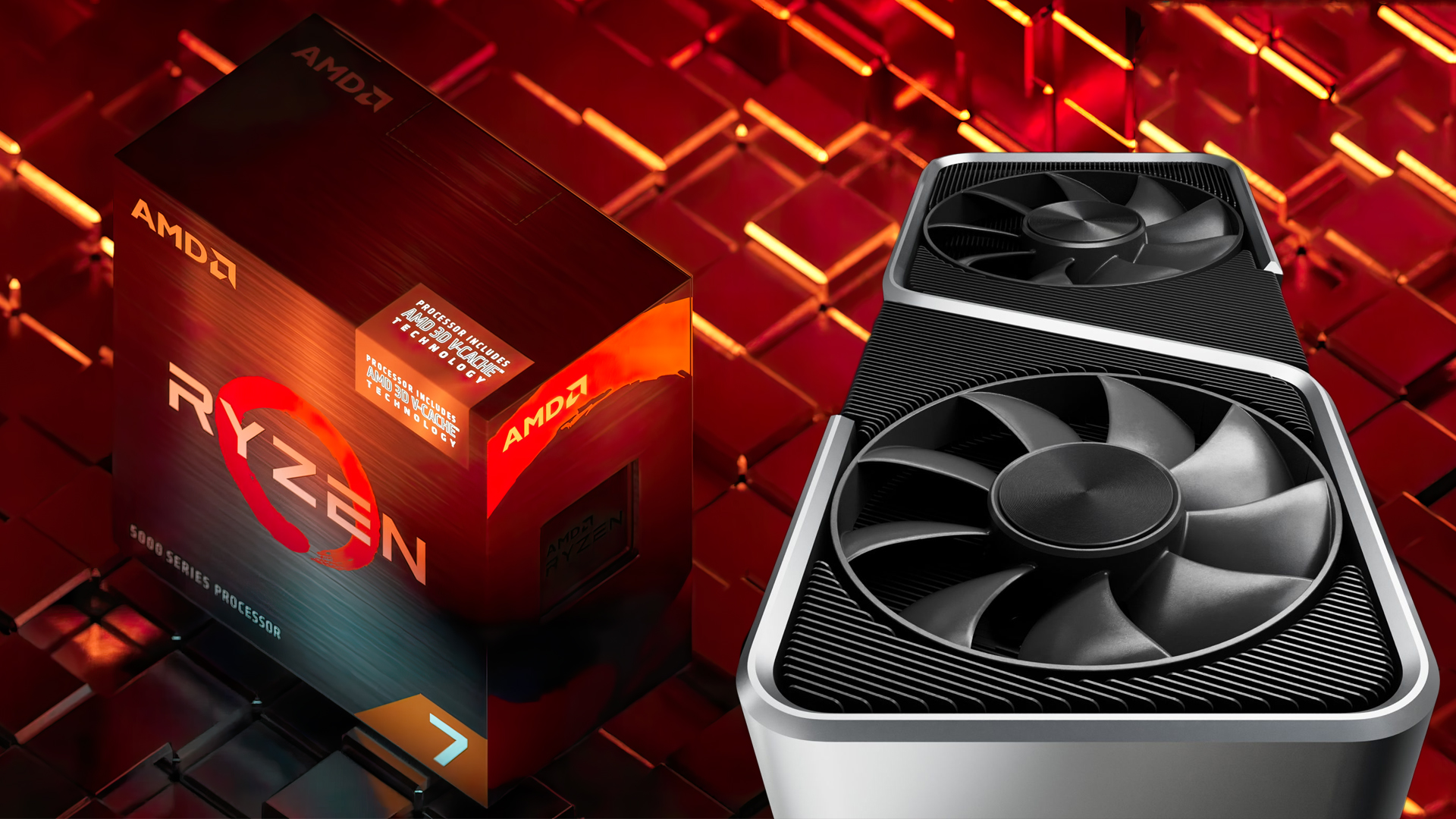
Nvidia's production strategy may be undergoing a notable shift, with indications that the company could focus more heavily on GPUs equipped with just 8GB of VRAM. This potential pivot comes as the tech giant reportedly considers sidelining models like the RTX 5060 Ti 16GB in favor of its lesser-equipped sibling, signaling a possible rethinking of how much VRAM mainstream users truly need.
The rumor, which has surfaced ahead of Nvidia's next major GPU launch, suggests that the company is evaluating whether 8GB remains viable for modern gaming and content creation workloads. If true, this would mark a significant departure from recent trends where even mid-range GPUs often came with at least 12GB of VRAM. The shift could also impact how other manufacturers approach memory configurations in their own products.
Key details emerging from the rumor include
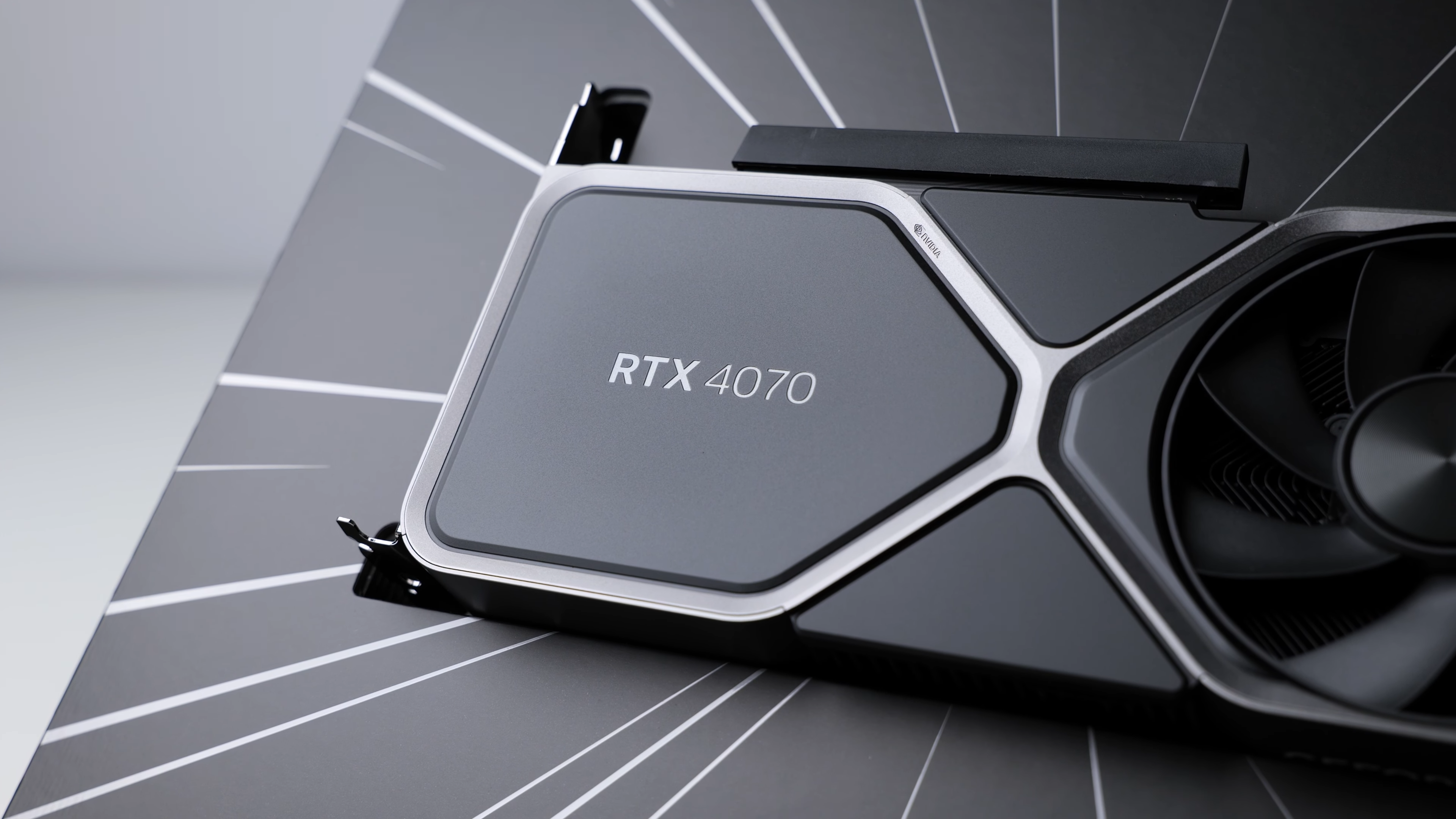
- The RTX 5060 Ti 16GB may not proceed to production, effectively leaving it as a canceled or deprioritized model.
- Nvidia could instead double down on an 8GB variant of the same architecture, potentially targeting budget-conscious gamers and creators who prioritize price over raw performance.
- The move would come at a time when VRAM prices have stabilized but remain higher than in previous generations, adding pressure to justify even modest increases like 16GB.
If Nvidia does proceed with this strategy, it would force the industry to confront whether 8GB is truly enough for modern workloads. Games and applications are increasingly pushing VRAM requirements, but some titles—particularly those optimized for performance—may still operate within an 8GB ceiling without significant quality degradation. The company's decision could also influence how competitors position their own products, potentially leading to a broader market shift toward more memory-efficient designs.
For now, the rumor remains unconfirmed, but it underscores the ongoing tension between performance demands and cost constraints in the GPU space. Whether 8GB will become the new baseline or if Nvidia will ultimately reconsider remains to be seen, but the conversation around VRAM is far from settled.
A quick take: This potential shift reflects a broader industry trend where companies are scrutinizing the real-world benefits of increased VRAM. While 16GB has become common in recent years, the rumored move suggests that Nvidia may be testing whether even less can meet current needs—at least for now.