NVIDIA’s GPU Pricing Control Is Over—Here’s What Happens Next
NVIDIA’s Open Price Program, once a cornerstone for stabilizing third-party GPU pricing, has quietly dissolved, unleashing a surge in market volatility. The program, which ensured add-in card (AIC) partners could list GPUs near manufacturer-suggested retail prices, is no longer in effect. With GDDR7 memory costs spiraling and supply chains under strain, the company is now passing those increases directly to partners—meaning prices for cards like the RTX 5070 Ti and RTX 5080 could soon stray far from their listed MSRPs.
The Program That Kept Prices in Check Is Gone
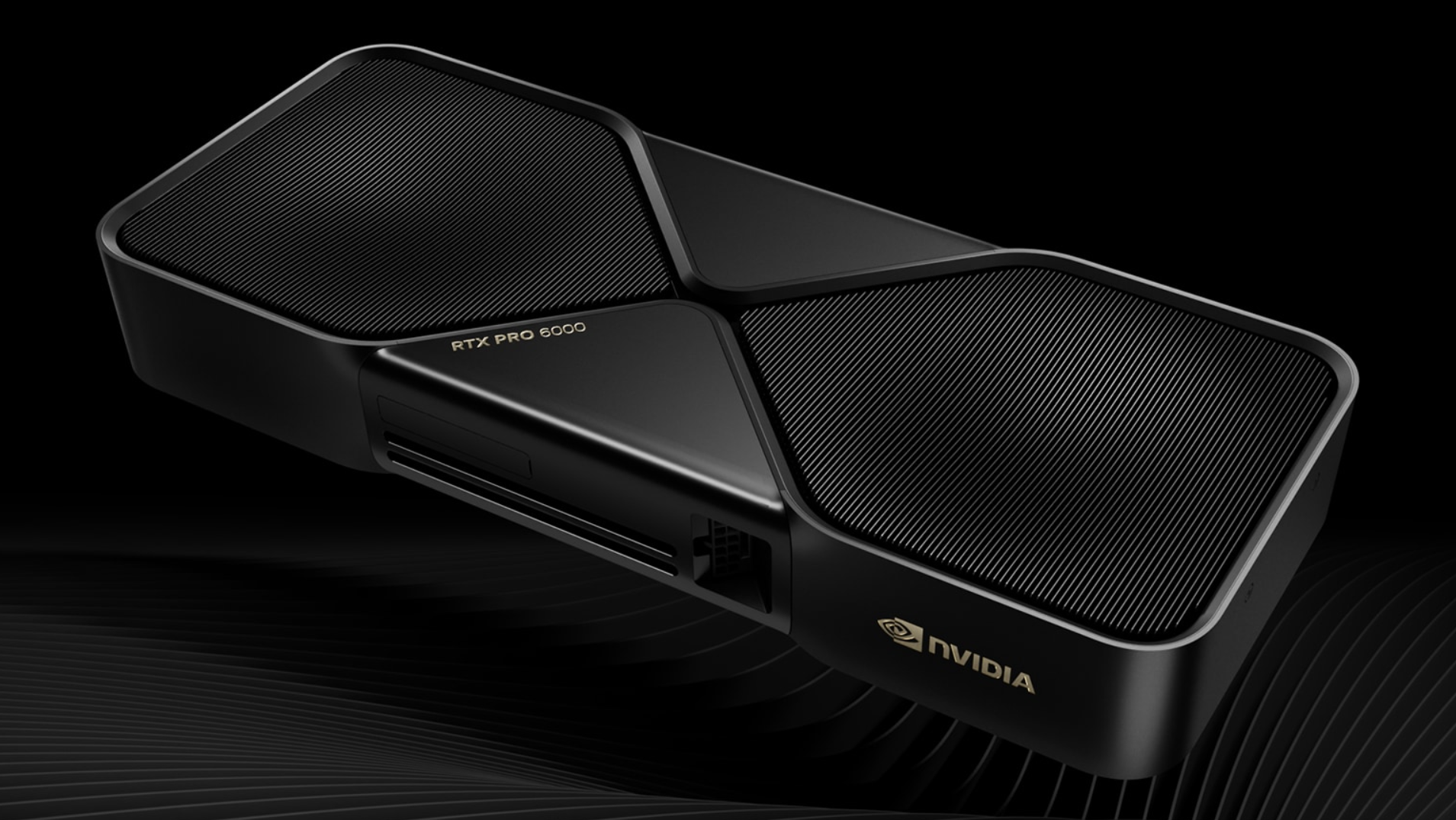
For years, NVIDIA’s Open Price Program acted as a buffer, allowing AIC manufacturers to purchase GPU dies and GDDR7 memory at fixed rates while assembling their own designs. This system helped maintain consistency in pricing, making third-party cards more predictable for consumers. But with the program’s demise, those safeguards are disappearing. The shift comes as GDDR7 memory—critical for high-end GPUs—faces severe shortages, driving up costs. Unlike AIC partners, NVIDIA’s own reference designs still receive GDDR7 directly from the manufacturer, insulating them from some of the worst price swings.
The immediate impact is a return to the wild pricing fluctuations seen in earlier GPU generations, where third-party vendors could mark up cards by hundreds of dollars based on supply and demand. Early reports suggest some AIC partners are already adjusting prices upward, with no clear ceiling in sight.
RTX 5070 Ti’s Future Uncertain as RTX 5080 Takes Priority
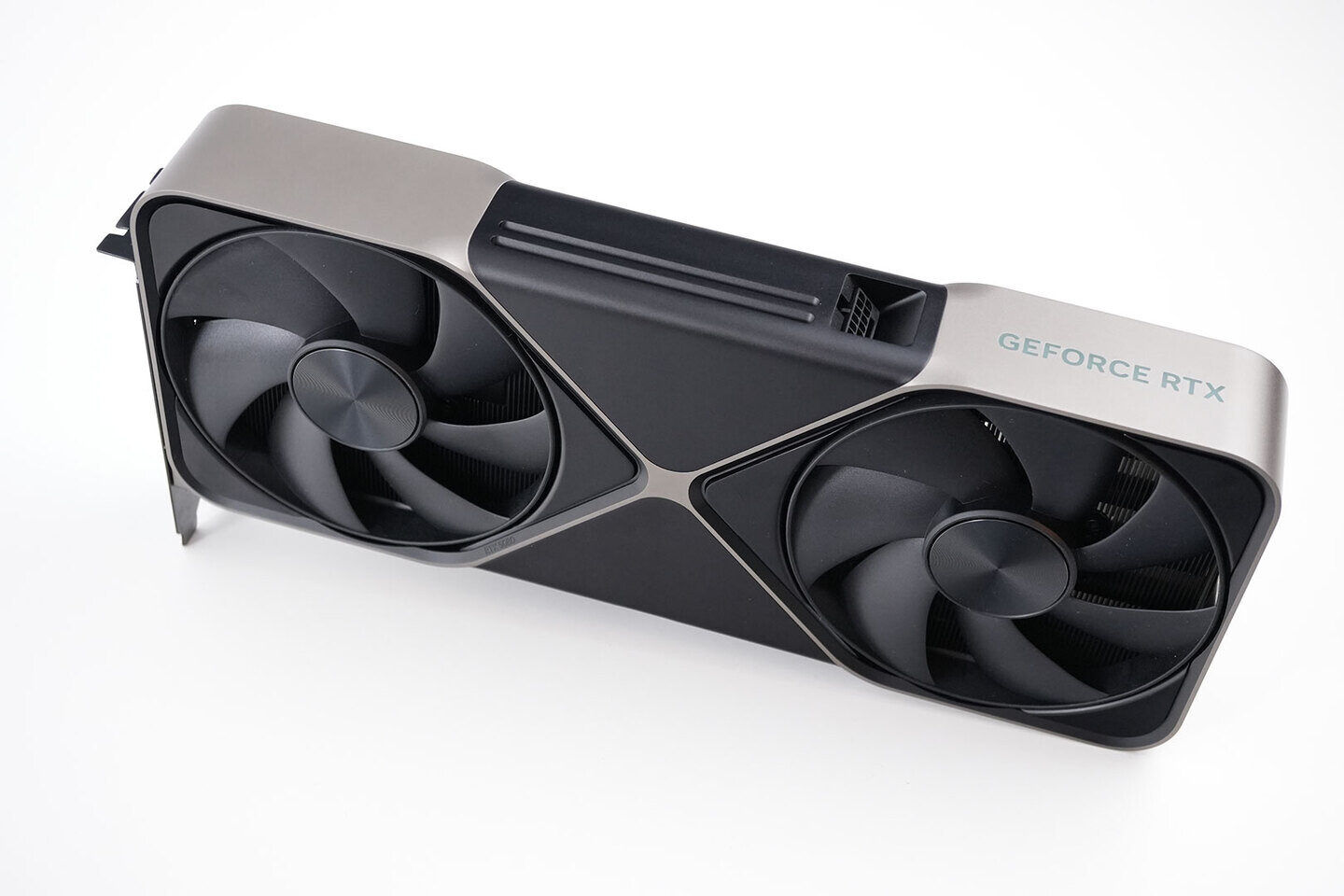
Beyond pricing, NVIDIA’s internal production strategies are also reshaping the GPU landscape. Both the RTX 5070 Ti and RTX 5080 share the same GB203 die and 16GB of GDDR7 memory, but the company is now prioritizing the higher-priced RTX 5080. This means chips that fully meet the RTX 5080’s performance benchmarks will be allocated to that model, while slightly underperforming variants may be repurposed for the RTX 5070 Ti—a practice known as binning.
While the RTX 5070 Ti hasn’t been discontinued, its production volume is expected to shrink, making it harder to find at retail. The RTX 5080, with its $250 premium over the 5070 Ti, aligns better with NVIDIA’s focus on higher-margin SKUs. This shift could leave buyers of mid-range GPUs in a tighter market, especially if demand for the 5080 remains strong.
Who Gets Hit Hardest?
- Gamers on a Budget: The RTX 5070 Ti’s reduced production could lead to higher prices or longer wait times, making it a less viable option for 1440p gaming.
- Enthusiasts and Creators: The RTX 5080’s dominance in production means better availability for those needing raw performance, but at a steep cost.
- Third-Party Vendors: Without the Open Price Program, they now face unchecked memory costs, which may force them to raise prices or cut features to maintain margins.
The collapse of the Open Price Program also raises questions about NVIDIA’s long-term strategy. With AI-driven demand pushing GPU prices to unprecedented levels—leaks suggesting a potential $5,000 RTX 5090 by 2026—consumers may soon face a market where only the most powerful (and expensive) GPUs remain readily available.
What’s Next for GPU Pricing?
If current trends hold, the next few months could see a scramble among AIC partners to adjust to the new pricing reality. Some may introduce limited-edition or custom-cooled variants to justify higher costs, while others might drop support for lower-margin SKUs entirely. For buyers, this means keeping a close eye on real-time pricing—especially for models like the RTX 5070 Ti, which could become a premium item overnight.
One thing is certain: the era of predictable GPU pricing is over. The question now is whether NVIDIA will intervene again—or if the market has permanently shifted toward chaos.
Key Specs: RTX 50 Series GPUs at a Glance
- Memory: GDDR7 (used across RTX 5070 Ti, RTX 5080, and RTX 5090)
- Die Family: GB203 (shared by RTX 5070 Ti and RTX 5080)
- MSRP Difference: RTX 5080 is $250 more expensive than the RTX 5070 Ti
- Production Focus: RTX 5080 prioritized; RTX 5070 Ti production reduced
- Supply Chain Impact: GDDR7 shortages driving up costs for third-party manufacturers
- Future Outlook: Potential RTX 50-series SUPER GPUs teased for CES 2026
The end of the Open Price Program doesn’t just affect prices—it reshapes how GPUs are manufactured, distributed, and sold. For now, buyers should brace for volatility, especially in the mid-range segment where options like the RTX 5070 Ti may become scarce or costly.