NVIDIA has rolled out a hotfix driver to address several persistent display-related bugs, marking a significant step toward stabilizing its latest GPU ecosystem. The update, designed to patch glaring inconsistencies in rendering and monitor compatibility, is particularly relevant for users relying on the RTX 50-series GPUs, which have seen increased adoption due to rising AI industry demand.
The hotfix driver, version 610.52, targets a range of issues that have plagued Ada-based GPUs, including frame-pacing problems on certain monitors with G-SYNC enabled. These problems often manifest as stuttering or uneven frame delivery, which can be particularly disruptive in fast-paced gaming scenarios. The update also resolves an EDID reading issue that caused some monitors to default to a 'NVIDIA NV-Failsafe' mode, effectively rendering them unusable without manual intervention.
One of the more notable improvements is enhanced stability in multi-monitor setups when using V-Sync combined with DLSS Frame Generation. This combination has been known to introduce instability, particularly in configurations involving multiple high-refresh-rate displays. The hotfix also addresses a persistent issue where monitors would fail to wake from sleep mode, forcing users to manually restart their displays—a minor but frustrating inconvenience for those who rely on multi-monitor workflows.
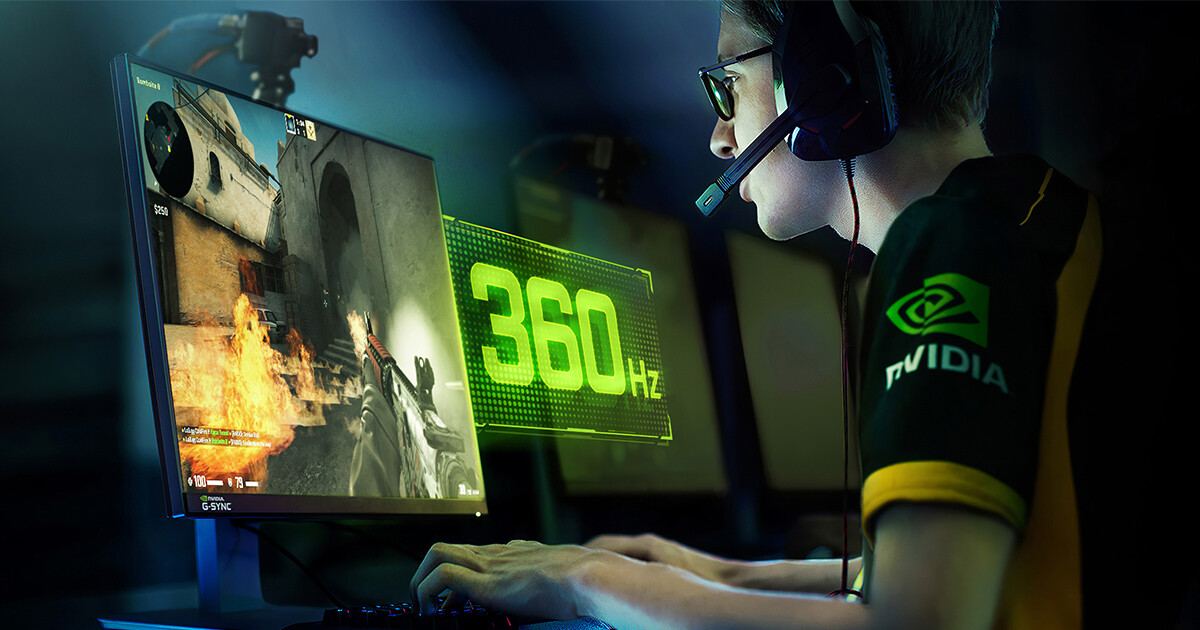
Gaming stability has been a focal point of this update, with specific fixes targeting issues in 'World of Warcraft.' Players who encountered crashes or rendering artifacts when launching the game with Smooth Motion enabled will see improvements. Additionally, the driver patches jittering or ghosting effects in DirectX 11 games, which were previously attributed to Smooth Motion functionality. These fixes reflect a broader effort to refine the user experience, particularly for titles that push the boundaries of graphical fidelity.
The hotfix is built on the foundation of NVIDIA's latest Game Ready Driver 610.47, indicating that these issues were not isolated but rather part of a wider pattern of instability. The update also introduces general stability improvements related to system memory allocation, which could have broader implications for users running demanding workloads or those integrating new hardware into their setups.
For gamers and content creators, this hotfix represents a critical step in mitigating platform lock-in risks associated with NVIDIA's ecosystem. While proprietary drivers often offer performance advantages, they can also introduce dependencies that complicate system stability. By addressing these issues proactively, NVIDIA is reinforcing its commitment to delivering a seamless experience across its hardware lineup, from the RTX 5060 to the high-end RTX 5090.
Looking ahead, the focus will likely shift toward longer-term optimizations, particularly as the industry transitions toward more advanced architectures. For now, users are advised to update their drivers if they have encountered any of the issues addressed in this hotfix, ensuring a smoother and more stable experience across their multi-monitor setups.