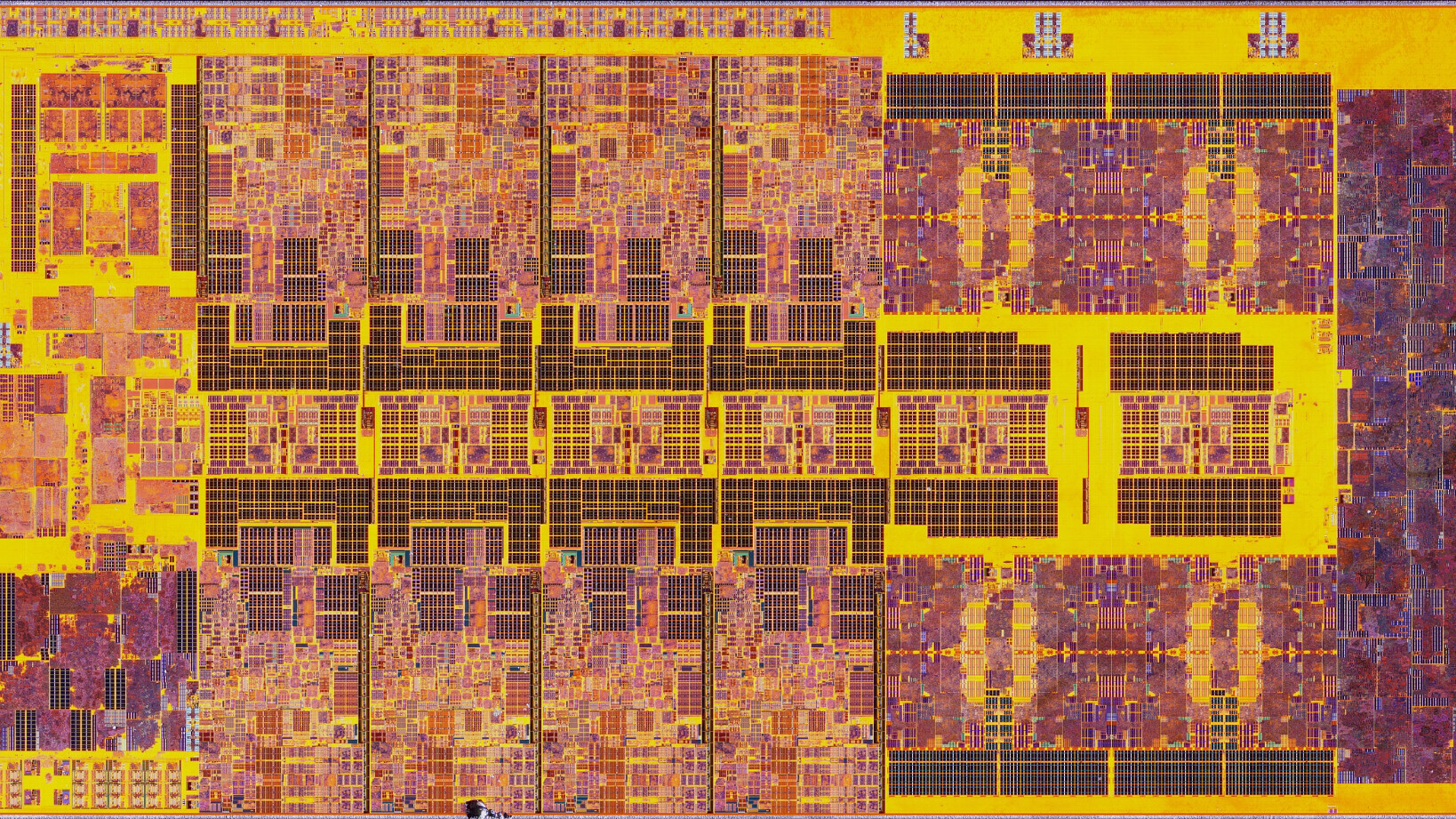
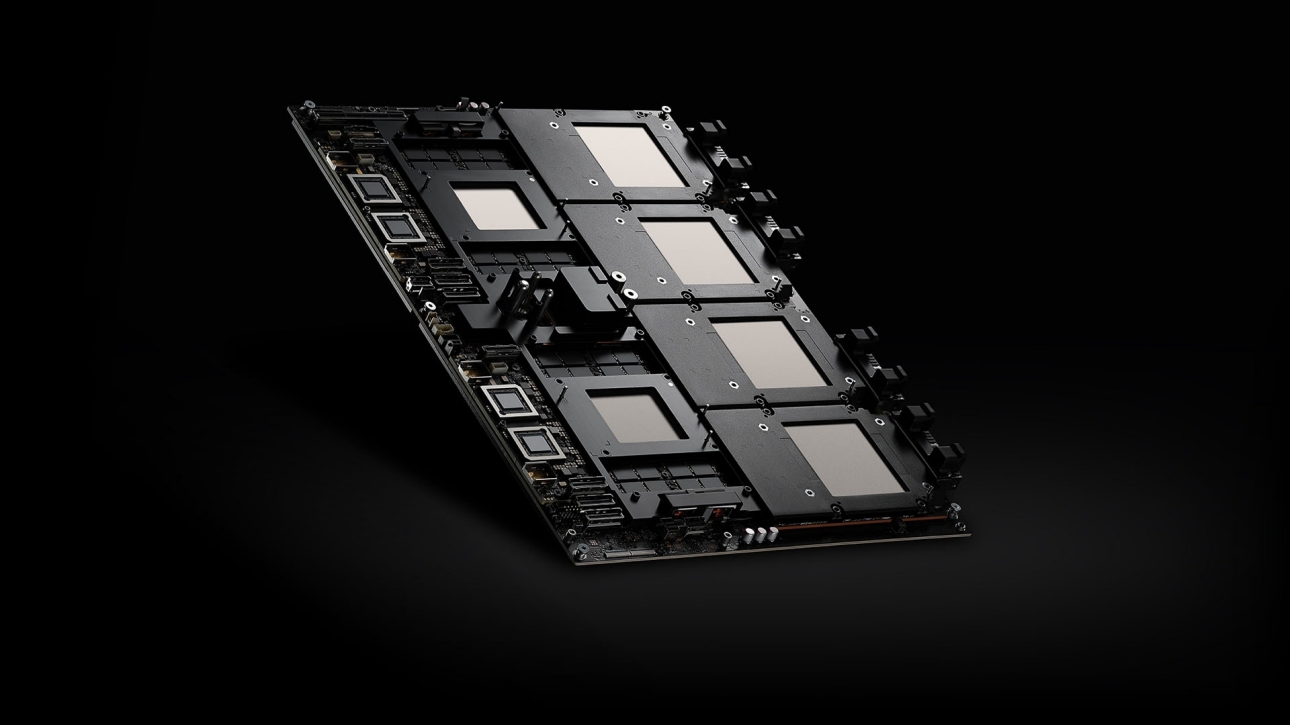
Intel’s Arctic Sound GPU, once thought buried by strategic shifts in 2021, has reappeared with significant revisions. The latest iteration now features dual-tile design and quad-HBM2E memory modules, suggesting a renewed focus on high-performance discrete graphics.
The original Arctic Sound architecture was designed to compete in the mid-range GPU market, but Intel’s pivot toward integrated graphics and collaboration with AMD delayed its development. This resurgence introduces a more aggressive approach, combining two tile-based dies with 16GB of HBM2E memory—double the capacity of earlier proposals.
Key specs for the updated Arctic Sound include
- Architecture: Xe-HP (High-Performance) with dual-tile configuration
- Memory: 16GB quad-HBM2E, 256-bit bus, 3.2 GT/s data rate
- Compute Units: Up to 80 Xe-cores (40 per tile)
- Process Node: Intel 7 (10nm Enhanced Super FinFET)
- Power Target: 250W TDP for the dual-tile variant
The dual-tile design is a notable departure from earlier single-tile plans, addressing concerns about thermal throttling and performance scaling. However, questions remain about driver maturity, software optimization, and whether this will compete with established discrete GPUs or serve as a bridge solution for Intel’s future integrated graphics roadmap.
While no official timeline has been confirmed, the reemergence of Arctic Sound signals a potential shift in Intel’s discrete GPU strategy. Buyers should watch for further announcements on pricing, availability, and whether this architecture will be paired with Intel’s upcoming CPU releases or remain a standalone product.