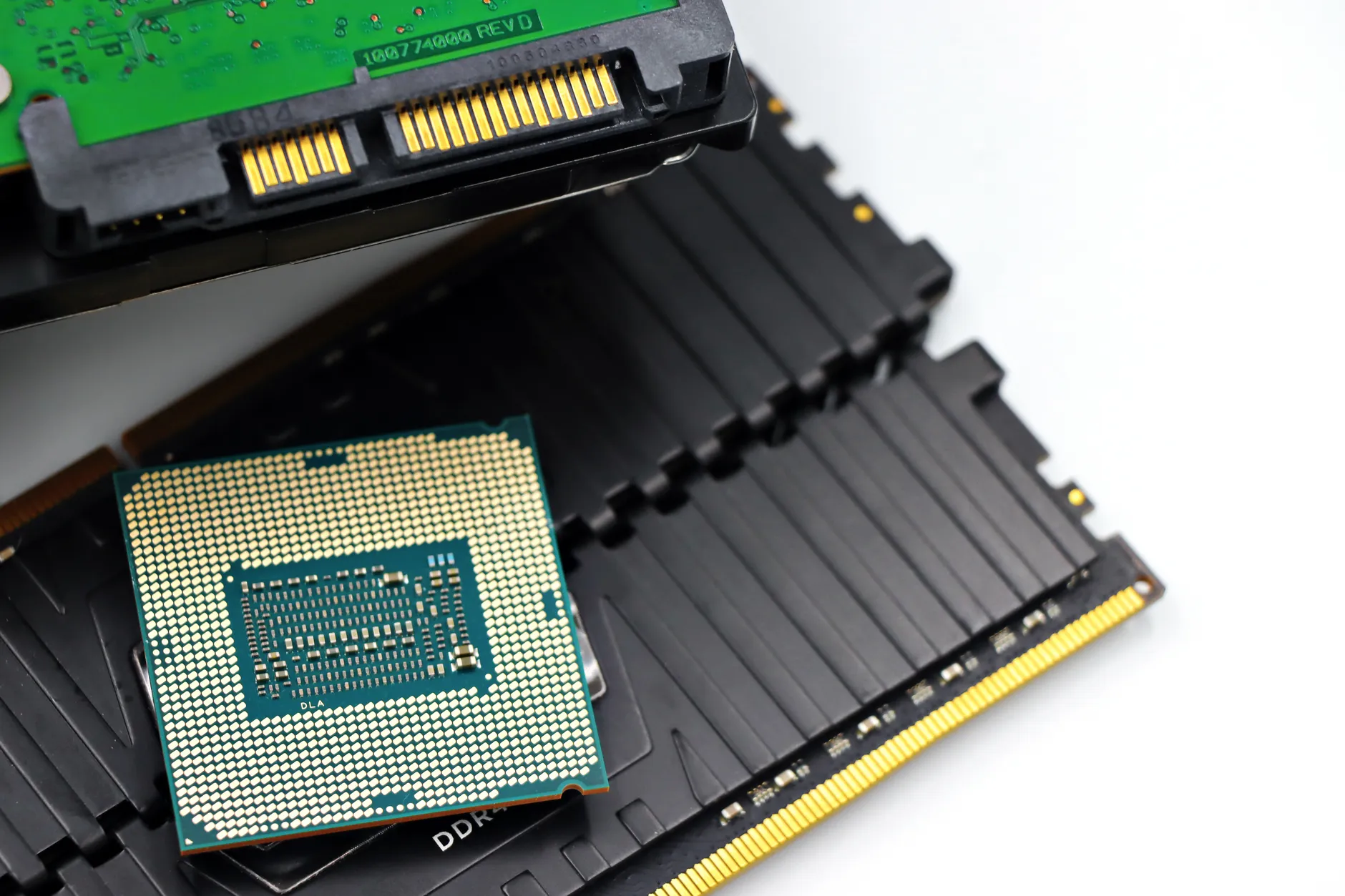
Intel's next generation of desktop processors, codenamed 'Raptor Lake Next,' is taking shape for a 2027 launch. These chips will continue to use the established Socket LGA1700, ensuring backward compatibility with current motherboards while addressing a critical market need: DDR4 memory support.
The move comes as DDR5 prices remain elevated, leaving many PC builders and system integrators without cost-effective options. Unlike Intel's newer Core Ultra 'Arrow Lake' processors, which are DDR5-only, the 'Raptor Lake Next' line will retain DDR4 compatibility, catering to a broader range of users and use cases.
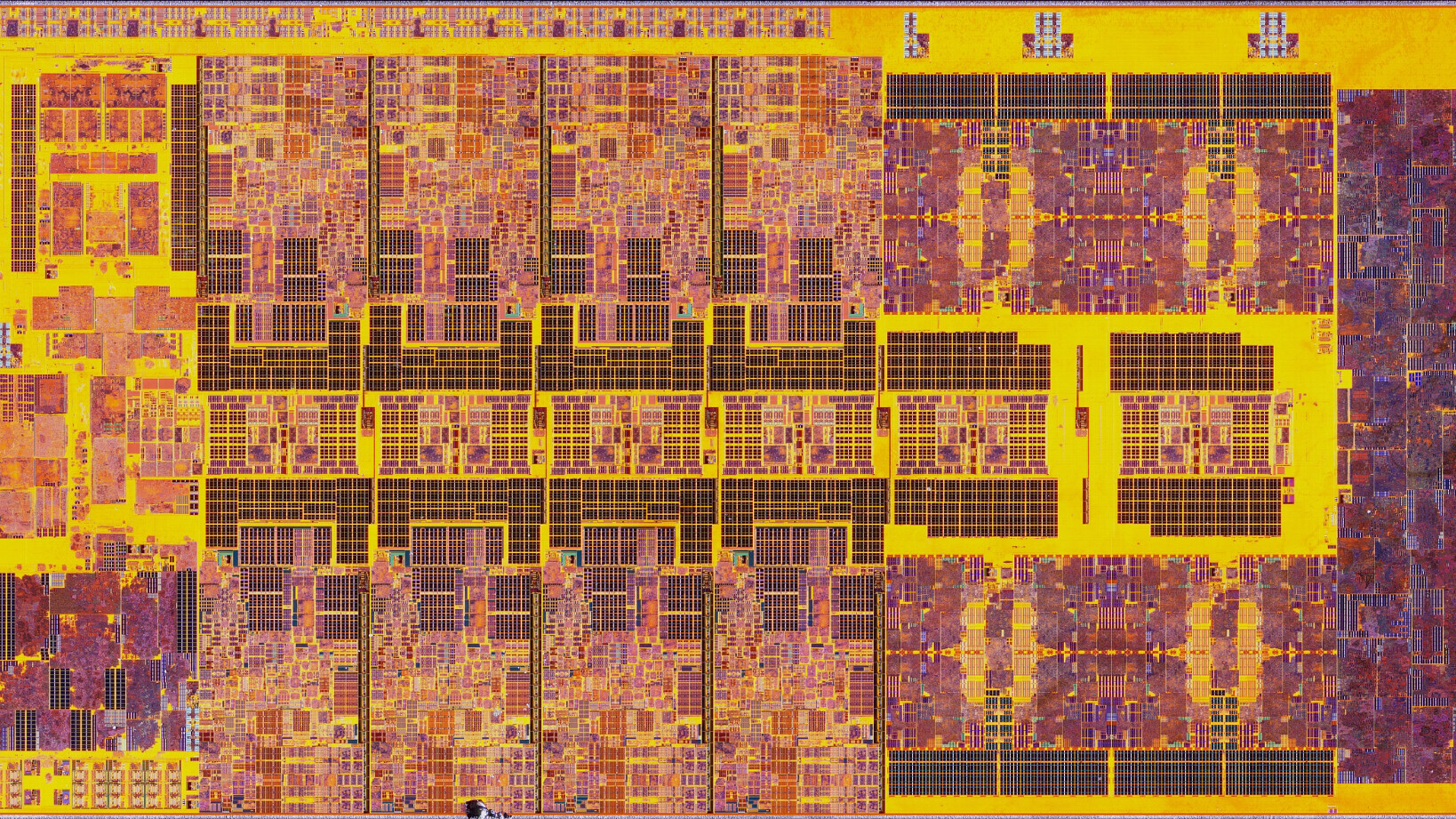
Key specs for these processors have begun to surface, suggesting a focus on balancing performance and efficiency. The top-tier model is expected to feature an 8P+8E core configuration, leveraging the existing 'Raptor Lake-S' silicon but with refined cache and power optimizations. This approach allows Intel to maintain strong performance while avoiding overlap with its upcoming Core Ultra 'Nova Lake-S' series, which will target higher-end markets.
- Socket: LGA1700
- Memory Support: DDR4 and DDR5 (DDR4 compatibility is a key differentiator)
- Core Configuration: Up to 8P+8E (Performance + Efficiency cores)
- Cache: L3 cache sizes are expected to vary, with the top model likely featuring larger caches than previous generations
- Model Numbering: Potential shift to a simplified 'Core Series 3' numbering scheme without the 'Ultra' branding, indicating no integrated NPU (Neural Processing Unit)
The 'Raptor Lake Next' processors are positioned to fill a gap in Intel's roadmap, offering a cost-effective alternative for users who cannot yet transition to DDR5 or those building systems with specific memory requirements. This includes workstations, content creation rigs, and gaming PCs where DDR4 remains the standard due to price sensitivity.
While exact pricing has not been confirmed, industry reports suggest these processors will occupy entry-through-performance segments, competing with mid-range offerings from AMD and other manufacturers. The launch timing is still fluid, but sources indicate a late-2026 or early-2027 window, aligning with Intel's broader strategy to phase in its next-generation platforms without leaving users stranded on older technologies.
The introduction of 'Raptor Lake Next' underscores Intel's commitment to maintaining platform longevity while navigating the complexities of memory pricing and market demand. For developers and system builders, this line represents a pragmatic solution that extends the lifespan of LGA1700 motherboards while preparing for the eventual transition to DDR5.