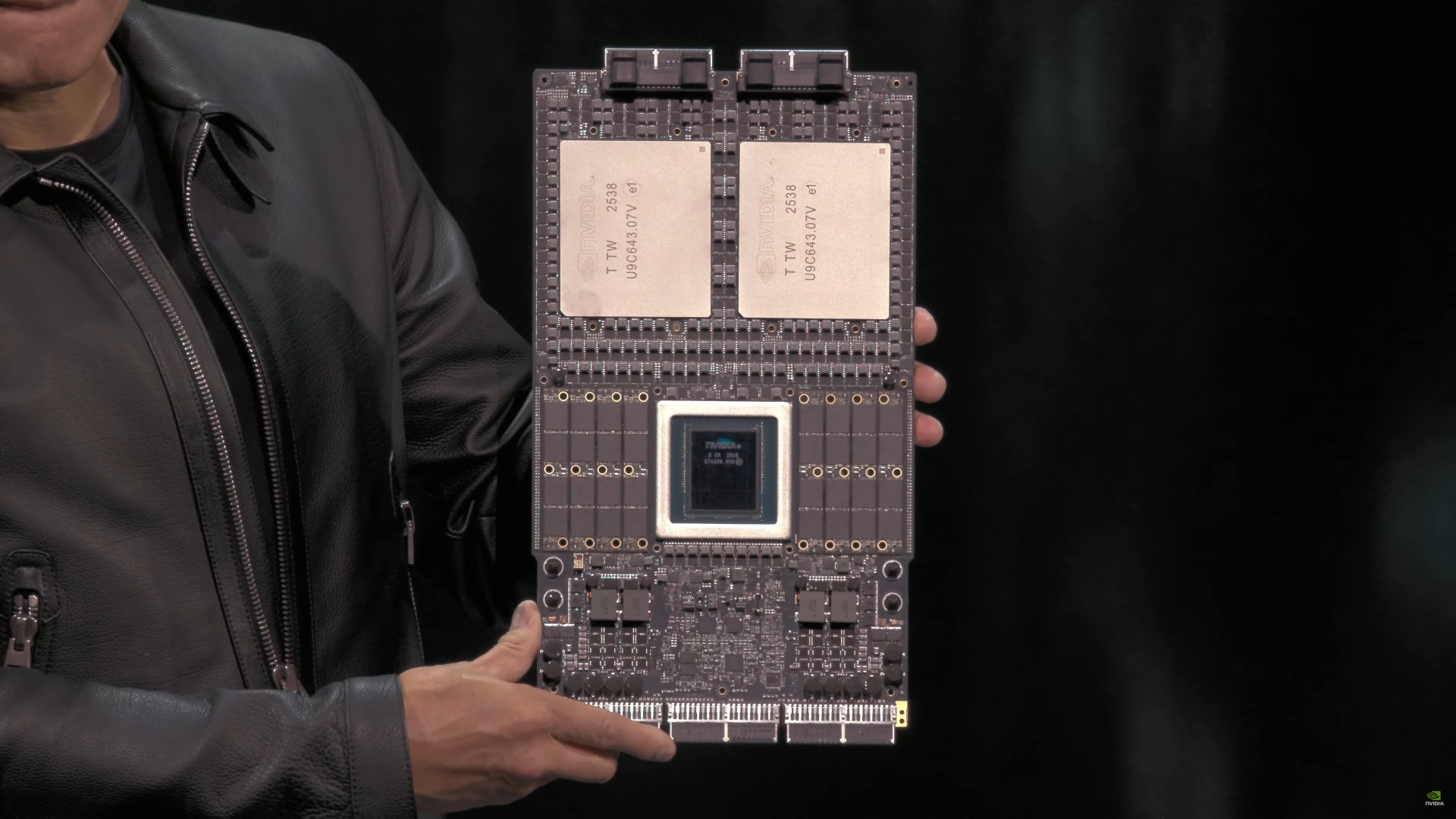
The RTX 8000 has become a benchmark in its own right, not just for raw power but for how it handles modern workloads—especially those that rely on AI acceleration. Its price, now edging toward $10,000, reflects the premium placed on professional-grade performance, but whether that translates to value is another question entirely.
- Chip: Ada Lovelace architecture, 82-billion transistors
- CUDA cores: 16,384 (3rd-gen Tensor cores for AI)
- VRAM: 48 GB GDDR6X, 760 GB/s memory bandwidth
- Display outputs: 4x DisplayPort 2.1 (120 Hz), 1x HDMI 2.1
- Power: 750W TDP, 8-pin + 12-pin power connectors
- Connectivity: PCIe 4.0 x16, NVLink support
The RTX 8000 isn’t just about brute force; it’s designed for workloads that demand both raw processing and AI efficiency. The third-generation Tensor cores, for example, are optimized for real-time rendering and large-language-model inference—a critical shift from traditional GPU computing. That said, the jump to 48 GB of VRAM is more than just a capacity increase; it’s a response to the memory demands of modern AI frameworks.
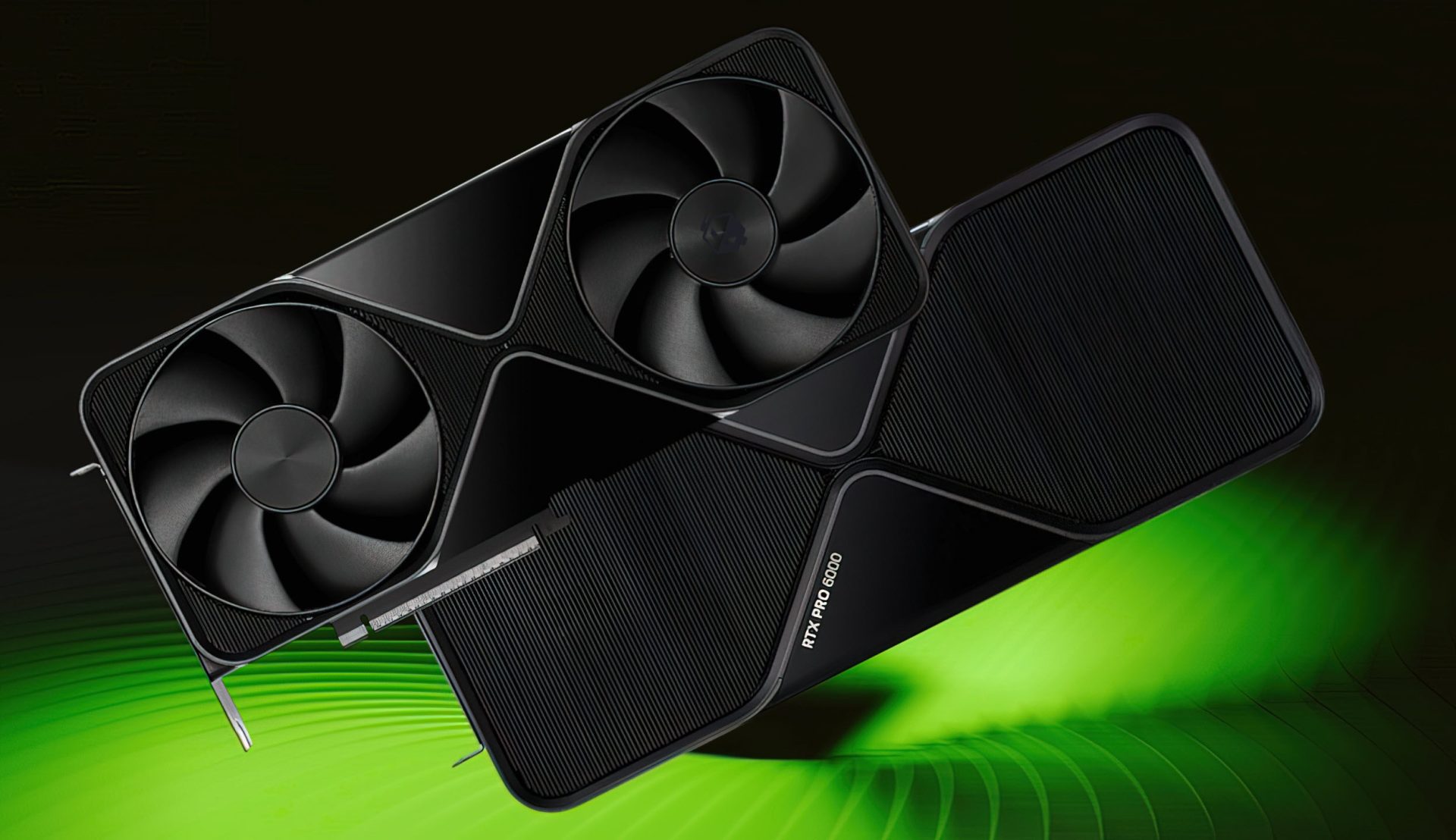
But here’s where the conversation gets complicated: platform lock-in. The RTX 8000 isn’t just another GPU—it’s part of a broader ecosystem that ties into NVIDIA’s software stack, from CUDA development tools to proprietary libraries for AI training. For professionals already embedded in this ecosystem, the transition is seamless. For those on AMD or Intel platforms, the cost isn’t just monetary; it’s the cost of compatibility. The question isn’t whether the RTX 8000 delivers performance, but whether the ecosystem around it makes it a viable choice for non-NVIDIA users.
Pricing remains a moving target, with some channels already listing it above $10,000—a threshold that raises eyebrows even among seasoned workstation buyers. The RTX 8000 is undeniably powerful, but its price reflects more than just hardware; it’s a statement on the value of AI-optimized workflows in professional environments.
For now, the RTX 8000 stands as a testament to where GPU computing is headed: toward integration with AI, toward higher memory capacities, and toward an ecosystem that rewards those who adopt its tools. Whether that journey is worth $10,000 remains a question for buyers to answer on their own.