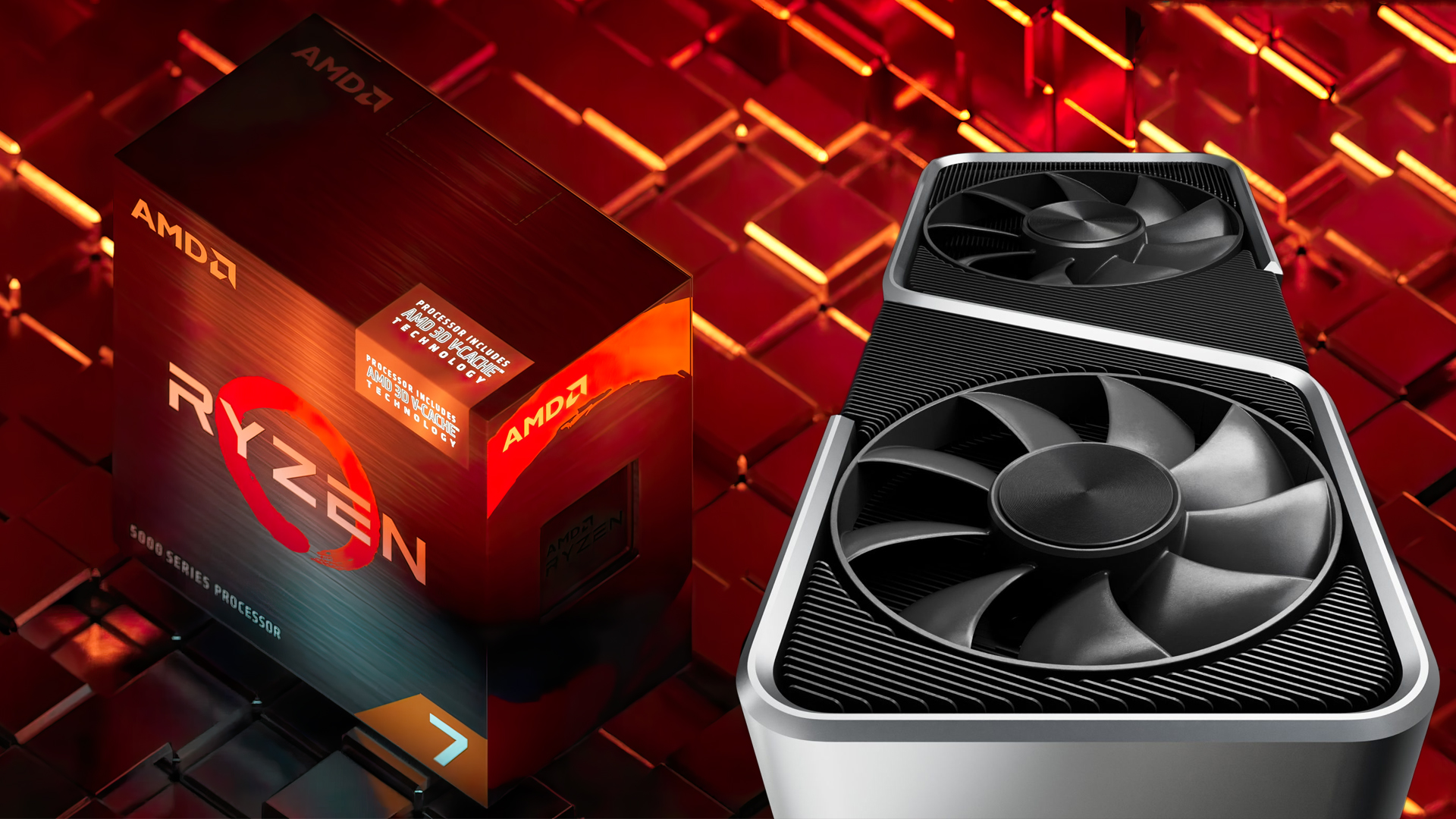
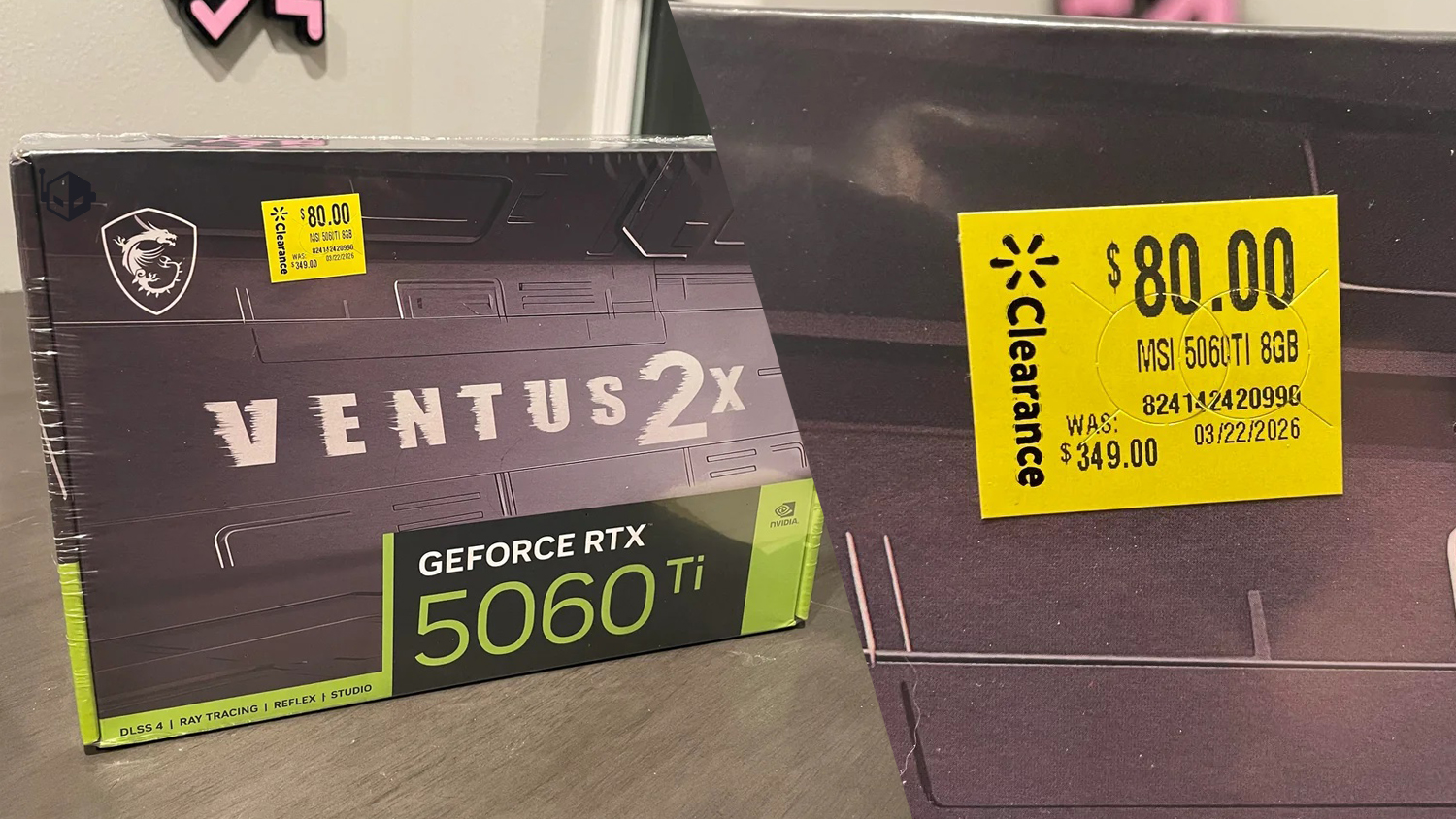
Mid-range graphics cards are rarely the subject of sudden price drops, but one lucky user’s purchase of an NVIDIA GeForce RTX 5060 Ti 8GB for just $80 has sent ripples through the market. The card, designed to bridge the gap between budget and performance tiers, is typically priced around $300–$400, making this a true outlier.
This unexpected pricing anomaly comes at a time when supply chains remain tight for mid-tier GPUs. While NVIDIA’s focus has been on its higher-end Ada Lovelace architecture, the RTX 5060 Ti represents an older but still relevant Ampere design. Its 8GB of GDDR6 memory and 12th-gen architecture make it a viable option for content creators working with moderate workloads, though it lacks the newer features found in later models.
The card’s sudden appearance at such a low price suggests possible stock adjustments or clearance activity from retailers or distributors. Whether this is an isolated incident or part of a broader trend remains unclear, but it could influence buyer expectations for mid-range GPUs in the coming months.
What Buyers Need to Know
- Performance: Ampere architecture with 8GB GDDR6 memory, DLSS support (but no ray tracing boosts from later models).
- Power: 160W TDP, designed for efficiency without heavy cooling demands.
- Use Case: Ideal for entry-level content creation or light gaming at high settings on 1440p displays.
The RTX 5060 Ti’s lack of newer features—such as ray tracing acceleration from the RT cores in Ada Lovelace cards—means it won’t replace higher-end models. However, for users prioritizing efficiency and cost over cutting-edge performance, this could be a compelling option if similar deals emerge.
Platform Compatibility Considerations
The card’s compatibility with existing platforms is another factor to weigh. While it supports PCIe 4.0, its older architecture may not fully leverage newer motherboards or CPUs optimized for Ada Lovelace cards. This could limit its appeal for users building entirely new systems, though it remains a solid choice for upgrades in established setups.
For now, the $80 price tag is likely too good to be true, but if more units surface at similar rates, it could force retailers to rethink their mid-range GPU pricing strategies. The broader market will be watching closely to see if this becomes a trend or just a one-time anomaly.
Regardless of its origin, the RTX 5060 Ti’s sudden appearance underscores the unpredictability of the GPU market, where supply chain hiccups and retailer adjustments can create fleeting opportunities. For buyers, the key takeaway is to approach such deals with caution—balancing cost savings against potential limitations in performance and ecosystem compatibility.