The Nintendo Switch 2 is reshaping how Nintendo operates, potentially ending decades of reliable first-party game releases. The hardware's development challenges are creating bottlenecks that could slow down the pipeline of new titles, according to former employees who worked on the system.
Unlike previous generations where Nintendo could rely on a steady stream of remakes and ports to fill release calendars, the Switch 2's technical constraints—particularly its limited RAM—are forcing developers to rethink how games are built. This shift is already affecting third-party studios, and internal documents suggest Nintendo's own teams are now under similar pressures to deliver high-quality experiences on time.
Key specifications
- Hardware: Custom NVIDIA Tegra chip with improved performance over the original Switch
- RAM: 16GB LPDDR5 (down from previous rumors of 20GB)
- Storage: 64GB eMMC (expandable via microSD)
- Display: 7-inch OLED, adaptive refresh rate up to 60Hz
- Price: $449.95 at launch
The reduced RAM capacity is a notable departure from earlier prototypes, which had promised more generous memory allocation. This change could limit the complexity of games that can run natively on the system without significant optimization.
Industry implications
Nintendo's traditional approach of stockpiling completed projects and releasing them strategically may no longer be viable. The Switch 2's development cycle is proving more demanding than anticipated, with internal teams now operating under tighter deadlines akin to those faced by Sony's PlayStation division. This could lead to a slower but potentially higher-quality output from Nintendo's first-party studios.
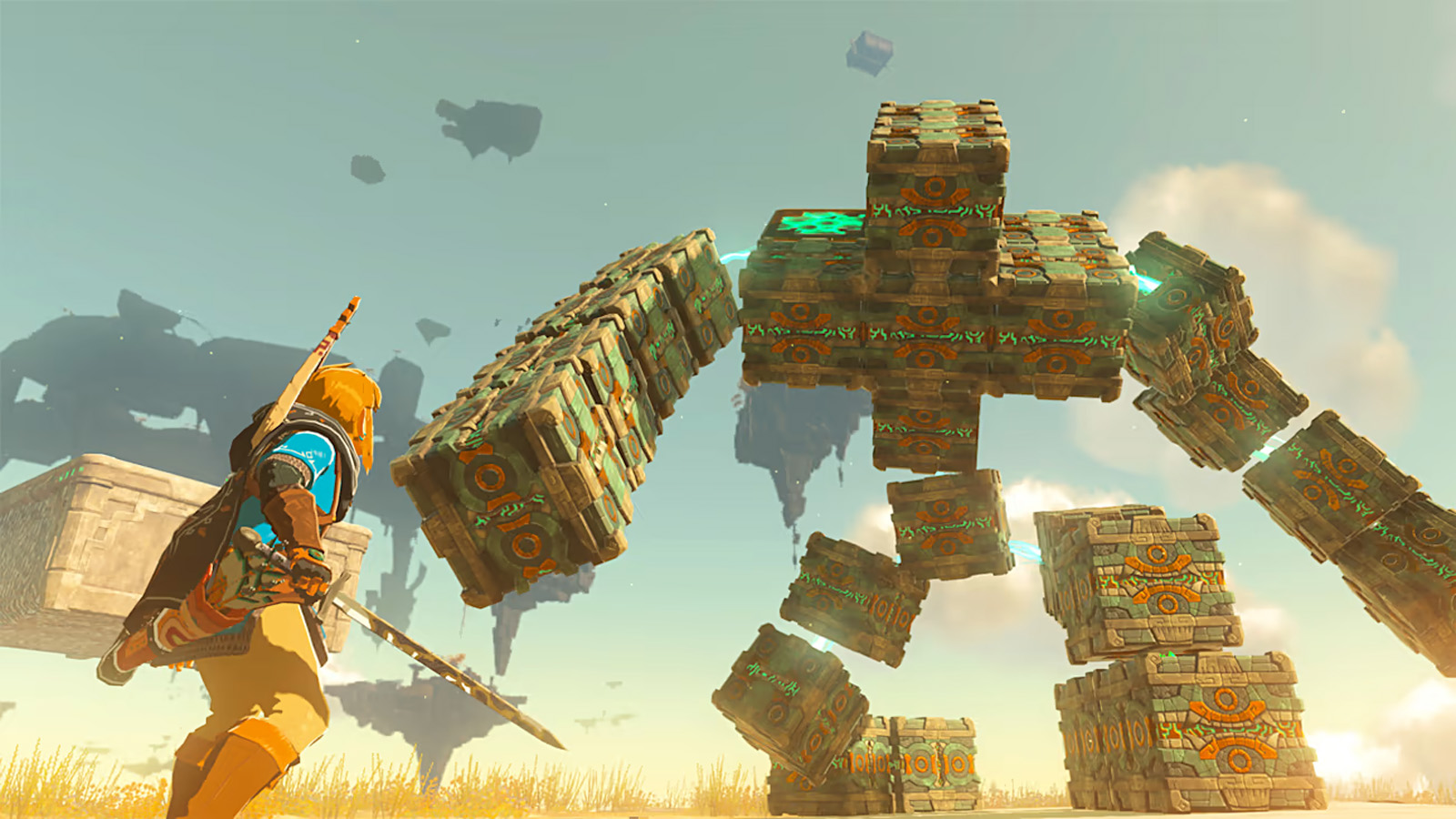
While there are still completed projects in the pipeline, the long-term impact remains uncertain. Major franchises like Super Mario Bros and The Legend of Zelda may see fewer new entries on the Switch 2 unless Nintendo can overcome these technical hurdles. The company's ability to adapt will determine whether it maintains its reputation for consistent releases or faces a period of reduced output.
What's next
PC builders and game developers will be watching closely as Nintendo navigates this transition. If the Switch 2 pipeline stabilizes, it could set a new benchmark for hybrid console development. However, if the strain continues, we may see a shift toward more incremental updates rather than full-scale innovations on the platform.