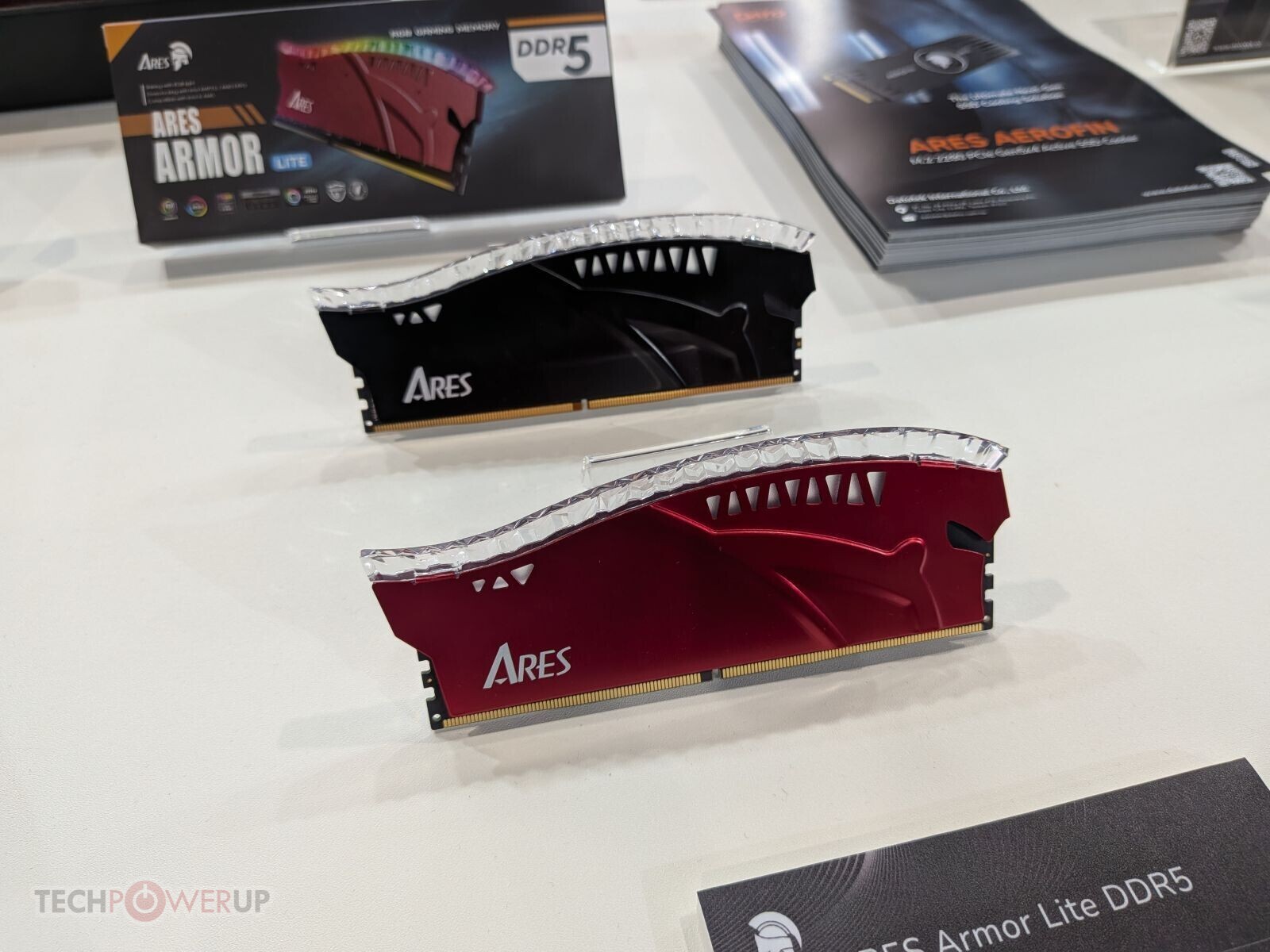
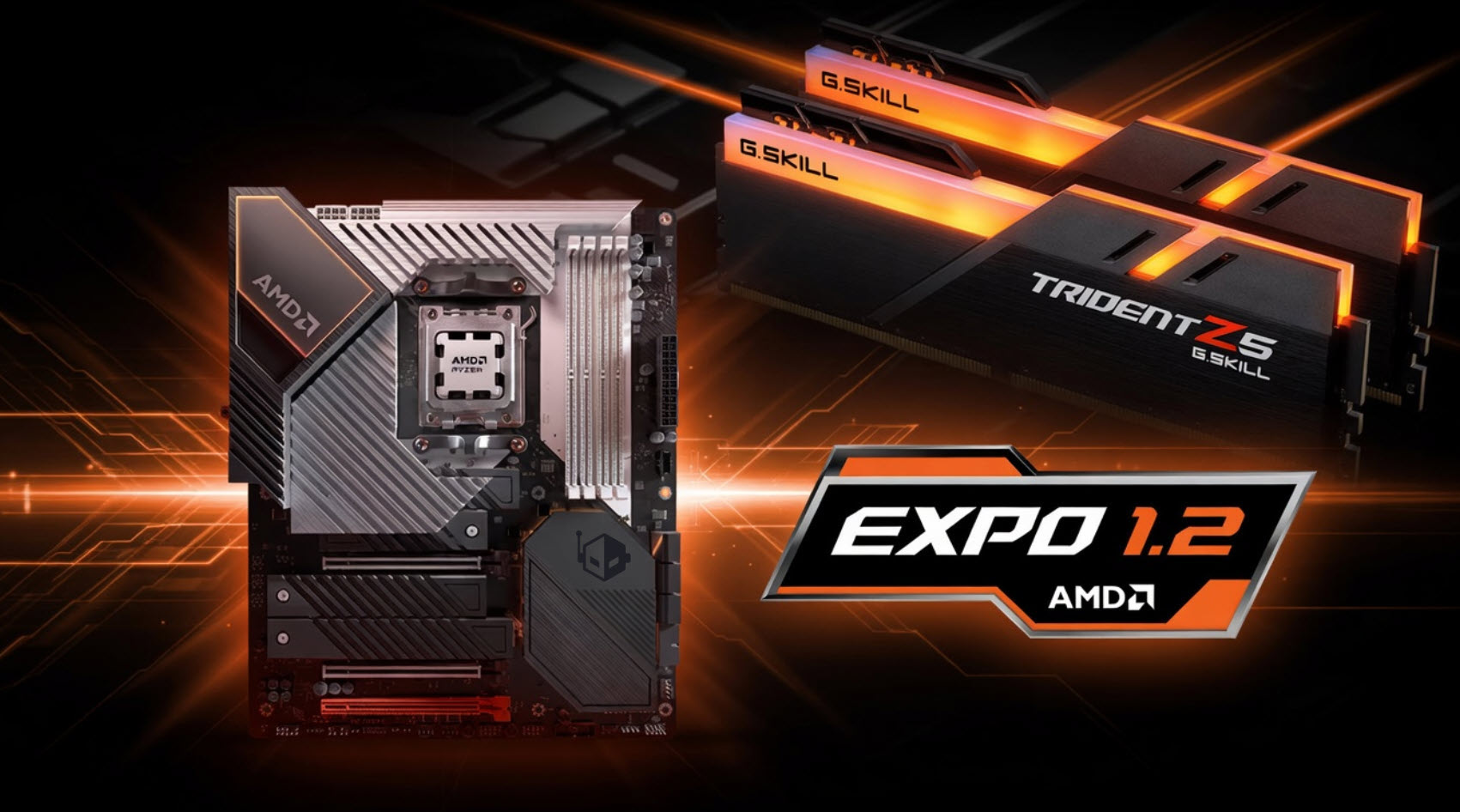
AMD has taken a significant step forward in expanding its DDR5 memory compatibility with the release of EXPO 1.2. This update introduces support for Chinese-manufactured DDR5 modules, including new form factors like CUDIMM and MRDIMM, while also lowering latency thresholds for high-performance applications.
The move is part of a broader effort to ensure that developers and system builders have access to a more diverse and capable memory ecosystem. By integrating these new module types, AMD aims to address the growing demand for specialized memory solutions in both consumer and professional markets. The inclusion of ultra-low latency options further strengthens AMD's position in high-performance computing, where speed is often a critical factor.
New Module Types and Performance Enhancements
With EXPO 1.2, AMD introduces two new DDR5 module types: CUDIMM (Cache Unified Dual In-line Memory Module) and MRDIMM (Multi-Rank Dual In-line Memory Module). These modules are designed to offer enhanced performance and flexibility for system builders.
- CUDIMM: A high-bandwidth, low-latency module that integrates a cache layer directly on the memory module. This design is particularly beneficial for applications requiring rapid data access, such as gaming or AI workloads.
- MRDIMM: A multi-rank module that allows for increased capacity and flexibility in system configurations. It is well-suited for enterprise and high-performance computing environments where scalability is a key consideration.
The update also introduces support for ultra-low latency DDR5 modules, which are designed to push the boundaries of performance in demanding applications. These modules are expected to find their way into high-end desktops, workstations, and servers where every nanosecond counts.
Platform Compatibility and Rollout
AMD's EXPO 1.2 update is designed to work seamlessly with a range of platforms, including those based on the company's latest CPU architectures. This compatibility ensures that developers can leverage these new memory modules without worrying about system integration challenges.
The rollout of these new module types and performance enhancements is expected to begin shortly, providing system builders and developers with immediate access to advanced DDR5 capabilities. While the exact timeline for widespread availability remains unclear, AMD's focus on expanding its ecosystem suggests that these features will become a standard part of future memory configurations.
The introduction of CUDIMM and MRDIMM marks a notable shift in how memory is designed and utilized in high-performance systems. By lowering latency and increasing flexibility, AMD is addressing the evolving needs of developers and enterprises alike, setting a new benchmark for what DDR5 memory can achieve.