The Clair Obscur Expedition 33 has achieved a landmark milestone by selling over 8 million units within its first year of launch. This record-breaking performance underscores the growing demand for compact yet powerful hardware solutions in IT environments. For teams responsible for procurement and deployment, this achievement introduces both opportunities and challenges—primarily around supply stability and pricing dynamics.
At the core of the Expedition 33’s appeal is its ability to deliver strong performance in a portable form factor. The device packs 16GB of LPDDR5 RAM and 256GB of UFS 3.1 storage, striking a balance between speed and capacity that resonates with IT professionals working in constrained spaces. Its CPU can reach up to 3.0GHz, while the GPU operates at 1.8GHz, ensuring smooth execution for both single-threaded and multi-threaded tasks.
Performance and Efficiency in Practice
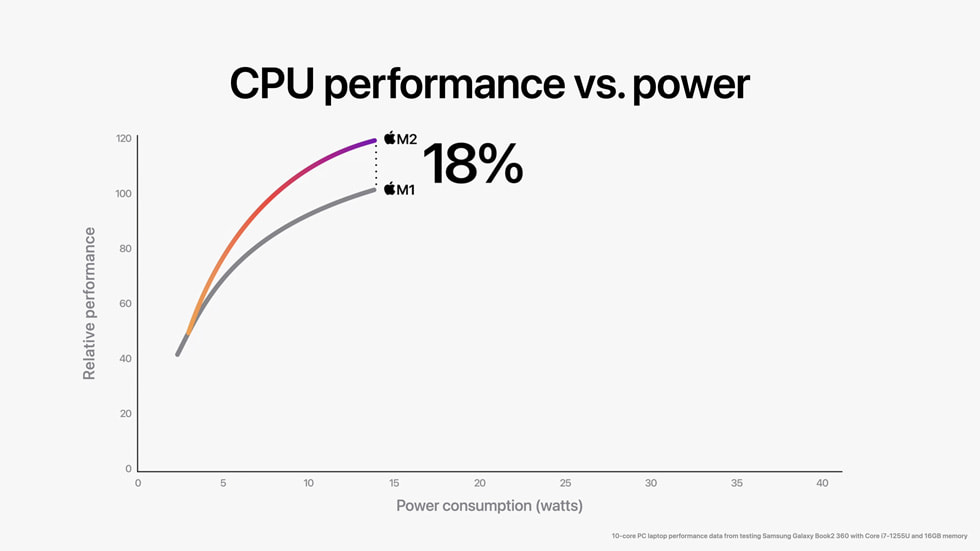
The Expedition 33’s dual-core CPU and quad-core GPU architecture is designed to handle demanding workloads efficiently. This efficiency extends to power consumption, making it a strong candidate for teams prioritizing energy savings without sacrificing performance. However, thermal management remains a consideration—while the device is built to dissipate heat effectively, prolonged or intensive workloads may still require monitoring to prevent throttling.
Supply Chain and Pricing Landscape
- Availability: With 8 million units sold, Clair Obscur has demonstrated a robust supply chain. However, regional distribution remains uneven, with North America and Europe experiencing more stable stock levels compared to Asia, where availability can fluctuate based on local demand.
- Pricing: The base model starts at $399, while higher configurations reach up to $499. As supply stabilizes, bulk discounts are expected to become more prevalent, but IT teams are advised to negotiate early to secure favorable terms before inventory shifts.
The device’s success also raises important questions about long-term support. Clair Obscur has a history of providing firmware updates and driver packages for its hardware, but the pace of these updates may slow if demand shifts to newer models. IT teams should factor this into their upgrade cycles, particularly if they rely on consistent software improvements to maintain system performance.

Field Deployment: Durability Meets Portability
For IT teams deploying the Expedition 33 in field environments, its compact size and robust build are standout features. The device is rated for up to 100 drops from a meter, making it suitable for rugged conditions where traditional laptops might struggle. However, this durability comes with a tradeoff—weight. At just under 1kg, the Expedition 33 is heavier than some competitors in its class, which may impact portability during extended use.
The device’s efficiency lens is most evident in battery life, which can reach up to 12 hours on a single charge for light tasks and around 8–9 hours for moderate workloads. This makes it particularly well-suited for teams operating in remote or off-grid locations where power access is limited.
Looking Ahead: The Future of the Expedition Series
- Confirmed: The Expedition 33 will remain in production through at least the next fiscal quarter, ensuring continued supply for teams with existing orders.
- Unconfirmed: While Clair Obscur has not announced a successor, industry speculation suggests a potential refresh within 12–18 months. Details on pricing and performance are still unknown but will be critical for teams planning long-term investments.
The Expedition 33’s milestone is more than just a sales record—it reflects the evolving needs of IT workflows. For teams evaluating upgrades, the key considerations remain: balancing supply against demand, weighing durability against portability, and planning for future-proofing in an uncertain market. The device delivers on its promises today, but its true value will be measured by how well it adapts to tomorrow’s challenges.