Meta and AWS have formalized a major collaboration to scale agentic AI workloads using Graviton processors, signaling a new direction for large-scale AI infrastructure. This agreement goes beyond traditional GPU-centric training, focusing on the growing need for CPU-intensive tasks such as real-time reasoning, code generation, and multi-step task orchestration.
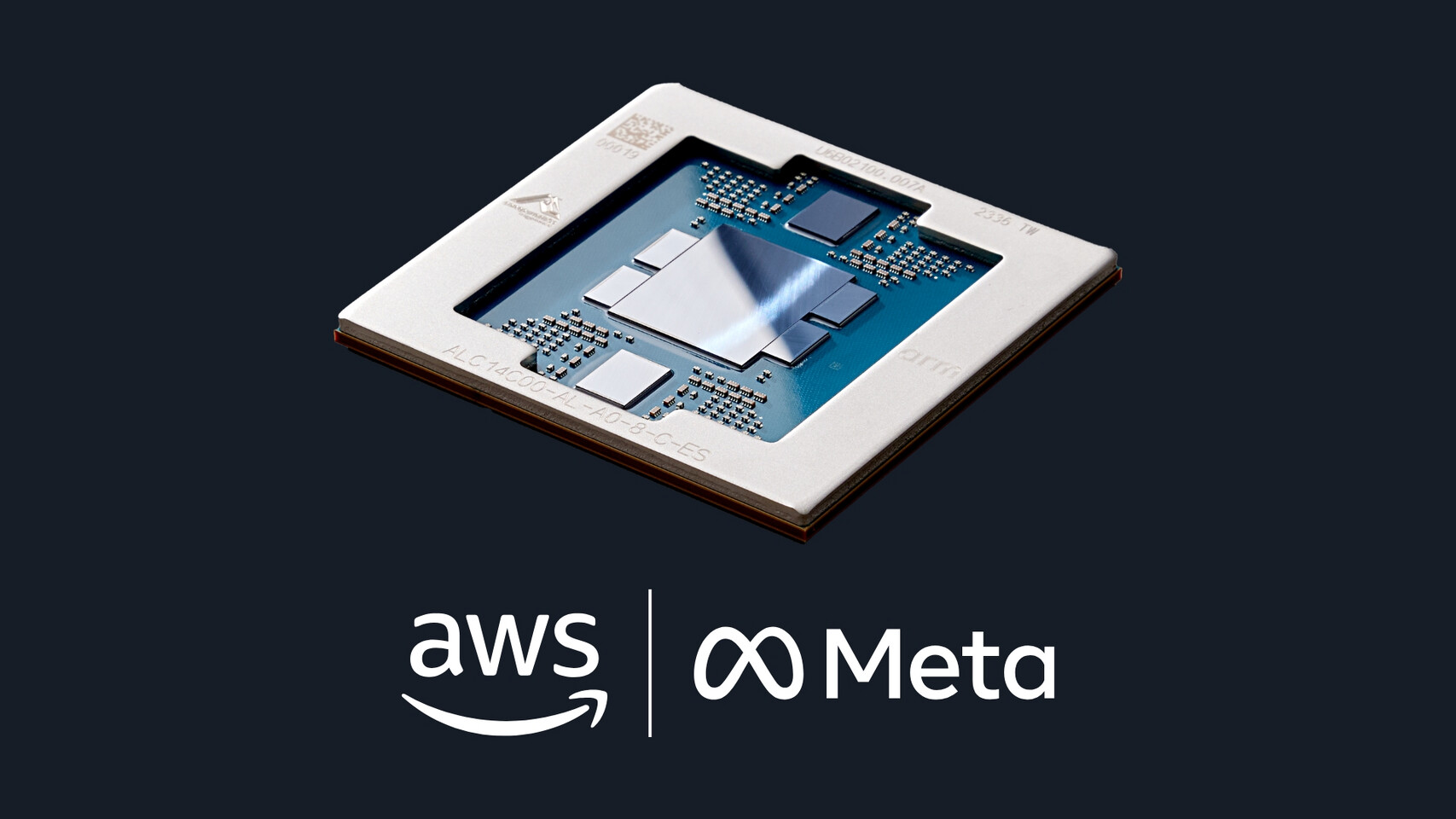
The partnership will see Meta leverage AWS's Graviton5 chips, which feature 192 cores and a five-times-larger cache compared to previous generations. This enhancement reduces core communication delays by up to 33%, improving data processing speed and bandwidth—critical for agentic AI systems that require continuous, complex task execution.
Graviton5 is built on AWS's Nitro System, which combines dedicated hardware and software to deliver high performance, availability, and security. The system supports bare-metal instances with direct hardware access while maintaining compatibility with familiar AWS tools like Elastic Network Adapter (ENA) and Amazon Elastic Block Store (Amazon EBS). Additionally, the chips support the Elastic Fabric Adapter (EFA), enabling low-latency communication essential for Meta's large-scale AI tasks.
Meta's long-standing relationship with AWS positions it to benefit from a highly scalable and secure cloud infrastructure. The expanded use of Graviton processors allows Meta to diversify its compute sources, addressing the CPU-intensive demands of agentic AI while maintaining performance and efficiency at scale.
Energy efficiency is a key focus of this partnership. Graviton5's 3-nanometer chip technology delivers up to 25% better performance than its predecessor, optimizing both cost management and environmental impact. This aligns with Meta's sustainability goals while meeting the increasing demand for AI compute across industries.
For small businesses considering similar advancements, this partnership underscores the importance of purpose-built chips in modern AI infrastructure. While GPUs remain vital for training large models, the rise of agentic AI highlights the need for specialized CPU solutions that can handle complex, multi-step tasks efficiently.
The collaboration reflects a broader industry trend toward energy-efficient, high-performance computing. As companies like Meta push the boundaries of AI capabilities, partnerships like this will shape the future of scalable and sustainable AI infrastructure.