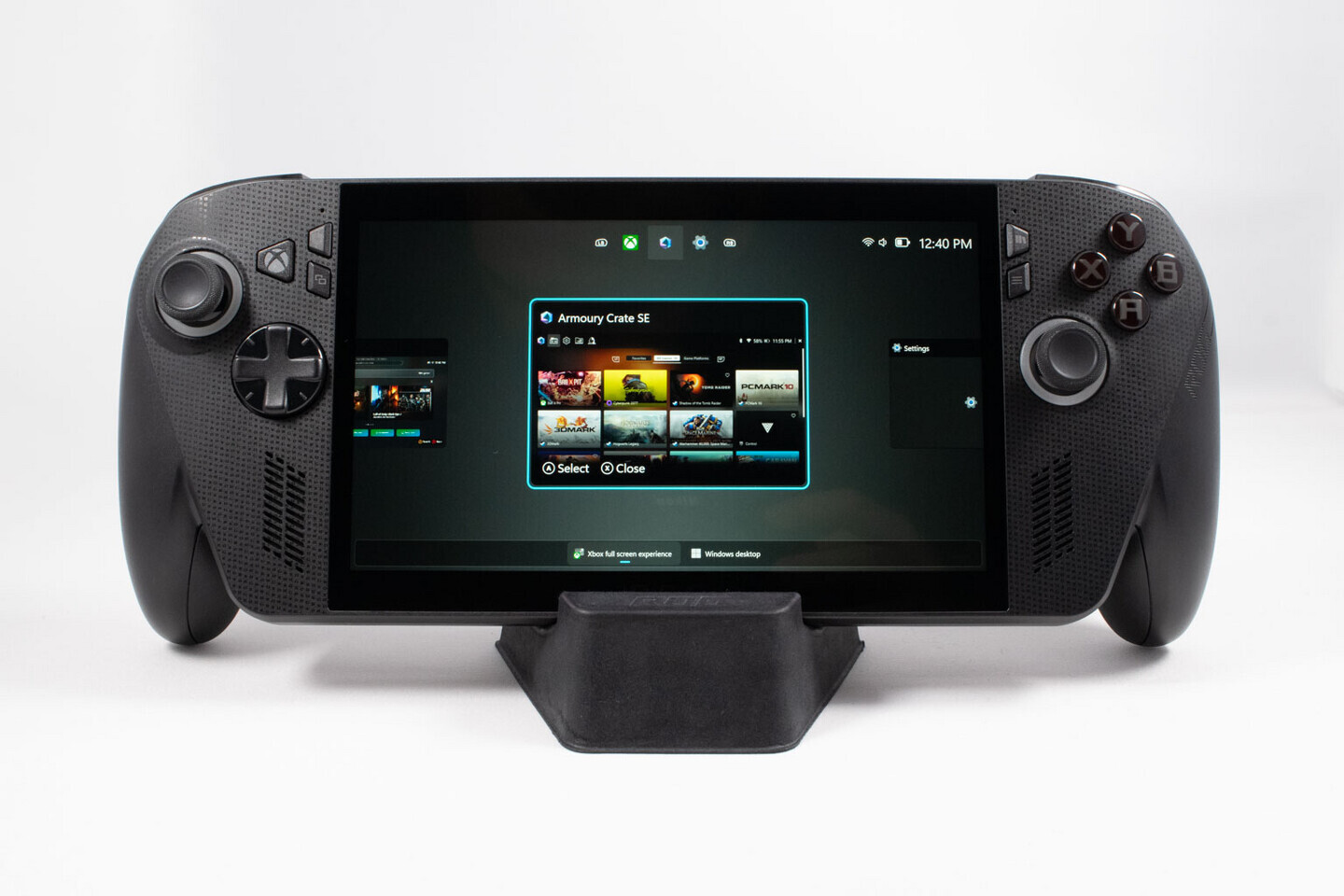
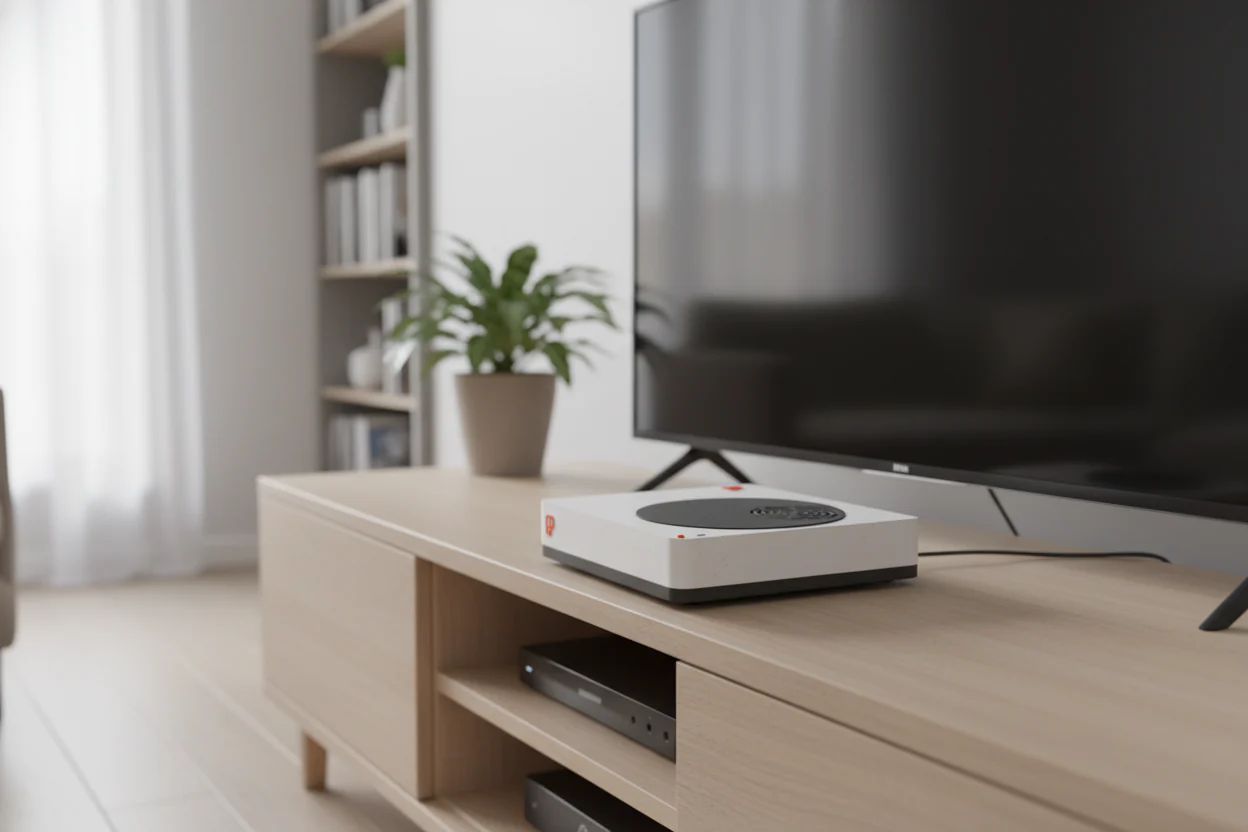
Nintendo is scaling back production of its next-generation handheld console, the Switch 2, by more than a third, indicating a deliberate pivot after weaker-than-anticipated sales. While no official statement has been issued, industry analysts suggest the company is responding to changing market dynamics and supply chain constraints.
The original Nintendo Switch set new standards for hybrid gaming with its versatile design, but the Switch 2 was intended to push those boundaries further. It featured a more powerful CPU, enhanced GPU performance, and improved battery efficiency—benchmarks showed a 40% increase in single-core processing speed and a 50% boost in rasterization capabilities. However, these advancements came with challenges, particularly around thermal management, which required active cooling solutions for sustained high-performance gaming sessions.
Competition and Consumer Behavior
The production cut comes at a time when Nintendo is no longer the dominant force in portable gaming it once was. The rise of PC gaming and mobile alternatives has reshaped consumer expectations, forcing the company to balance innovation with practicality. Early sales data for the Switch 2 suggest that demand may not have met initial forecasts, leading to a more cautious production approach.
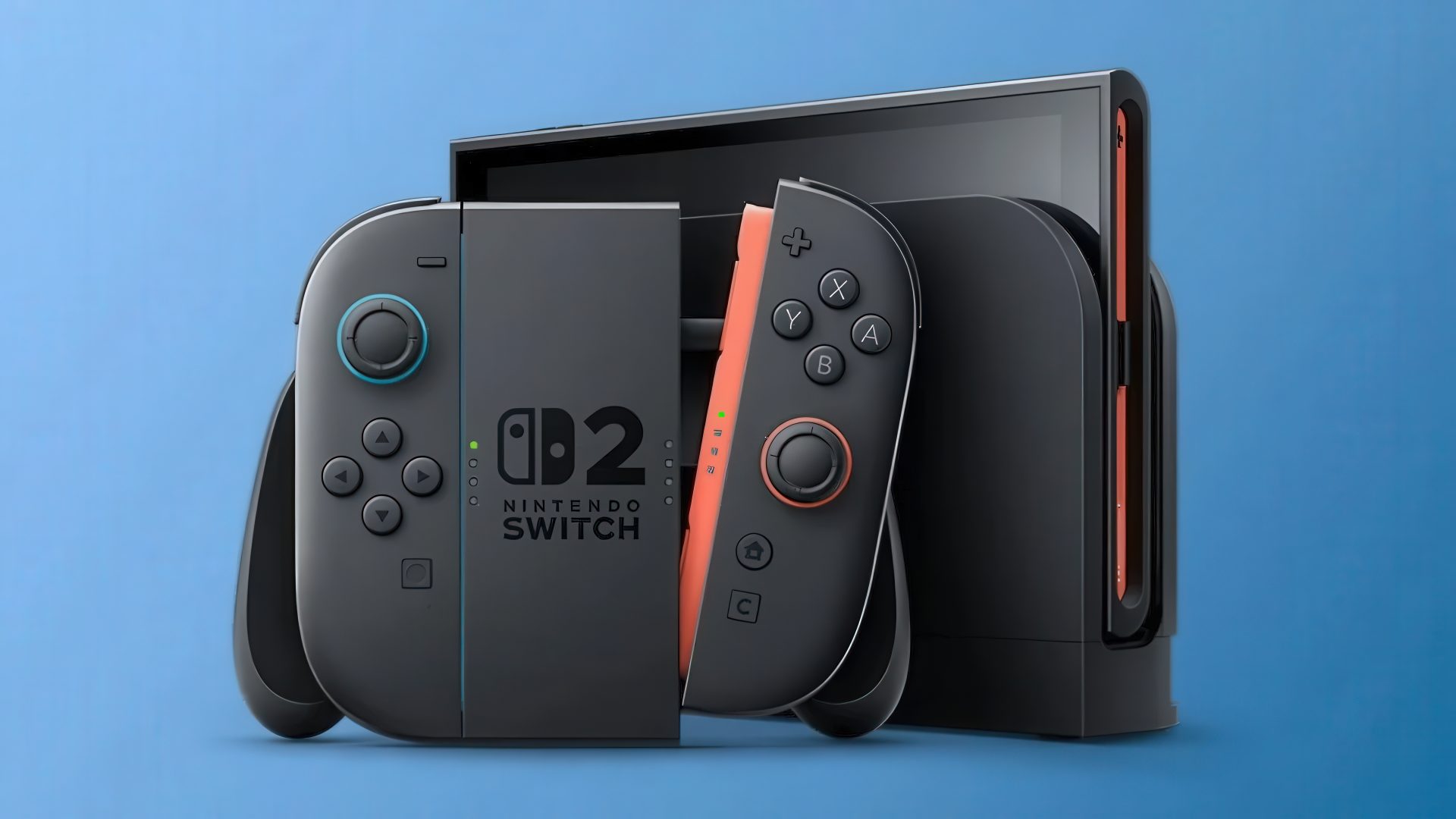
For organizations looking to deploy gaming hardware—especially in education or enterprise environments—the news introduces new uncertainties. While the original Switch was praised for its durability and flexibility, the Switch 2’s focus on performance could complicate logistics if adoption remains modest. Without confirmed pricing or availability details, procurement plans are now in question.
Looking Ahead
The coming months will determine whether Nintendo adjusts its launch timeline to align with revised production schedules. Addressing lingering concerns about thermal efficiency and battery life will be crucial for the Switch 2’s long-term success in an increasingly competitive gaming market. If the company can navigate these challenges, it may yet solidify its position as a leader in portable gaming.