The next generation of consoles is approaching a critical milestone: when it arrives, it must do so without being derailed by the same supply crunch that has already reshaped PC and mobile hardware. Industry observers are watching closely to see if the PS6 and Xbox Next can avoid the fate of their predecessors—units delayed or limited in capacity because of memory and storage bottlenecks.
One of the largest players in the space, a company with deep ties to both console ecosystems, has now offered its assessment. The message is clear on one front: no major delays are expected based solely on memory availability. But the picture becomes more nuanced when you look at what that actually means for developers and small studios.
What’s confirmed—and what isn’t
The official stance is that the hardware pipeline remains on track, with production schedules set to begin in late 2024. This does not mean memory shortages are irrelevant; it means they are being addressed proactively rather than reactively.
- Confirmed: Production start for both PS6 and Xbox Next is targeted for Q4 2024, with no public indication of postponement due to memory constraints.
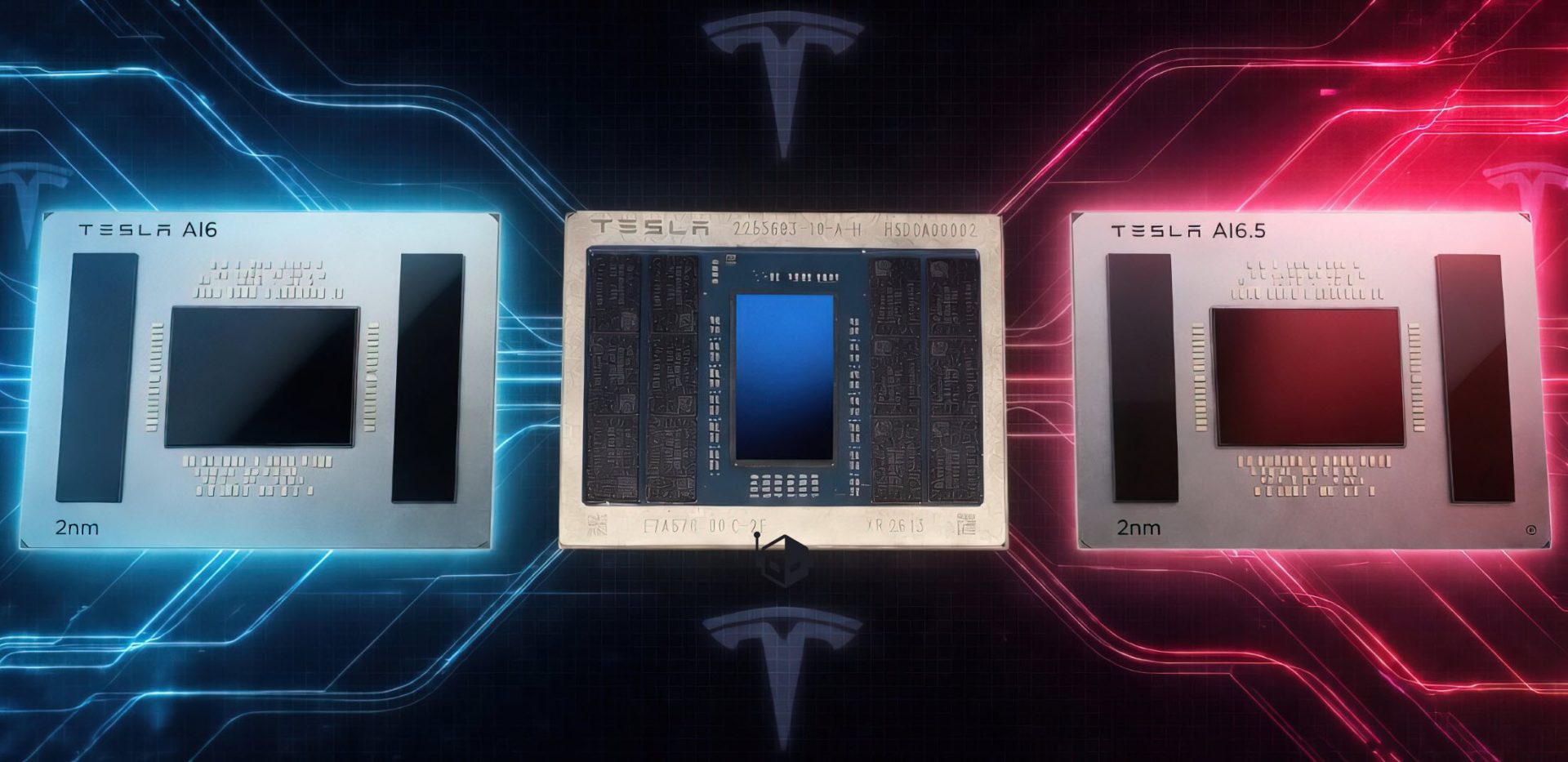
- Confirmed: The new consoles will feature unified architecture that integrates CPU, GPU, and system memory in a single package—reducing the need for external DRAM modules and streamlining manufacturing.
- Confirmed: Storage capacity (1TB) is fixed; no expansion slots or microSD support are planned for retail units.
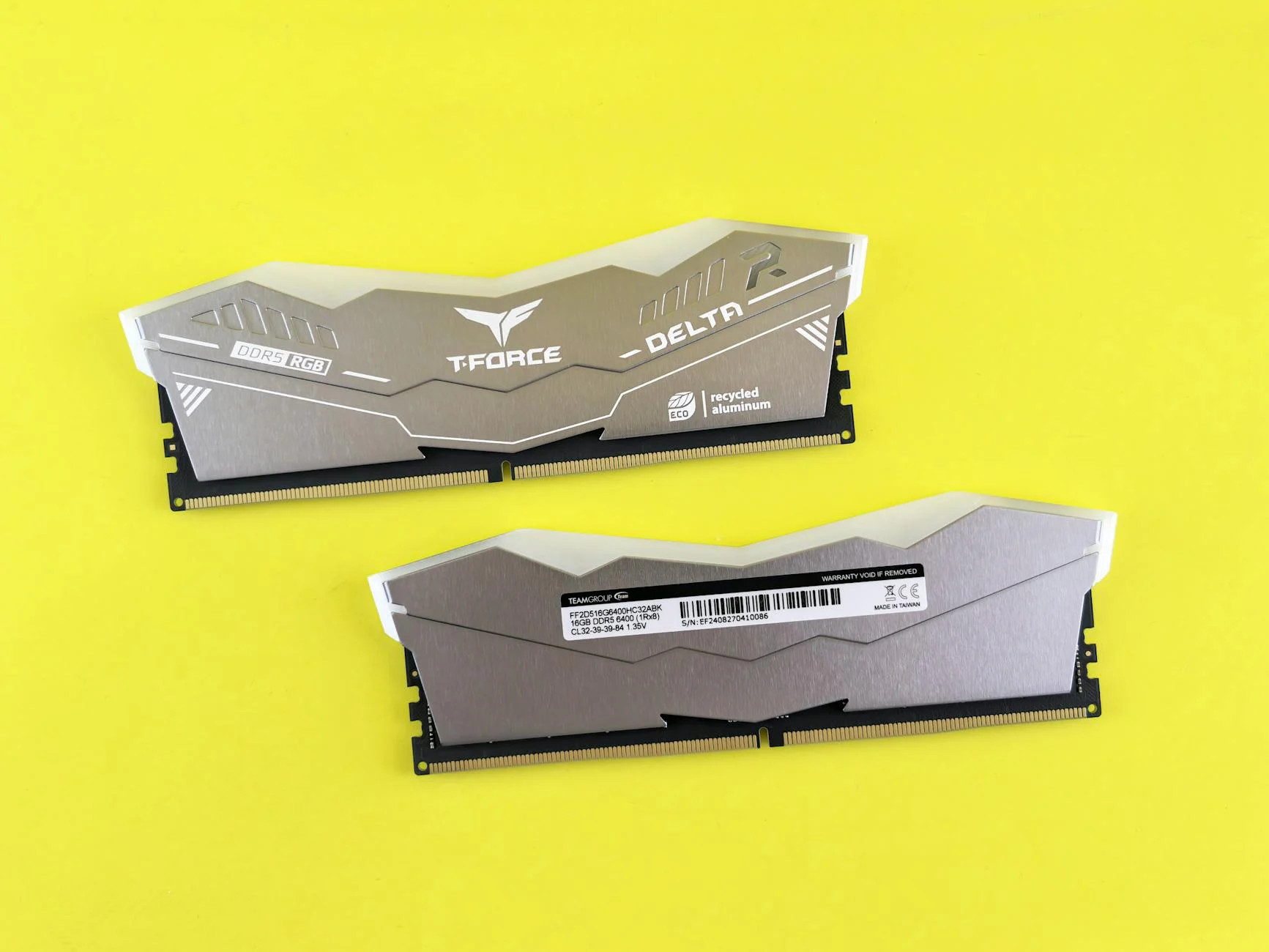
The uncertainty lies not in the hardware itself, but in how developers will adapt. The shift to a more tightly coupled memory architecture means that game design must evolve alongside it. For smaller teams without in-house hardware expertise, this could create new hurdles—especially when paired with the ongoing shortage of high-bandwidth RAM modules.
Who benefits—and who should watch closely
For small businesses and independent developers, the news is a double-edged sword. On one hand, the unified architecture promises better thermal efficiency and lower power draw—key advantages for portable or all-in-one setups. On the other, the lack of modular storage means that projects with high asset density (e.g., open-world games) will need to rethink data compression strategies from day one.
Enthusiasts and early adopters may see immediate gains in performance and load times, but the long-term impact hinges on how well the industry can scale production. The current memory crunch has already led to price surges for GDDR6 and HBM2 modules; if those trends persist, even a confirmed 2025 launch could face supply chain pressure.
Looking ahead, the roadmap is set: hardware production begins in late 2024, with retail availability targeted for mid-2025. Pricing has not been finalized, but industry benchmarks suggest a premium over current-gen units—likely in the range of $399 to $449 at launch. Whether that holds depends on how quickly memory prices stabilize.
For now, the focus remains on testing and refining the unified architecture. Developers are being encouraged to adopt new tools early, but the full ecosystem impact won’t be clear until production ramps up. That’s when we’ll know if this generation of consoles truly breaks free from the past—or if it’s just another step in a longer cycle.