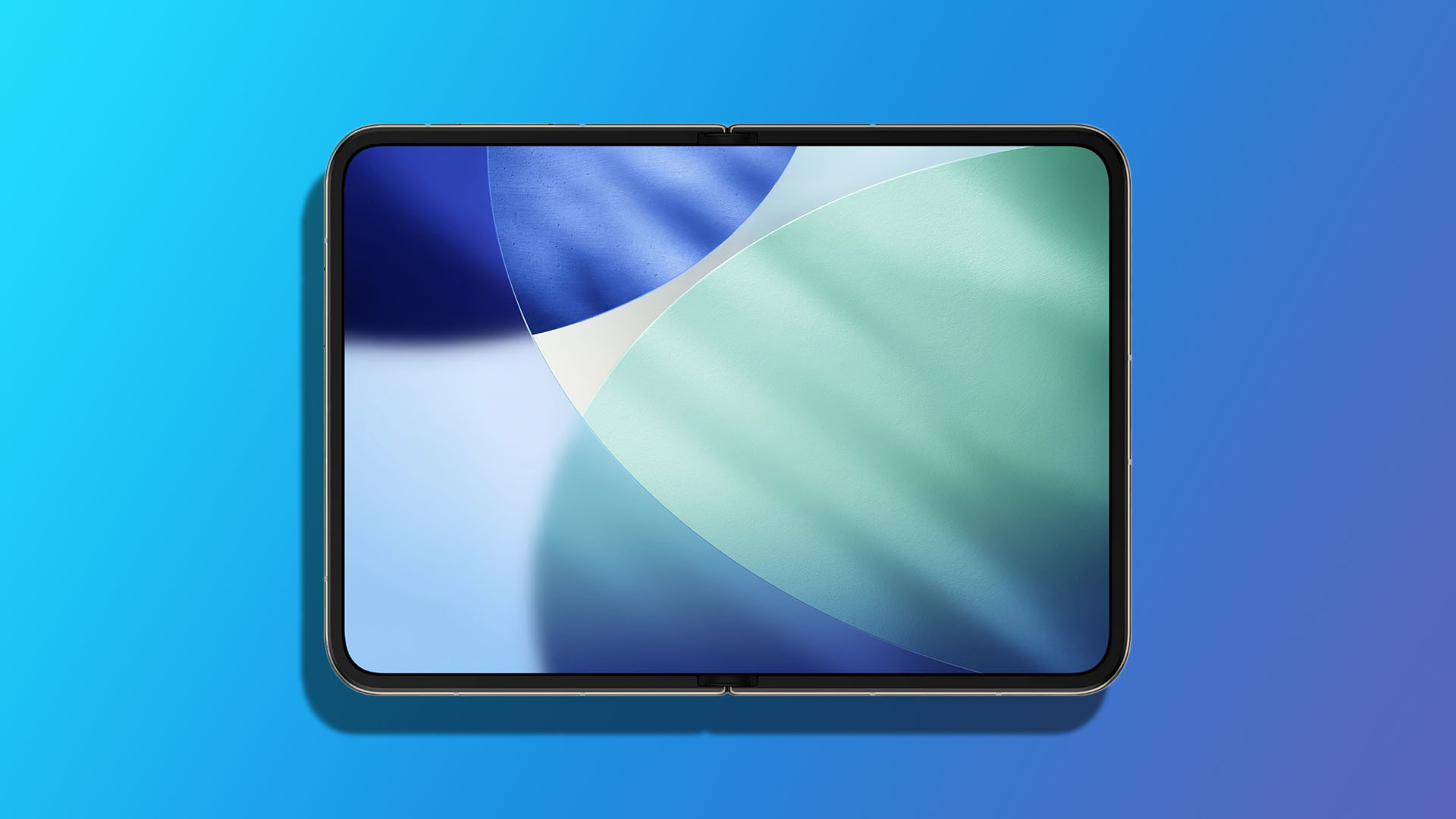
Apple's latest M4 iPad Air models are stepping into a market where portability and performance are under constant scrutiny. The new 11-inch and 13-inch Wi-Fi-only variants, now available with notable discounts on certain configurations, mark a shift in Apple’s strategy—one that prioritizes affordability while making deliberate trade-offs in hardware. These adjustments come at a time when competitors like Samsung and Qualcomm are pushing boundaries with their own silicon, including the Snapdragon X Elite series.
The discounts, which can reach up to $100 off select configurations, make these models the most affordable way into Apple’s latest tablet ecosystem. For instance, the 13-inch 512GB model has seen a price reduction, though availability varies by color and storage tier. The 1TB variant of the same size also benefits from promotions, but its limited stock means potential buyers need to act quickly if they’re targeting specific finishes.
Under the hood, the M4 iPad Air series continues to leverage familiar components while introducing subtle yet meaningful upgrades. The N1 wireless chip now supports Wi-Fi 7, a notable jump from previous generations that promises faster connectivity without altering the tablet’s overall speed profile. Unified memory has been increased to 12GB with a bandwidth boost to 120GB/s, a modest improvement over the previous generation’s 100GB/s. However, the CPU configuration tells a different story.
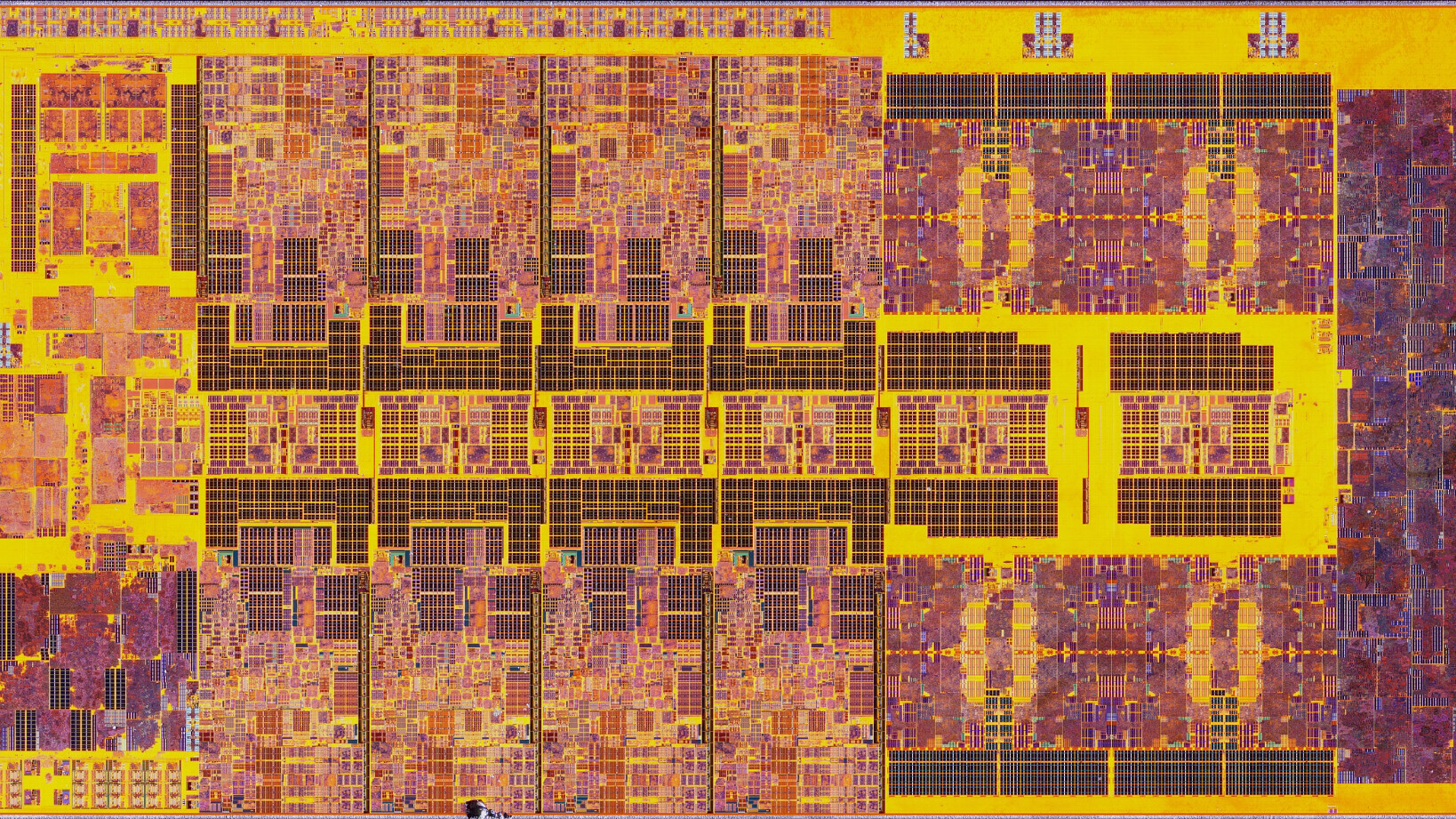
The M4 chip in these models is a binned variant, featuring an 8-core CPU instead of the standard 10-core setup found in other devices. While Apple maintains that this change won’t be noticeable in everyday use, industry observers suggest it may reflect a deliberate balance between cost and performance—a strategy that could satisfy mainstream users but leave power-hungry workloads, such as AI processing or extended video editing, wanting more.

For data and AI workloads, where efficiency is critical, the 12GB unified memory and 120GB/s bandwidth still deliver solid performance. However, the binned CPU raises questions about sustained power under demanding tasks. If Apple’s goal is to maximize battery life or thermal efficiency without sacrificing daily productivity, these models may fit the bill. But for users pushing the limits of mobile AI or complex data analysis, the trade-off could become apparent over time.
The discounts are not uniform across all configurations, creating a sense of urgency for shoppers targeting specific storage and color options. The 1TB 13-inch model, for example, sees the highest reduction in price, but its availability is limited to certain finishes. This means buyers must prioritize their needs if they want to take advantage of these promotions before they disappear.
Looking ahead, it remains unclear whether this binned M4 chip will become a permanent feature in Apple’s lineup or if it’s a one-time adjustment. If the trend continues, users may see similar trade-offs in future hardware, forcing them to weigh portability against raw performance more carefully. For now, the M4 iPad Air stands as a refined, discounted option for those who prioritize convenience and battery life—but those with heavier workloads should approach these models with cautious optimism.