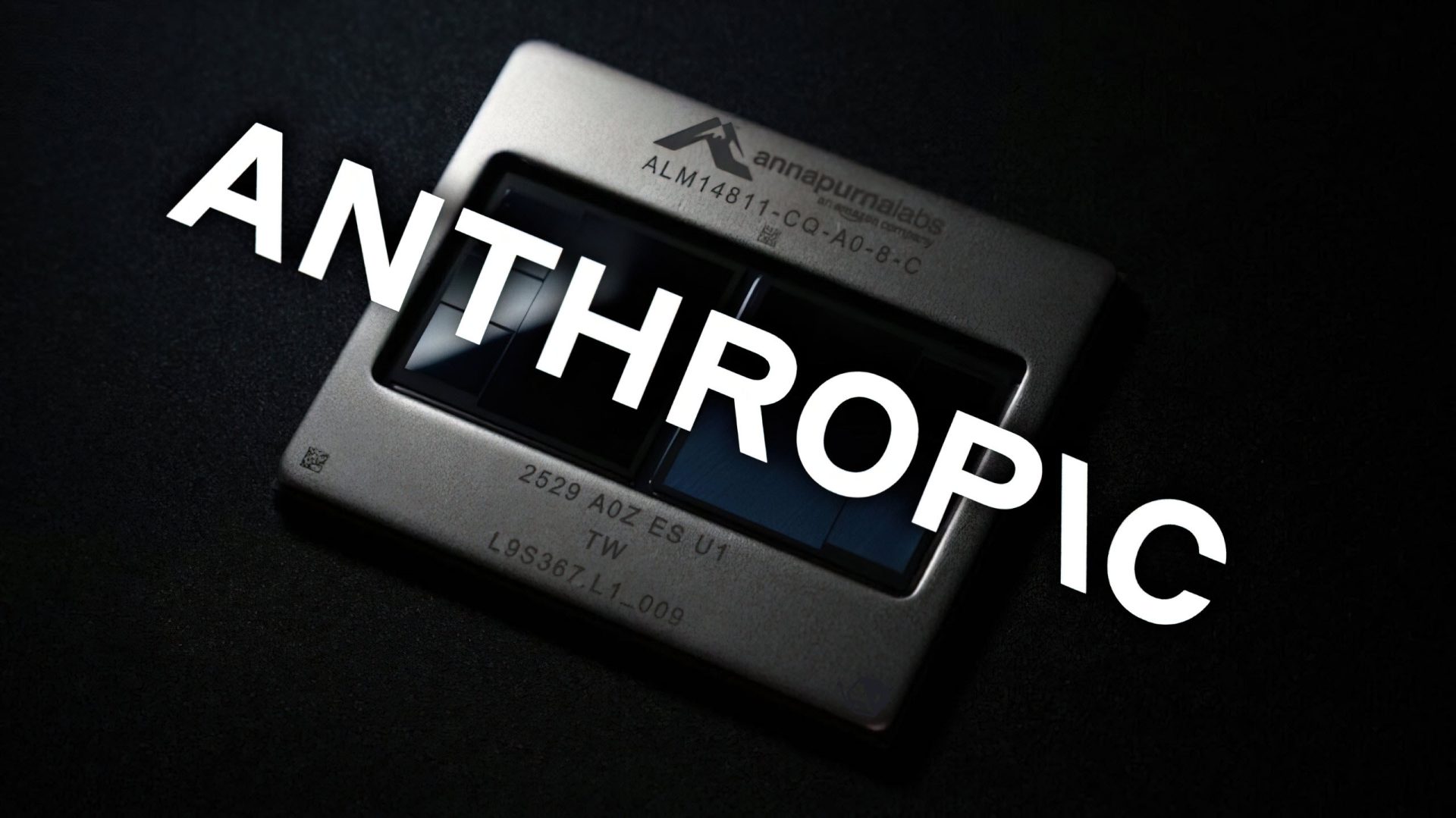
IT teams evaluating next-generation AI infrastructure face a critical choice: whether to build on proprietary systems or adopt open architectures. Amazon's latest move with Anthropic—announcing $5 billion in fresh capital and 6 exaFLOPS of Trainium capacity—suggests the former may be winning, at least for now.
Claude models, already a benchmark in generative AI, will gain direct access to Amazon's most powerful chip platform. This isn't just about compute; it's about locking in exclusive development pipelines and operational cost advantages that smaller players can't easily replicate. The 6 exaFLOPS figure alone—equivalent to six supercomputing clusters—sets a new baseline for what 'enterprise-grade AI' can mean.
Feature: Seamless Integration
The partnership ensures Claude models run natively on AWS, eliminating the need for complex data transfers or third-party integrations. For IT teams, this translates to reduced latency and lower operational overhead. However, the lack of transparency around how this capacity will be allocated—whether it's reserved exclusively for Claude or shared—remains a point of uncertainty.
Caveat: Locked-in Ecosystems
While the integration benefits are clear, the move raises questions about long-term flexibility. Relying solely on Trainium chips means teams may miss out on advancements in other architectures, such as NVIDIA's H100 or open-source alternatives. The $5 billion investment also implies a heavy upfront cost, which smaller organizations may struggle to justify without clear ROI timelines.
What’s Next
The immediate impact will be faster model training cycles and reduced cloud costs for Claude users. But whether this translates into broader industry leadership depends on how open Amazon remains to external innovation. For now, the partnership solidifies Amazon's position as a dominant force in AI infrastructure—one that others will need to match if they want to stay competitive.