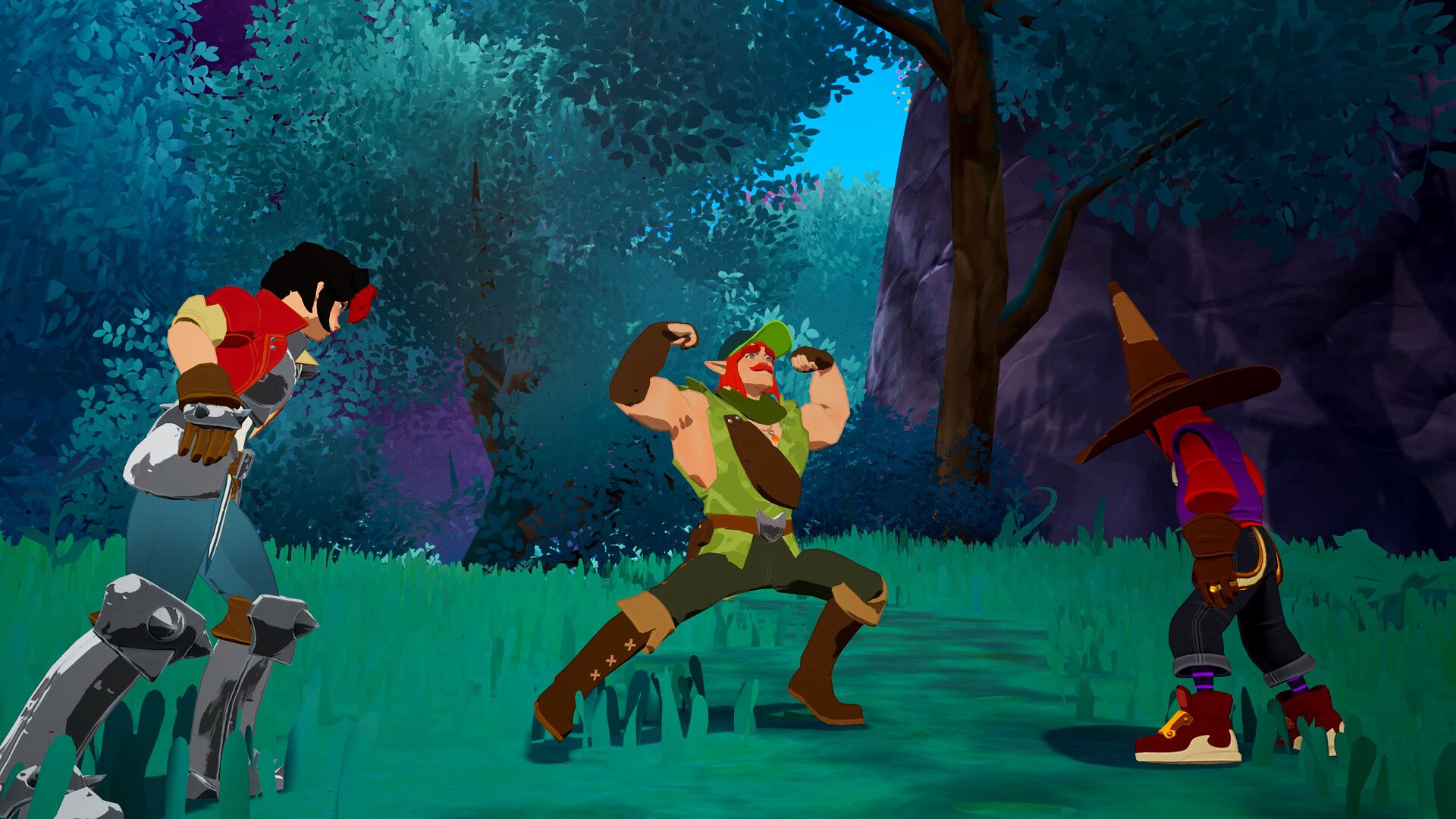
Lort arrived as a bold declaration: a fantasy roguelike explicitly modeled after Risk of Rain 2, built by a team frustrated by the absence of a true successor. Its launch was met with the kind of enthusiasm reserved for games that demand mastery—but also with a surge of criticism over its relentless challenge. Now, after just days of player feedback, the developer has made adjustments, though not without resistance.
The game’s philosophy is clear: failure is not a bug, but a feature. Each death is a lesson, each boss encounter a test of adaptability. Yet even its creators acknowledge that some obstacles were too punishing for new players to overcome without frustration. The latest update softens a few edges—specifically targeting the Goblin Lobbers, early-game enemies whose attacks were deemed overly lethal and unpredictable. Their behavior has been refined to give players more time to react, though the core threat remains.
A more subtle but potentially more impactful change lies in how players allocate their skill points. A new tutorial prompt now highlights each character’s primary attribute—whether it’s strength, agility, or magic—encouraging specialization rather than spreading resources thin. The goal isn’t to make Lort easier, but to ensure that progression feels deliberate and rewarding when players commit to a playstyle.
Why the Compromise?
The concessions aren’t a surrender. They’re a calibration. Big Distraction has repeatedly emphasized that Lort is designed with solo players in mind—where every decision carries weight and every misstep can be fatal. Multiplayer, by contrast, offers a safety net of shared resources and coordinated strategies. The update strikes a balance: acknowledging that even hardcore roguelike fans deserve a fighting chance on their first run.
Key Adjustments
- Goblin Lobbers: Reduced aggression and more telegraphed attacks to improve early-game survival.
- Skill Progression: New tutorial cues now emphasize character archetypes, guiding players toward focused builds.
- Accessibility Note: The developer clarified that while the game remains difficult, it shouldn’t feel unfairly punishing for casual players.
For the team behind Lort, this isn’t about lowering the bar. It’s about ensuring that the bar is fair—and that the climb is worth the effort. The game’s launch has been described as surreal, a two-year labor of love that now faces the test of player reception. While the difficulty debate rages, another challenge looms: refining the co-op experience, which currently struggles with connectivity issues. A solution is in the works, though no details have been shared.
The message is clear: Lort won’t become a walk in the park. But it will no longer feel like a gauntlet designed to break newcomers. Whether that’s enough to silence critics—or just the beginning of a longer conversation—remains to be seen.