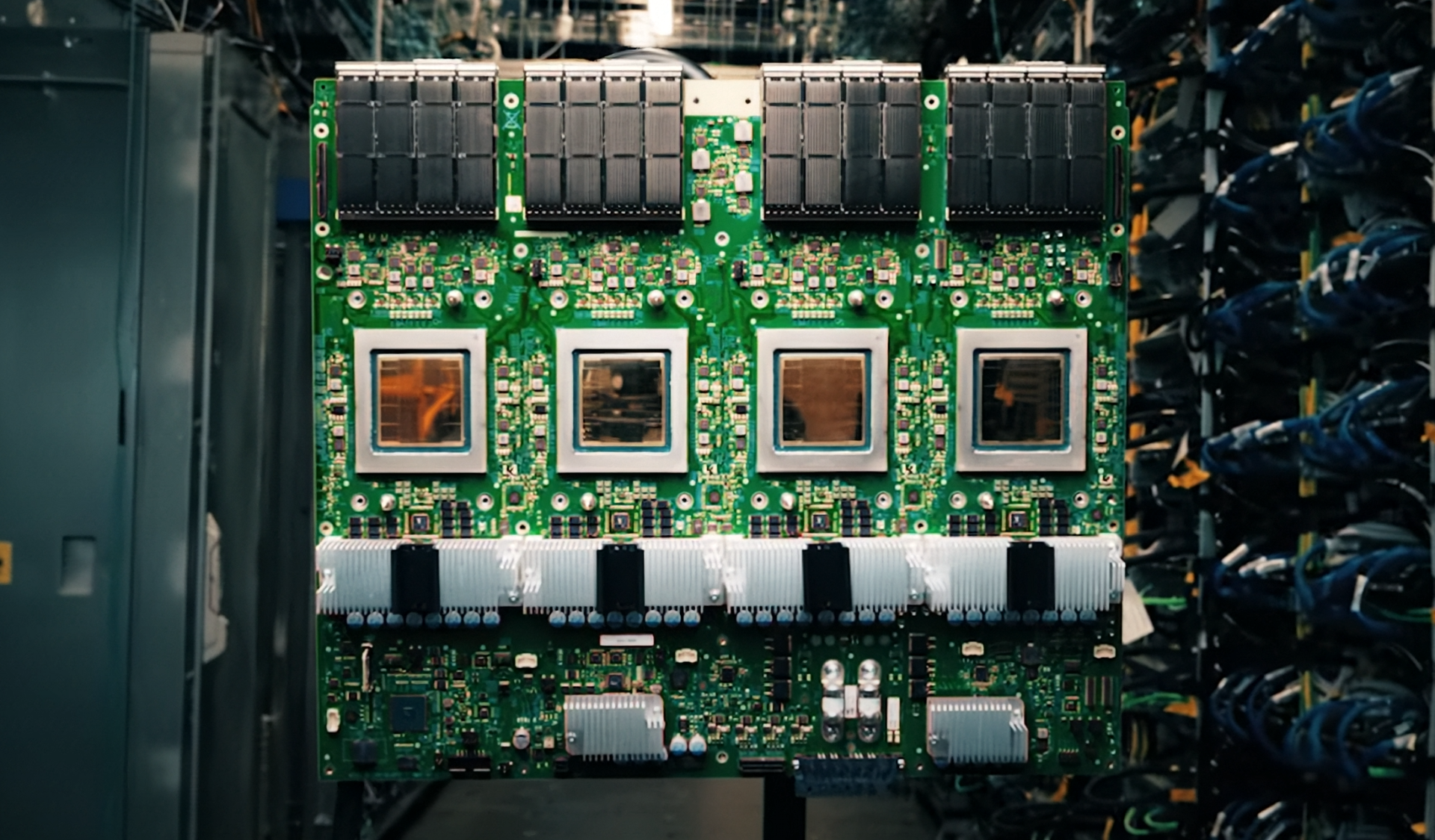
A small business owner running local machine learning models on a Ryzen AI-powered laptop may soon see more efficient performance under Linux. The forthcoming Linux 7.1 kernel is set to introduce expanded support for AMD's Ryzen AI neural processing units (NPUs), including power monitoring and real-time busy metrics that could benefit developers and users alike.
AMD's NPUs, designed for AI workloads, have historically seen slower adoption on Linux compared to Windows. The new AMDXDNA driver will expose power and usage metrics through DRM_IOCTL_AMDXDNA_GET_INFO, providing deeper insights into hardware utilization—useful for scheduling AI tasks and optimizing local large language model (LLM) performance.
These changes are expected to land in Linux 7.1, following the release of version 7.0, which is currently in development with a target window between April and May. While Linux 7.0 is anticipated to bring significant improvements in cache and memory handling, 7.1 will focus on refining NPU integration.
For small businesses or developers working with AI workloads, this could mean better compatibility and efficiency when running local models. However, the practical impact remains tied to software ecosystem maturity—current NPUs may lack the compute power for broader adoption outside niche use cases.
The update also touches on AMD's RDNA architecture, hinting at future GPU advancements with 384-bit memory buses and HDMI 2.1 support. While these features are still in development, they signal a long-term push toward more integrated AI acceleration in both NPUs and GPUs.
For now, users should watch for Linux 7.1's release to see how these changes perform in real-world scenarios. The bigger question remains: will NPUs become mainstream tools, or will they stay confined to specialized hardware?