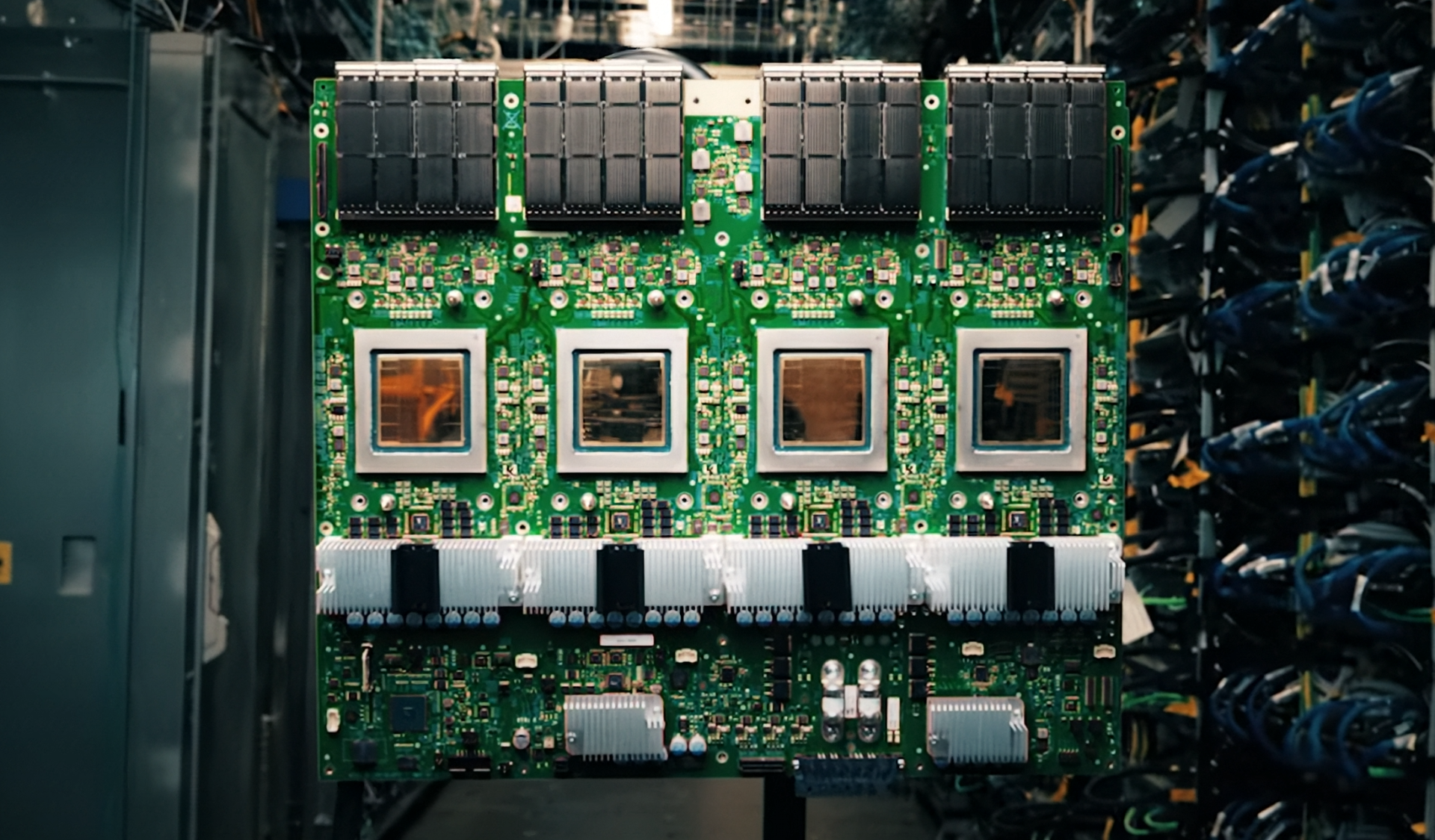
A server room packed with Blackwell-based PCIe cards faces a critical challenge: how to cool dense hardware without the complexity or hazards of traditional liquid cooling. ZutaCore’s latest innovation addresses this head-on with a waterless two-phase cooling system designed for high-performance, high-density environments.
This approach leverages a sealed, non-toxic working fluid that transitions between vapor and liquid states within a closed loop, dissipating heat without the need for water pumps or plumbing. The system is engineered to work seamlessly with Blackwell-based PCIe servers, offering thermal performance on par with traditional liquid cooling but without the associated infrastructure overhead.
Key Specifications
- Sealed, waterless two-phase cooling loop using a non-toxic working fluid.
- Designed for Blackwell-based PCIe server architectures.
- Thermal performance comparable to traditional liquid cooling systems.
- No requirement for external water pumps or plumbing, reducing installation complexity.
The system’s design minimizes maintenance while maximizing heat dissipation efficiency. Unlike conventional air or single-phase liquid cooling, the two-phase approach allows for higher power densities by efficiently managing thermal gradients across the server hardware. This is particularly valuable in edge computing and high-performance data center scenarios where space and power constraints are tight.

Why It Matters
For IT teams operating in high-density server environments, this solution removes a significant barrier to scaling performance. Traditional liquid cooling systems often require extensive infrastructure—water supply lines, pumps, and monitoring systems—that add complexity, cost, and potential failure points. ZutaCore’s approach eliminates these dependencies while delivering comparable thermal performance.
Additionally, the absence of water in the loop reduces risks associated with leaks or environmental exposure, which is critical for data centers prioritizing reliability and safety. The system’s compatibility with Blackwell-based PCIe servers further broadens its applicability, making it a viable option for next-generation workloads that demand both performance and efficiency.
What to Watch Next
The immediate focus will be on real-world deployment metrics, particularly how the system performs under sustained high loads. IT teams evaluating this solution should assess whether the sealed loop’s thermal consistency matches theoretical claims, especially in edge or remote locations where maintenance access may be limited.
For buyers, the key question is whether the elimination of water-based cooling infrastructure outweighs any potential trade-offs in long-term reliability or scalability. Early adopters will likely include organizations with high-density server footprints that need to balance performance with operational simplicity.