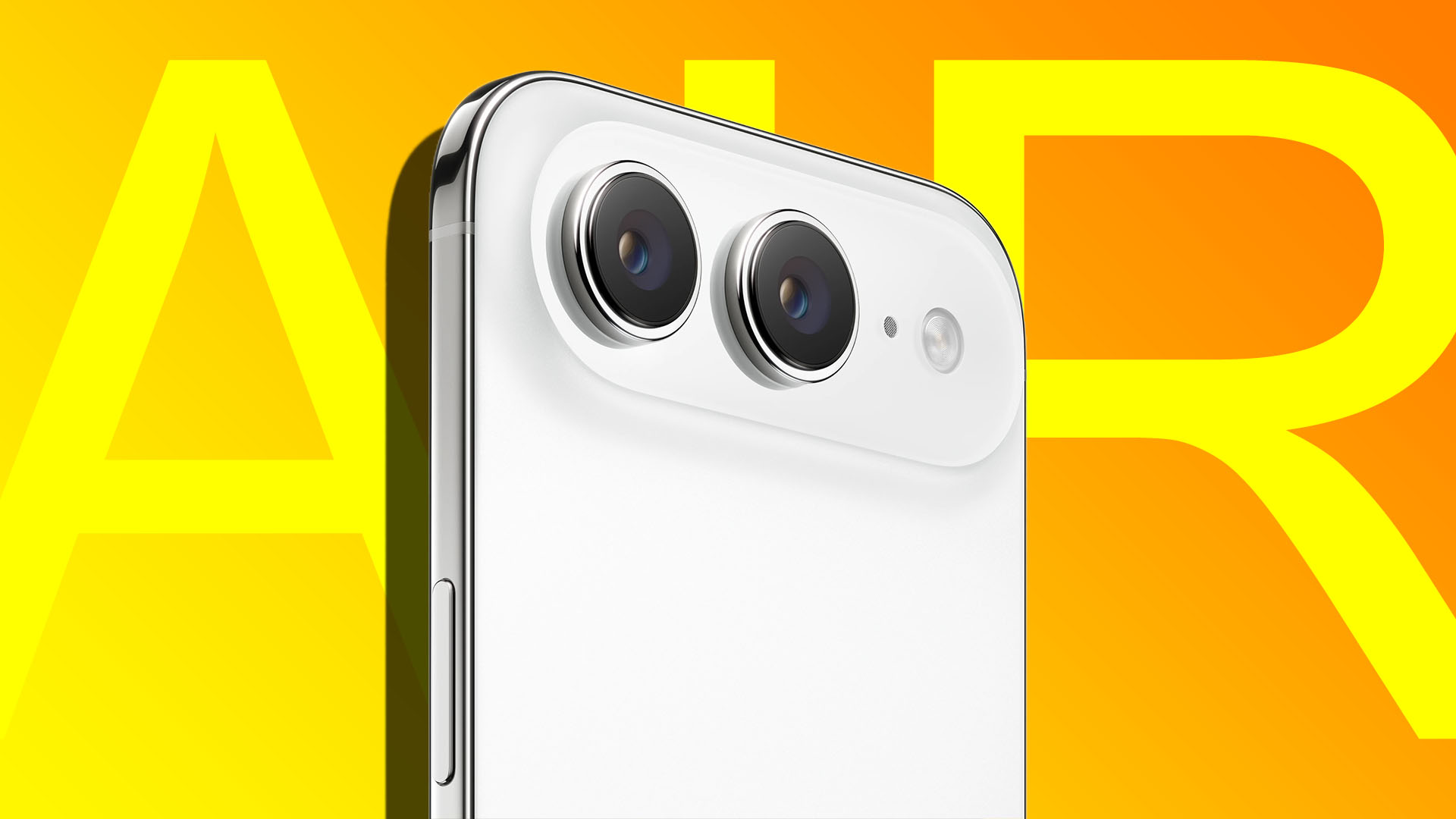
Apple is poised to reintroduce a ultra-thin iPhone variant in spring 2027, a category that has largely been absent from its lineup for years. This model, codenamed 'iPhone Air 2,' aims to revive interest in lightweight smartphones by addressing two major pain points: battery life and processing power.
Unlike previous compact models, the iPhone Air 2 will not simply shrink existing hardware. Instead, it will feature a redesigned aluminum frame—thinner than its predecessor yet more durable—and an optimized chipset designed to deliver near-flagship performance without sacrificing efficiency. The trade-off, however, is whether Apple can fit enough battery capacity to sustain a full day of use while keeping the device under 150 grams.
Key upgrades: What changes and why it matters
- Redesigned chassis: A new aluminum frame that is both thinner (7.3 mm) and more rigid, reducing flex concerns seen in earlier compact models while maintaining a weight under 150 grams.
- Improved battery life: A larger battery (2,800 mAh) paired with a more efficient chipset, targeting up to 14 hours of video playback—a notable jump from the previous generation’s 10-hour mark.
- Performance boost: A custom silicon chip (likely an A-series variant) that balances power and thermal management, avoiding the overheating issues that plagued earlier compact iPhones under heavy use.
The challenge for Apple is clear: thin devices inherently limit battery size, yet users expect the same endurance as larger phones. The iPhone Air 2’s battery will be one of the largest relative to its size ever seen in a non-pro model, but it remains to be seen whether this will translate to real-world improvements without compromising other components.
Who is this for?
The iPhone Air 2 is not aimed at power users or those who prioritize camera performance. Its target audience is clear: consumers who value portability above all else, such as frequent travelers or professionals who carry multiple devices. The slim design also positions it as a lifestyle product—something that can be carried in a pocket without bulk.
However, the trade-offs are evident. While the battery life upgrade is substantial, it may still fall short of what users expect from modern smartphones. Additionally, the lack of ProMotion display or advanced camera features means this device will not appeal to those seeking cutting-edge multimedia capabilities. For small businesses or professionals who rely on long battery life and a lightweight form factor, the iPhone Air 2 could be a compelling option—but only if Apple can deliver on its promises without sacrificing other essential functions.
Where does it stand now?
As of now, no official pricing or availability details have been confirmed. If past trends hold, this model will likely launch at a premium price point, positioning itself above the standard iPhone SE but below the Pro lineup. Its success hinges on whether Apple can strike the right balance between form and function—a task that has eluded even its flagship models in recent years.
For buyers, the decision comes down to priorities: Is portability worth sacrificing battery life or other features? The iPhone Air 2’s redesign offers a fresh take on what a slim smartphone can be, but it remains an experiment. Whether it restores faith in the form factor—or becomes another footnote—will depend on how well Apple executes its vision.