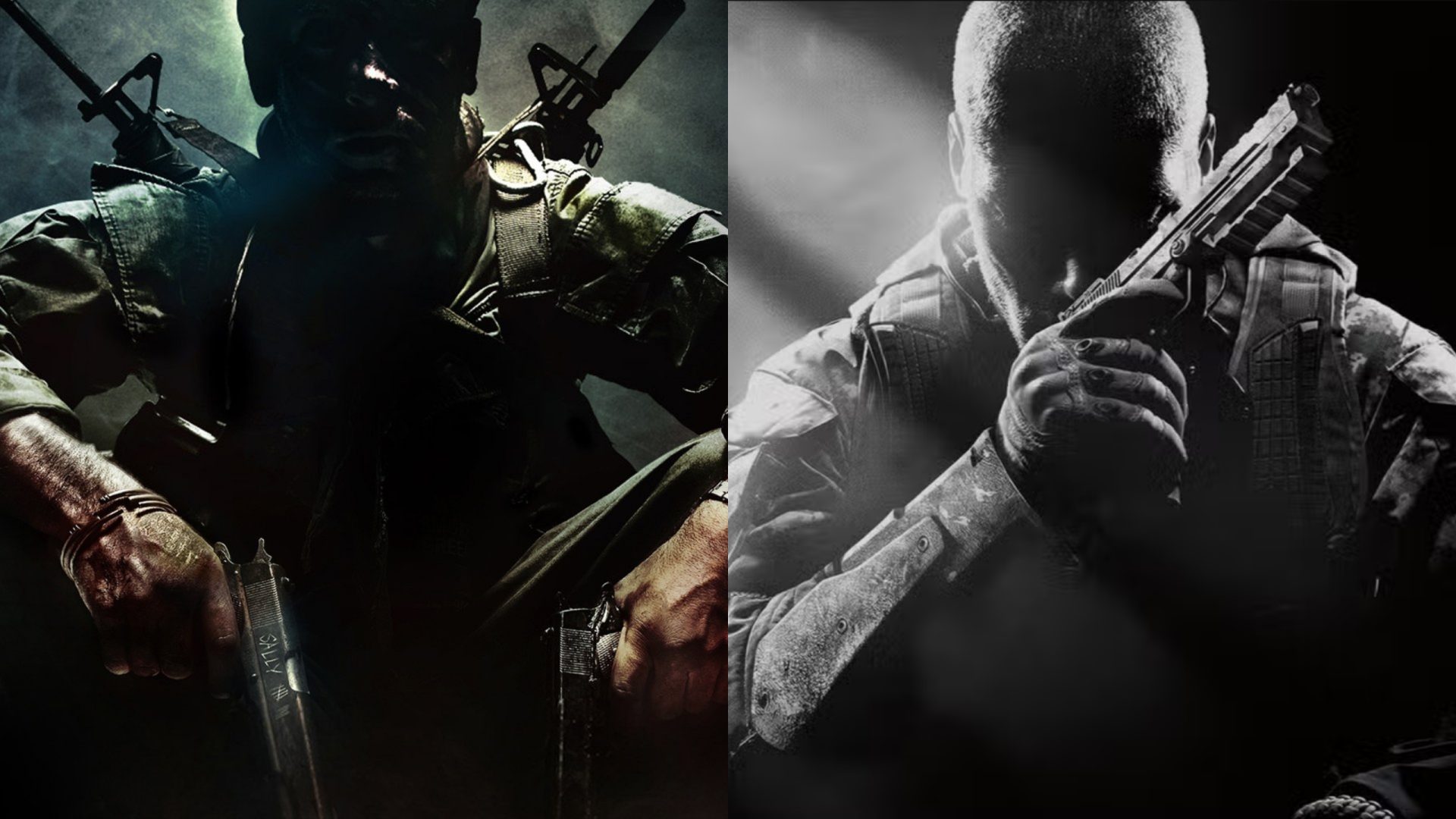
Call of Duty: Black Ops and its sequel, Black Ops 2, will soon join the PS5 library, marking a significant leap forward for fans who demand next-gen performance from their favorite shooters.
The upcoming ports promise to deliver these classics at up to 120 frames per second on PS5, with load times slashed by half—a stark contrast to their original releases more than a decade ago. For small businesses in the esports or gaming content space, this could mean longer sessions without hardware strain, but the real question is whether the ports will justify the upgrade for teams already invested in high-end setups.
Black Ops (2010) and Black Ops 2 (2012) were built on a foundation of multiplayer innovation that still holds up today. Their arrival on PS5 follows a pattern seen with other remasters, but this time the focus is on fluidity rather than graphical overhauls. The original games featured a mix of historical and futuristic settings, campaign modes, and a robust multiplayer experience that set the standard for the series.
At its core, the tradeoff is clear: higher performance comes with no additional cost to players, but it also means missing out on native PS5 features like haptic feedback or dualSense optimizations that newer titles leverage. For small businesses running gaming tournaments or streaming setups, this could be a deciding factor when weighing whether to upgrade existing hardware.
Key details for the ports include
- Up to 120 FPS performance on PS5 (confirmed for multiplayer modes).
- Load times reduced by approximately 50% compared to PS4 versions.
- No new content or major graphical upgrades—focus remains on stability and speed.
- Expected release window aligned with other Call of Duty remaster projects, though no exact date has been set.
The ports are being handled by Treyarch, the original developer behind both games, under the banner Iron Galaxy. This ensures continuity in development quality, but it also means players won’t see the same level of next-gen enhancements as seen with modern Call of Duty titles on PS5.
For businesses, the decision to adopt these ports hinges on two factors: hardware longevity and audience expectations. If a team’s current setup can handle 120 FPS on PS4 but lacks the storage or power for newer games, the Black Ops ports could act as a temporary bridge. However, if future-proofing is the priority, investing in a full PS5 upgrade might be necessary to stay competitive.
The most important change here isn’t just higher frame rates—it’s the validation of older titles receiving performance upgrades without cost. This sets a precedent for how smaller studios or indie developers could approach legacy game optimizations in the future, blurring the line between remaster and next-gen upgrade.