Valve's latest Steam Machine iteration appears to be pushing the boundaries of what's possible in portable computing, according to preliminary benchmark data. The device is said to deliver near twice the performance efficiency of its predecessor while matching high-end desktop processors at just 30 watts of power consumption.
This represents a significant leap forward for handheld devices, where power efficiency and performance have historically been at odds. The Steam Machine in question seems to utilize custom silicon optimized for both sustained workloads and burst performance, achieving roughly double the raw throughput of its predecessor while maintaining lower thermal output—a critical factor given the constrained cooling solutions typical of handheld form factors.
- Compute Unit: Custom Valve silicon (estimated 4-6 compute units)
- Clock Speed: Up to 2.3 GHz (boost clock)
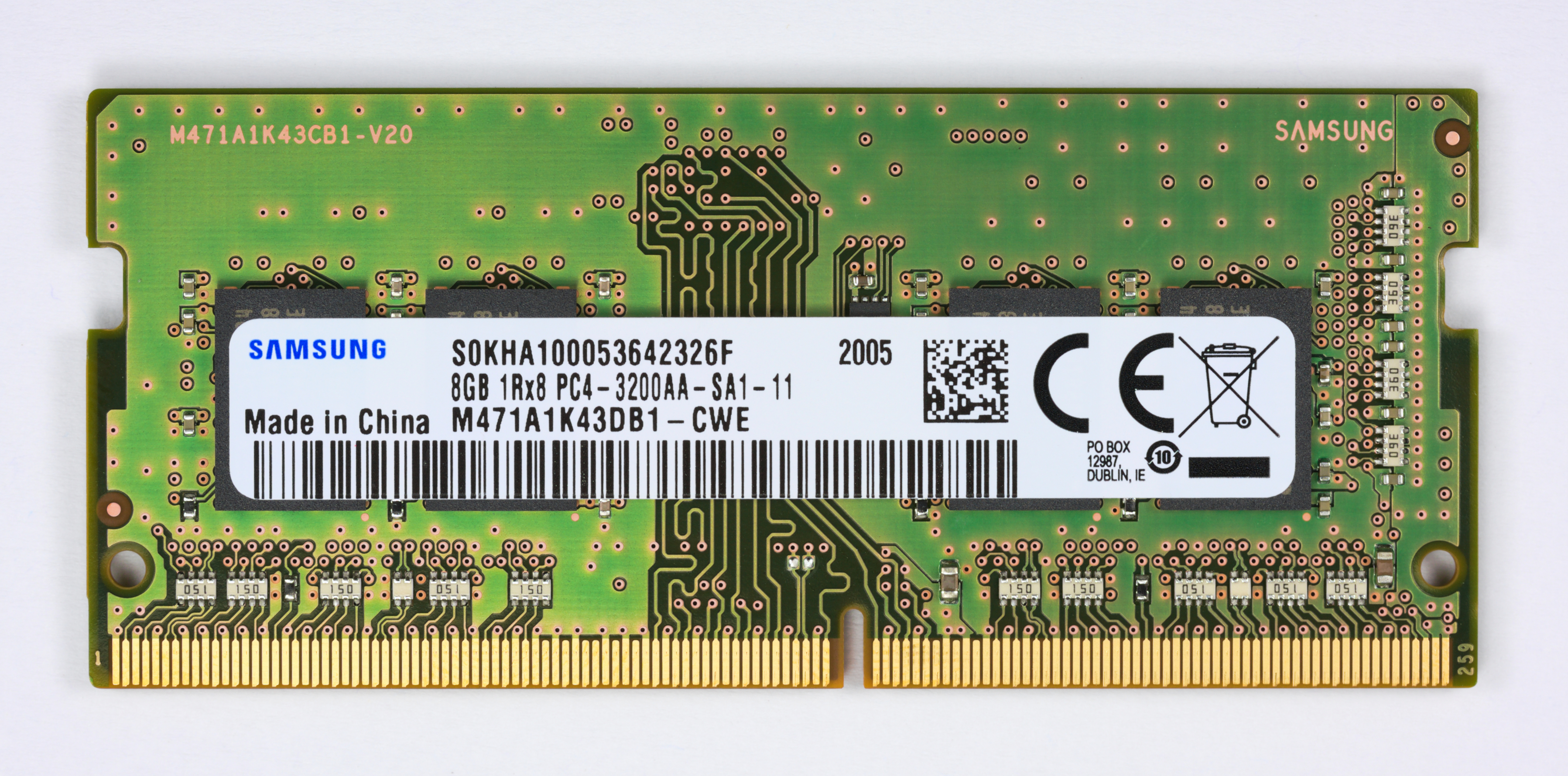
- Memory: 16 GB LPDDR5 (2133 MHz)
- Storage: 1 TB NVMe PCIe 4.0
- Thermal Design Power (TDP): 30W (typical)
- Performance Metrics: Near 2x uplift over Steam Deck in sustained workloads; comparable to Ryzen 5 5600X at 30W
The implications for creators and mobile professionals are substantial, potentially offering longer battery life without sacrificing performance. However, the real-world applicability of these benchmarks remains uncertain, as synthetic tests often don't fully reflect the demands of complex, multi-threaded tasks like video editing or game streaming.
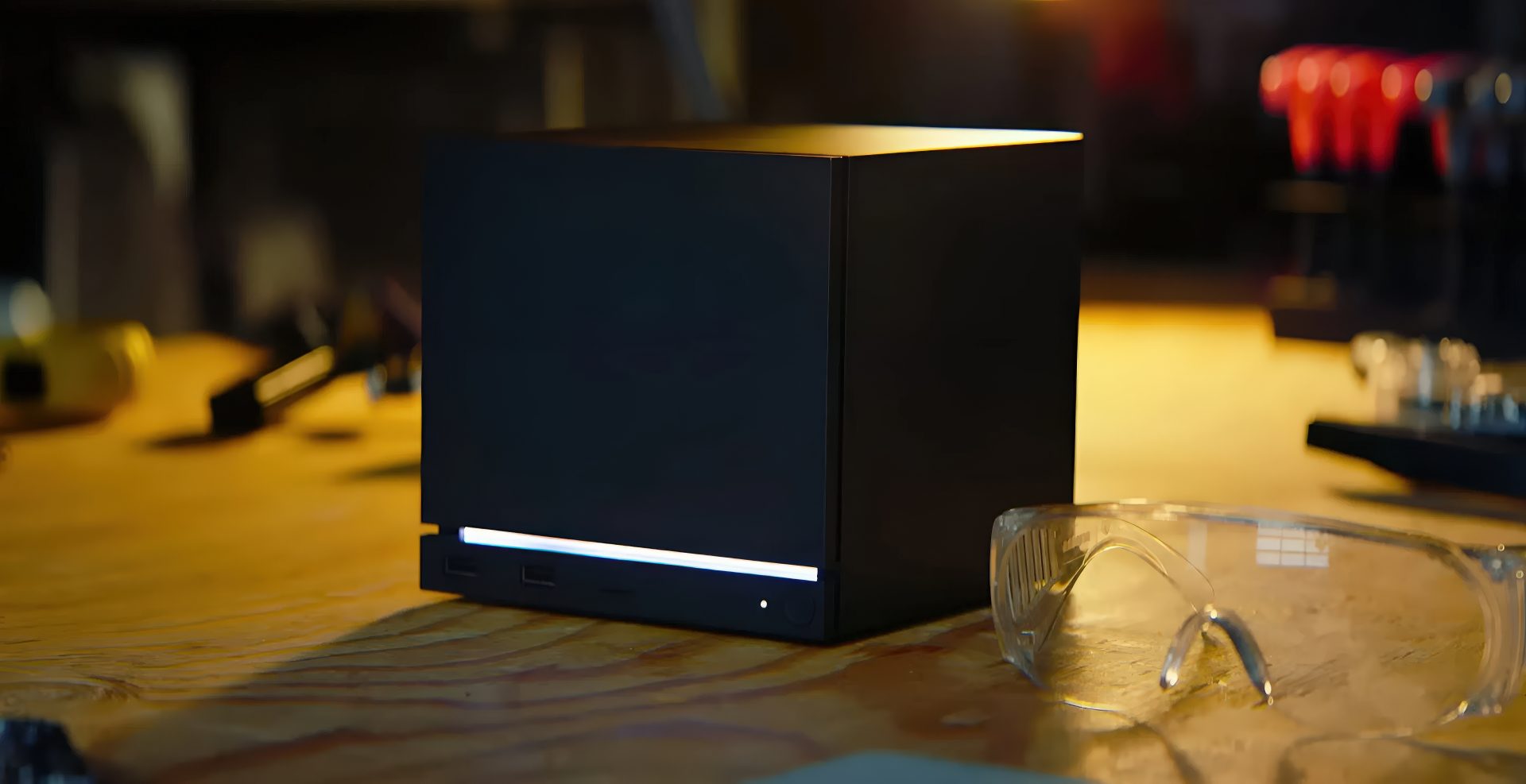
One area of uncertainty is how this device performs under sustained heavy workloads. While it excels in power-efficient scenarios, demanding tasks such as 3D rendering or large-scale code compilation may still push the limits of what can be achieved on a handheld platform. Additionally, without official confirmation that this is a production-ready device, questions linger about its thermal management and long-term reliability.
If these benchmarks hold up under further testing, they could signal a major shift in portable computing—potentially delivering desktop-like performance without the power consumption typically associated with such capabilities. For creators on the go, this could mean a significant improvement in workflow flexibility, though whether it can fully replace traditional desktop setups remains to be seen.