Apple is preparing one of its most significant visual overhauls for the iPhone 16 series, promising a device that stands out on the shelf while maintaining the robustness consumers have come to expect. While rumors about a radical redesign have been circulating, concrete details remain scarce, leaving questions about how Apple will balance innovation with its signature durability.
What’s clear is that Apple isn’t backing down from its commitment to durability. Reports suggest the iPhone 16 will retain the reinforced glass construction and water resistance ratings of its predecessors, indicating a focus on practicality even as the form factor evolves. This raises an interesting question: Can Apple redefine the look of its flagship without compromising the resilience that has been its hallmark?
Key Specifications and Tradeoffs
- Display: 6.1-inch Super Retina XDR OLED with 2556 x 1179 resolution, supporting HDR and Dolby Vision.
- Chipset: Apple A18 Pro, likely built on a 3nm process, featuring CPU clock speeds up to 4.0 GHz.
- Memory: 8GB unified memory, using LPDDR5X or LPDDR6 depending on the variant.
- Storage: 128GB to 1TB options, expected to leverage Apple’s in-house NAND technology.
- Cameras: Dual 48MP sensors (main and ultra-wide) with improved sensor shift, alongside a 12MP front-facing camera. Features include Night mode and ProRes video support.
- Battery: Estimated 3,500mAh capacity with enhanced efficiency, potentially enabling faster charging speeds.
- Connectivity: 5G (sub-6GHz and mmWave), Wi-Fi 7, Bluetooth 5.4, and UWB for AirTag compatibility.
- Durability: IP68 water resistance (up to 6 meters for 30 minutes), with reinforced front and back glass using Ceramic Shield technology.
The specifications reveal a device that is both powerful and efficient, but they also hint at subtle tradeoffs. The shift to a 3nm process for the A18 Pro suggests a focus on performance per watt—a critical factor for AI workloads and extended battery life. However, this efficiency gain introduces challenges in thermal management, which could influence sustained real-world performance.
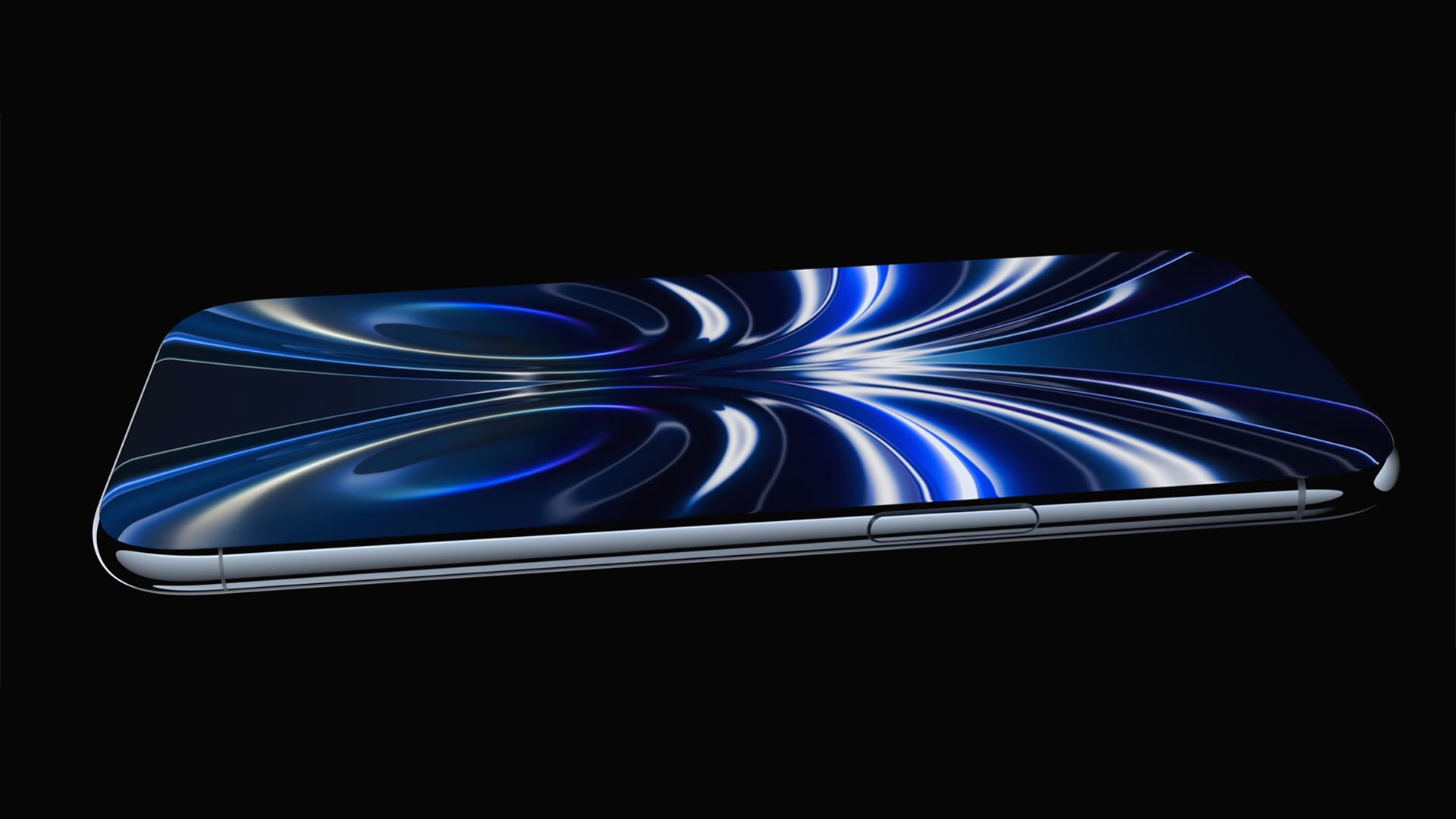
On the design front, the move to a larger 6.1-inch display (up from 5.8 inches on the iPhone 15 Pro) is notable but raises questions about how Apple will manage bezel sizes and structural integrity. While Ceramic Shield glass enhances durability, it may not match the scratch resistance of some competitors, hinting at a subtle tradeoff between aesthetics and practicality.
The Broader Implications for Consumers
- For data and AI workloads, the iPhone 16 series could be a strong contender, thanks to its expected improvements in chip efficiency and camera capabilities.
- Buyers must weigh these advancements against Apple’s durability standards, which may limit certain innovations while ensuring reliability.
The decision to maintain the same water resistance rating suggests that, despite a fresh exterior, the device’s core engineering principles remain unchanged. This continuity is both reassuring and limiting—it guarantees the reliability consumers expect but may leave some questioning whether Apple is truly pushing boundaries or merely refining what already works.
Availability and pricing details are still under wraps, but the iPhone 16 series will likely arrive amid supply chain complexities, including potential shortages of advanced glass and memory chips. Buyers should brace for possible delays or premium pricing if Apple prioritizes quality over cost in its pursuit of durability.
The iPhone 16 series may not represent a revolutionary leap, but it could very well embody Apple’s most thoughtful evolution yet—a harmonious blend of new and familiar, designed to meet the demands of both form and function without sacrificing either.