Windows updates used to be a source of frustration: forced restarts, unexpected slowdowns, and the occasional broken feature. But with the latest Windows 11 update, Microsoft has introduced a level of control that feels like a step toward user autonomy—without compromising security.
The change is subtle but significant. Users can now pause updates for up to seven days, schedule them during off-peak hours, and track their progress in real time. It’s not just about convenience; it’s about giving people back the sense that their system belongs to them, not the other way around.
Why this matters
For years, Windows updates were an exercise in patience. Users had little choice but to wait for Microsoft’s timeline or risk falling behind on security patches. Now, with these new controls, the experience feels more like a partnership: the user and the system working together, rather than one imposing its will on the other.
- Pause updates for up to seven days
- Schedule restarts during off-peak hours
- Track update progress in real time
A shift in perspective
Enthusiasts and power users will notice the most immediate benefits. The ability to pause updates can be crucial for those running benchmarks, testing software, or managing complex workflows where interruptions are costly. For everyday users, however, the change is more about peace of mind—knowing that a forced restart won’t derail an important task or disrupt a family’s evening routine.
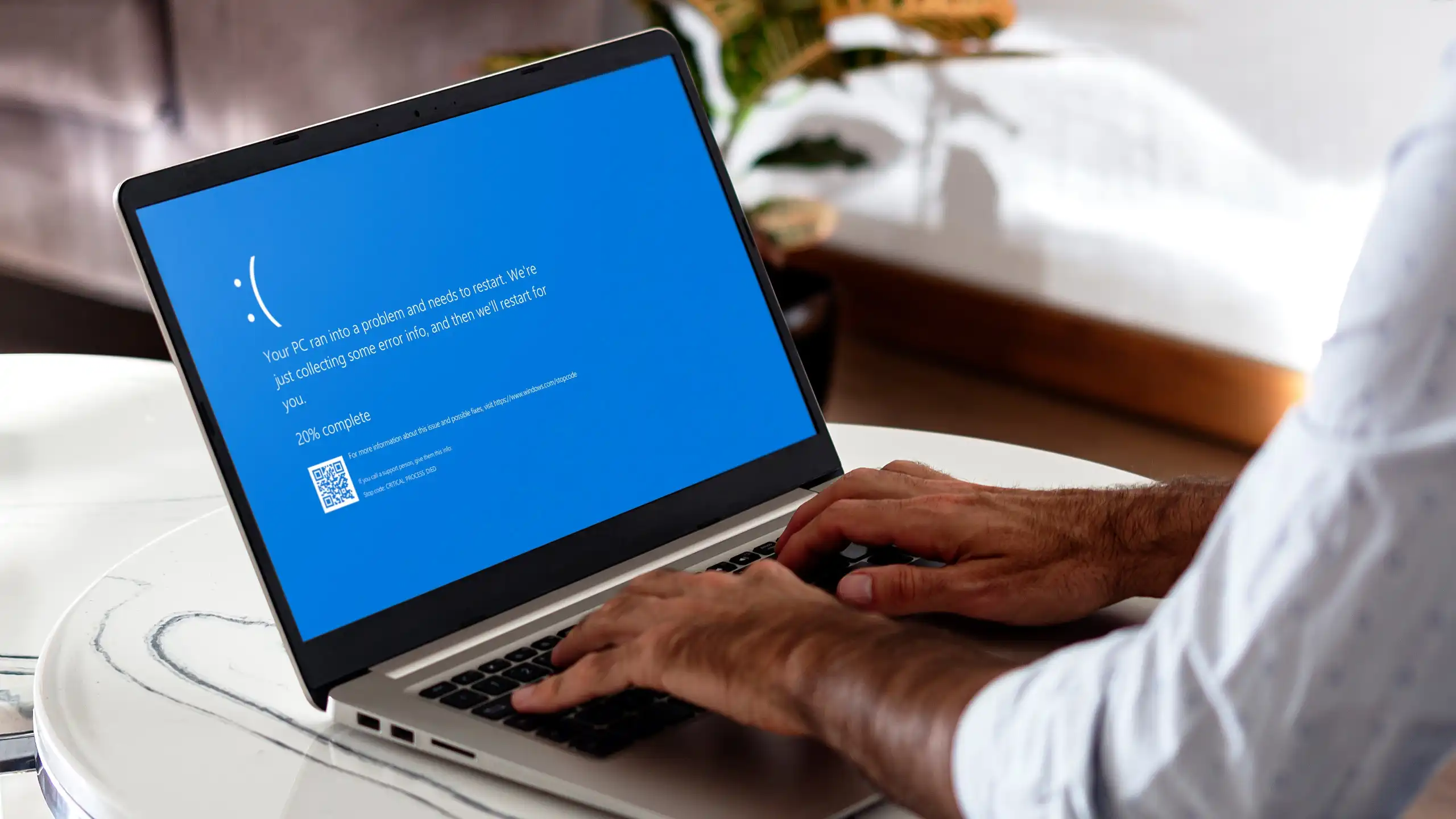
Microsoft has always emphasized security, and these controls don’t weaken that commitment. Updates still happen automatically if the system is locked, but users now have the flexibility to manage when they occur, as long as critical patches are applied on time.
The bigger picture
This isn’t just about tinkering with settings; it’s a broader shift in how operating systems interact with their users. Windows 11 is moving toward a model where updates feel less like an imposition and more like a tool that adapts to the user’s life, rather than the other way around.
For those who’ve grown accustomed to the old system, the change might not seem revolutionary at first glance. But over time, it could redefine what users expect from their operating systems—turning updates from a source of stress into something that works with them, instead of against them.
The next step will be seeing how widely these controls are adopted and whether other platforms follow suit. If they do, we might finally see the end of the days when updates felt like an unwelcome guest in our systems.