Nova Lake’s arrival isn’t just about raw performance—it’s about Intel’s willingness to abandon the past. The architecture’s most radical feature, a massive last-level cache (bLLC), could redefine how Intel chips handle memory bandwidth. But in an industry still grappling with DRAM shortages, even a breakthrough in efficiency might not translate to widespread availability. The bLLC, if executed flawlessly, could bridge the gap between Intel’s desktop chips and AMD’s X3D, where stacked cache delivers near-instantaneous data access. Yet without stable memory supplies, that advantage risks becoming theoretical.
The shift away from mid-range updates is the most telling sign of Intel’s new priorities. Arrow Lake, once positioned as a refresh for mainstream users, now appears to be a dead end. Intel’s focus on high-end desktops—where enthusiasts demand bleeding-edge performance—means budget-conscious buyers face a stark choice: stick with aging platforms or wait years for a chip that may not even exist in their price range. The financial stakes are clear: Intel’s Q4 revenue of $13.7 billion underscores the pressure to deliver, but the company’s strategy hinges on betting everything on a single architecture.
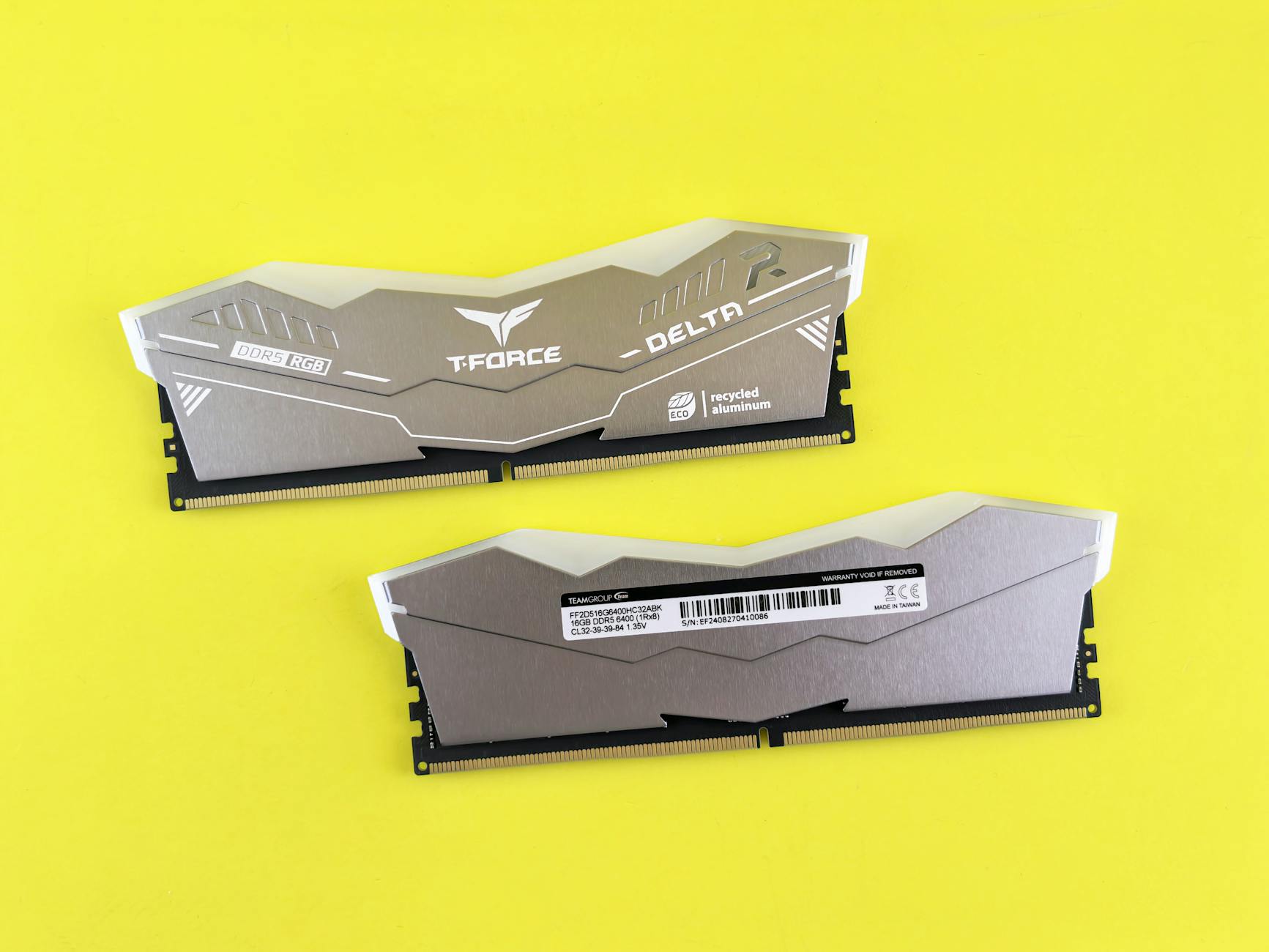
For gamers, the implications are immediate. Socket incompatibility isn’t just an inconvenience—it’s a financial barrier. A full platform upgrade, including a new motherboard, could cost upward of $600, a prohibitive expense for most. Meanwhile, AMD’s AM5 platform, with its promise of longevity, offers a stark contrast. Intel’s move forces users to question whether the performance gains justify the cost, especially when memory prices remain inflated. The risk? A market that rewards patience over impatience, leaving Intel’s high-stakes gamble in the balance.
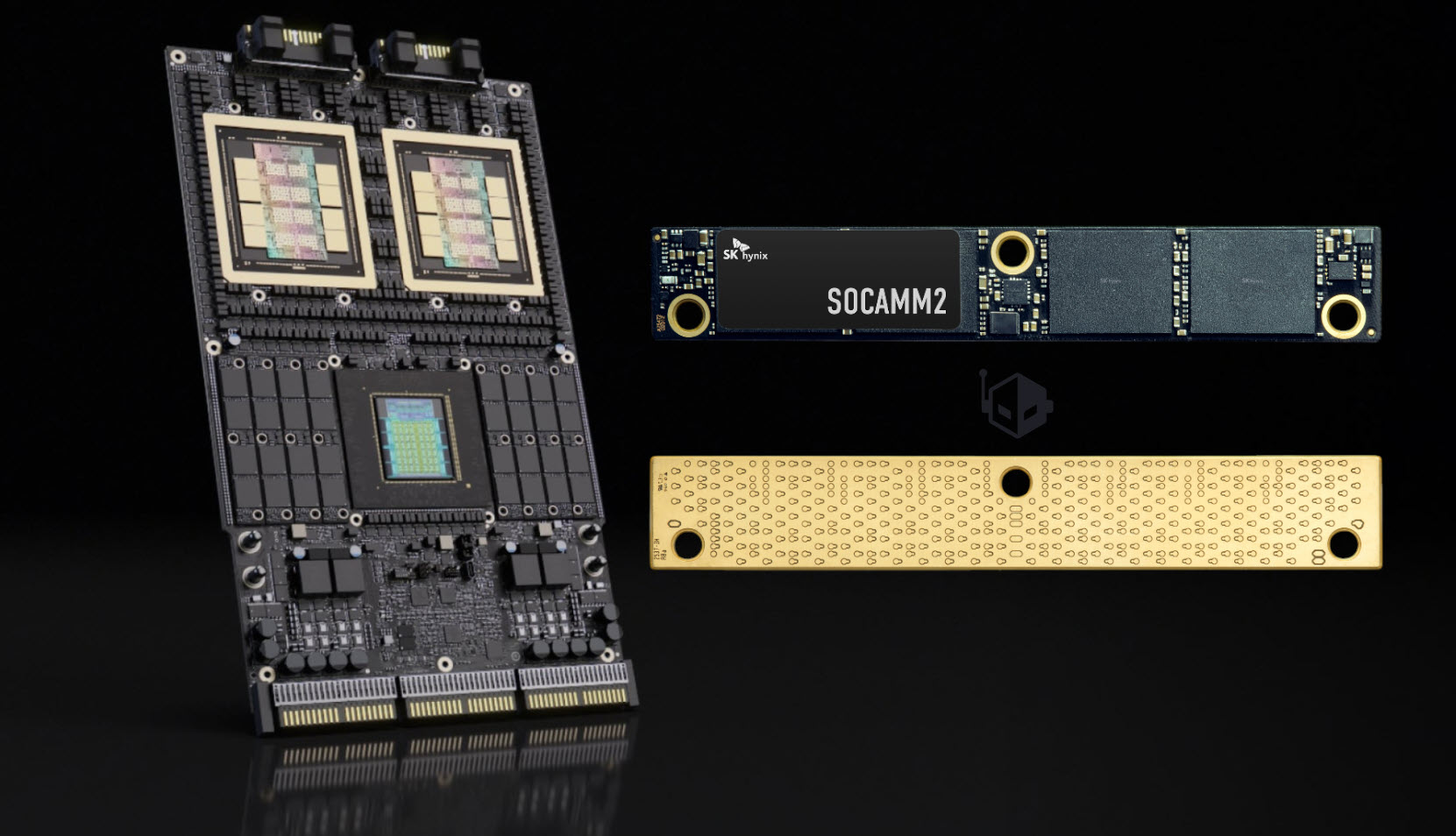
The datacenter angle adds another layer of complexity. Intel’s push into AI and high-performance computing (HPC) workloads suggests Nova Lake may prioritize server-grade efficiency over consumer-friendly features. If that’s the case, desktop users could find themselves an afterthought in Intel’s roadmap. The company’s recent struggles in the server market—where AMD’s EPYC has made significant inroads—only heighten the urgency to prove Nova Lake’s viability in both arenas.
Yet there’s a silver lining in Intel’s current lineup. Panther Lake, already powering ultra-thin laptops, delivers a 77% graphics performance boost over its predecessor, Lunar Lake. For mobile users, this could be a game-changer, especially in portable gaming and content creation. But for desktops, the wait for Nova Lake remains uncertain. Supply chain bottlenecks, if unresolved, could push the launch further into 2027, leaving Intel’s ambitions hanging in the balance.
The bottom line? Nova Lake is Intel’s last chance to reclaim the initiative. The architecture’s success hinges on three critical factors: delivering on bLLC performance, stabilizing memory supplies, and convincing users that the cost of upgrading is worth the long-term benefits. If Intel fails on any front, the company risks ceding further ground to AMD—a outcome that would mark the end of an era. For now, the only certainty is that the stakes have never been higher.
The final question isn’t whether Nova Lake will perform well—it’s whether Intel can execute. And in a market where timing is everything, that’s the real test.