Intel’s Lunar Lake mobile processors were supposed to redefine performance—but their success hinged on a risky bet: securing enough memory chips before the market collapsed. Now, with global DRAM prices still volatile and shortages lingering, the company claims it has enough LPDDR5X stockpiled to meet production demands, at least for the near term.
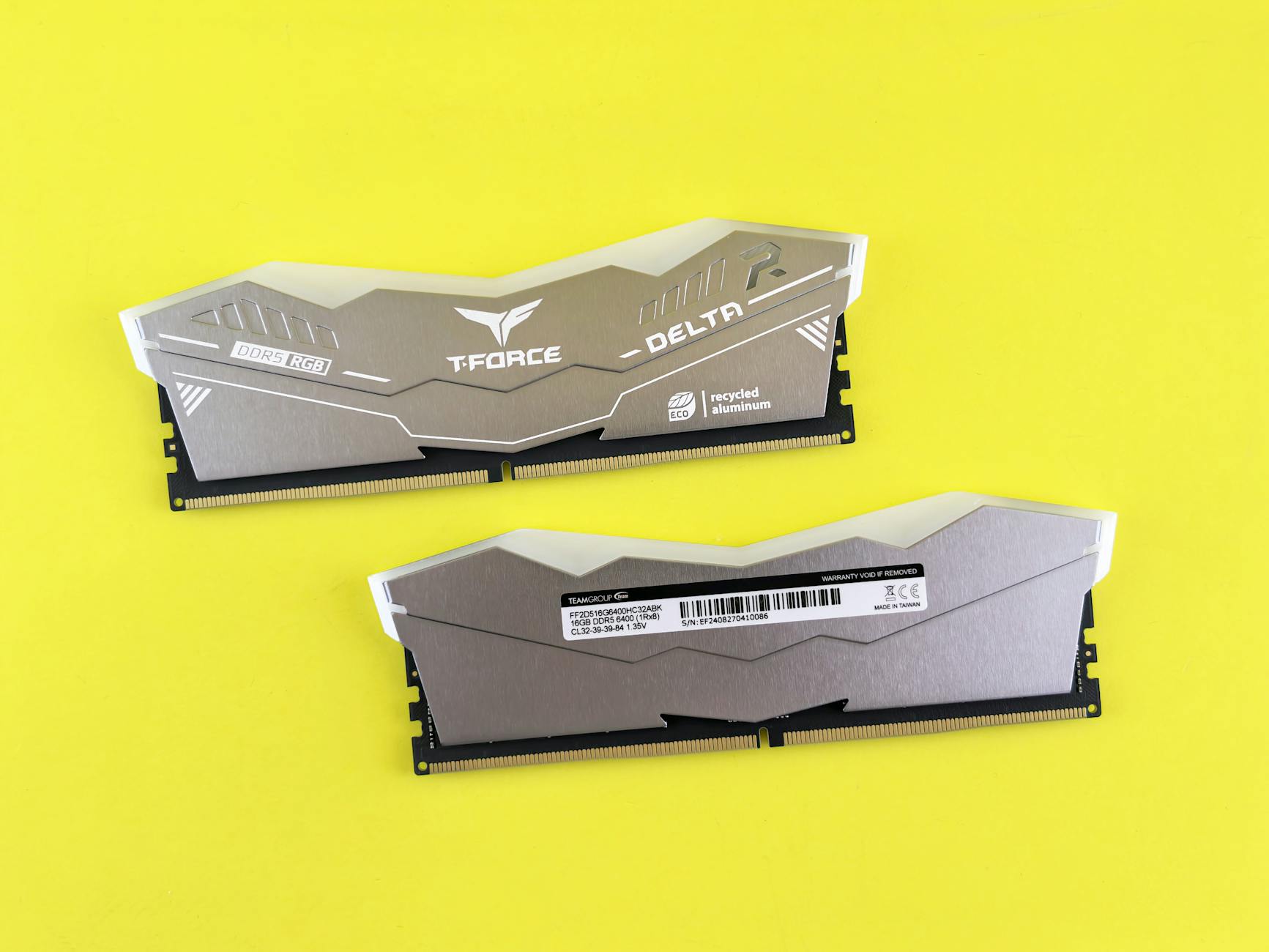
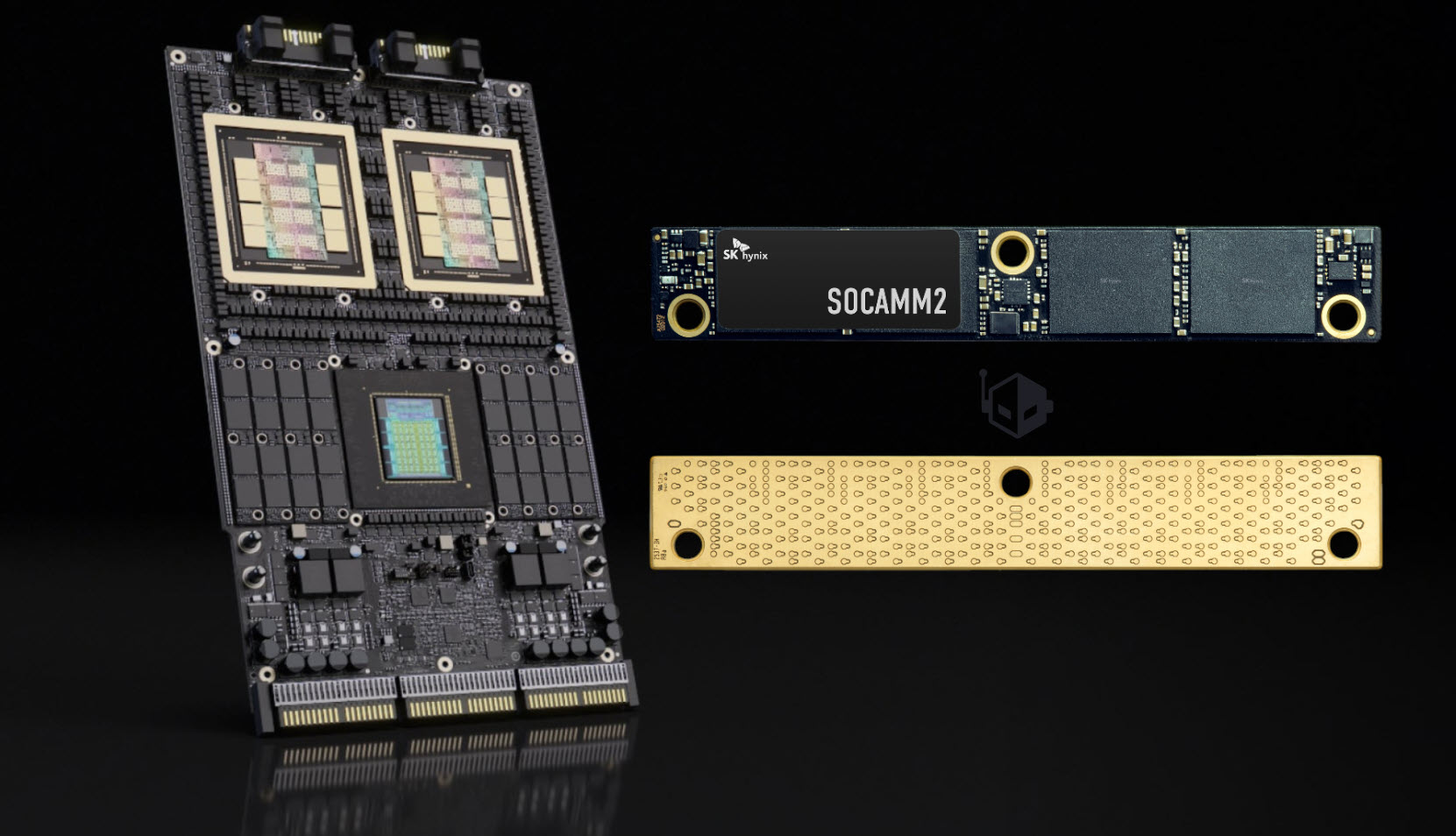
The gamble stems from Lunar Lake’s radical design. Unlike previous Intel chips, which relied on traditional off-package RAM, Lunar Lake integrates two LPDDR5X chips directly onto the processor package. The move promises faster data transfer speeds and thinner laptops, but it also means Intel must procure and manage memory supply chains typically handled by system manufacturers.
Earlier this year, concerns mounted as memory prices surged and availability tightened. Intel’s CFO acknowledged the challenge in recent financial disclosures, stating the company had taken an aggressive stance on securing memory early. While the strategy appears to have worked—for now—it’s not without consequences. On-package memory inflates production costs, squeezing gross margins. Analysts warn that any unexpected demand spike could force Intel to scramble for more expensive chips, further straining profitability.
This isn’t Intel’s first rodeo with memory shortages. The company has faced similar disruptions in the past, but Lunar Lake’s design amplifies the stakes. The integration of memory into the package was a deliberate choice, driven by performance gains and form-factor flexibility. However, it also locks Intel into a supply chain it doesn’t control.
The pressure to secure memory extends beyond Intel’s walls. Laptop manufacturers, already grappling with higher component costs, now face the prospect of passing those expenses onto consumers. With PC sales expected to remain volatile through 2025, the ripple effects could dampen demand for high-end systems—including those powered by Lunar Lake.
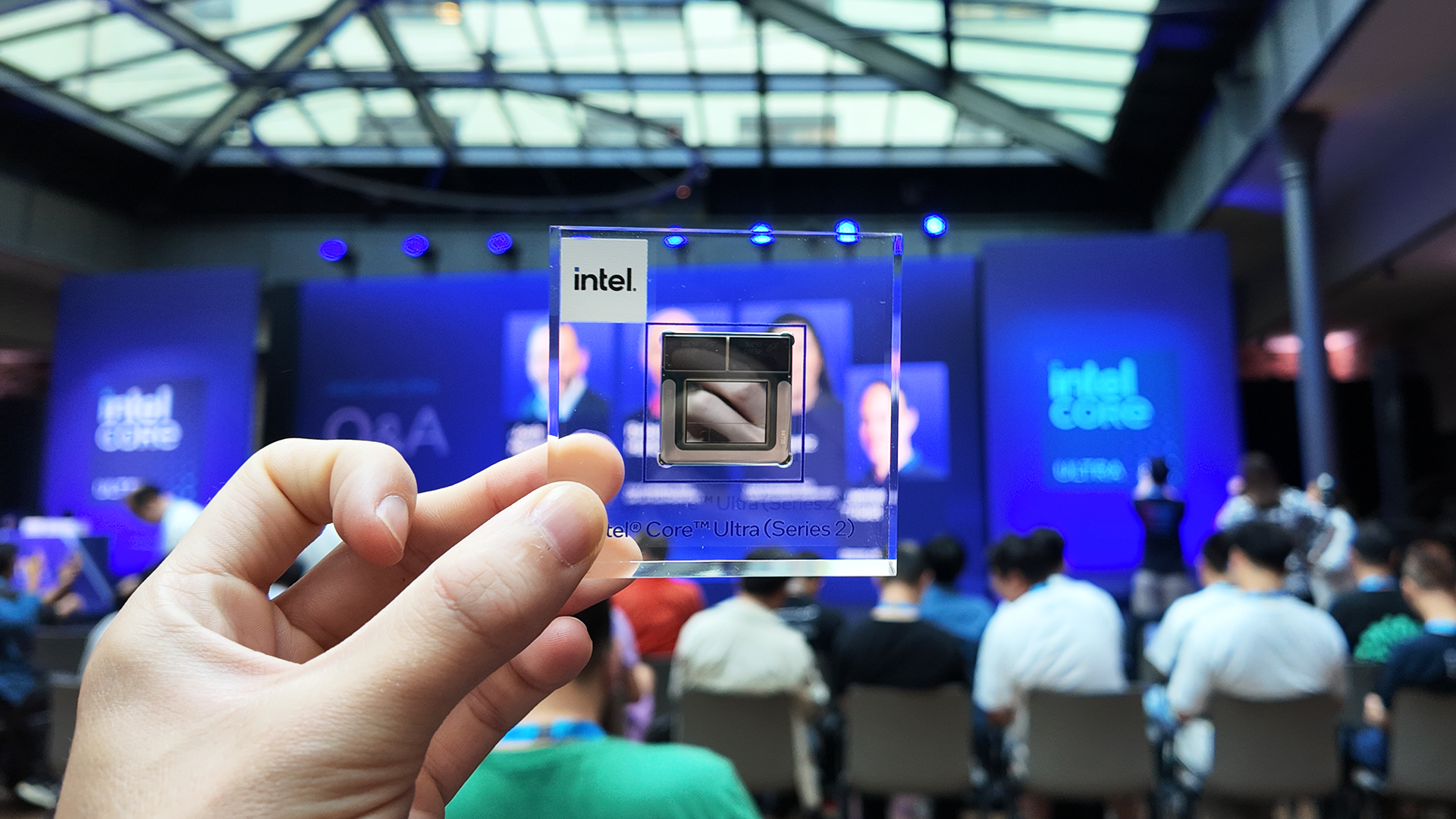
Looking ahead, Intel has already signaled a shift away from on-package memory for its next-generation chips, including Panther Lake. The company’s former CEO emphasized that Lunar Lake’s memory integration was a one-off experiment, with future designs reverting to traditional off-package configurations. For now, though, Lunar Lake remains Intel’s flagship—its success dependent on whether the memory gamble pays off.
Key Specs: Lunar Lake’s Memory Challenge
- Memory Type: Two LPDDR5X chips integrated on-package (unlike traditional off-package RAM).
- Impact on Costs: Higher production expenses due to additional packaging steps and memory procurement.
- Margin Pressure: On-package memory reduces gross margins compared to conventional designs.
- Supply Risk: Intel must manage DRAM supply independently, unlike most competitors.
- Future Shift: Panther Lake and successors will use off-package memory, returning to industry-standard practices.
For consumers, the implications are twofold. Lunar Lake’s integrated memory could deliver faster performance in ultra-thin laptops, but it may also lead to higher prices if memory costs continue climbing. Meanwhile, Intel’s ability to maintain supply will determine whether Lunar Lake’s full potential ever materializes.
The memory crunch isn’t just an Intel problem—it’s a industry-wide crisis. With no end in sight, the company’s early stockpiling may be its best defense against a market still in flux.