Intel’s supply chain is under siege—not by competition, but by its own customers. In a move that sent its stock plummeting 11% before markets opened, the company has begun redirecting production capacity from consumer and mobile chips to its Xeon lineup, where hyperscalers are demanding unprecedented volumes of high-core-count processors for AI and data center workloads.
The pivot comes as Intel’s wafer supply—already strained by the transition to advanced nodes—has been depleted faster than anticipated. While the company maintains it can still serve both markets, the shift will create temporary shortages for some client products, particularly those manufactured on Intel’s internal fabs.
The immediate impact is a bottleneck for Intel’s latest server chips, codenamed Granite Rapids and Sierra Forest, which are built on Intel 7 and Intel 3 processes. These nodes are now being funneled entirely toward Xeon production, leaving other client CPUs—such as those in the Arrow Lake series—vulnerable to delays unless external partners like TSMC can compensate.
Panther Lake, Intel’s newest mobile platform, is one exception. Manufactured on the 18A node, it remains unaffected by the reallocation. However, older client architectures relying on Intel’s internal foundry capacity may see reduced availability as inventory dwindles.
This isn’t the first time Intel has faced wafer shortages. Earlier in 2025, demand for Lunar Lake and Arrow Lake chips outpaced supply, forcing the company to ration production. Now, the pressure has intensified, with Intel’s CFO acknowledging that the first quarter of 2026 will mark the lowest point before gradual recovery in Q2. The challenge stems from a combination of hyperscaler orders and the depletion of finished goods stockpiles, which have shrunk to just 40% of their peak levels.
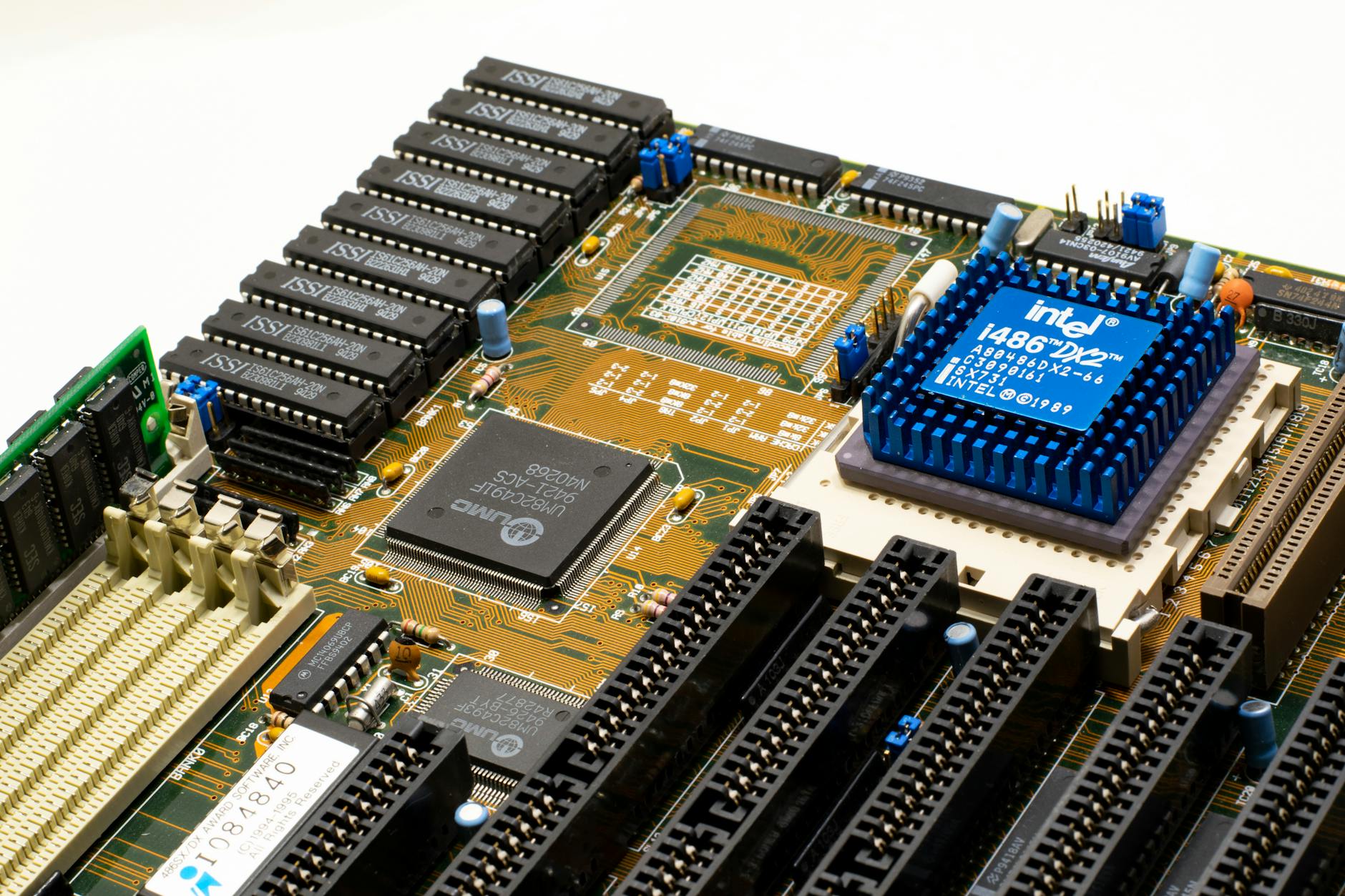
The reallocation underscores a broader industry trend: the data center is eating the PC market’s lunch. While Intel insists it won’t abandon client computing entirely, the message to consumers and businesses is clear—priorities have shifted. For now, those relying on Intel’s latest client chips may need to brace for longer wait times.
Key Specs and Implications
- Production Shift: Intel 7 and Intel 3 nodes now dedicated to Xeon 6 Granite Rapids/Sierra Forest CPUs.
- Unaffected Products: Panther Lake (18A node), Arrow Lake (TSMC-manufactured).
- Impacted Products: Older client CPUs relying on Intel’s internal fabs may face delays.
- Inventory Levels: Finished goods stockpiles at 40% of peak capacity.
- Supply Recovery: Expected improvement in Q2 2026, with Q1 as the trough.
The reallocation isn’t just a logistical hurdle—it’s a strategic realignment. Hyperscalers and AI-driven workloads are demanding more cores, not just more units, and Intel is playing catch-up. For businesses and gamers expecting Arrow Lake or other client chips, the news serves as a reminder: in today’s market, data center needs often come first.
Availability for affected client products remains uncertain, with Intel focusing on stabilizing Xeon supply. Pricing adjustments are not expected at this stage, but longer lead times are likely for high-demand models.