For system administrators and developers, the arrival of Nova Lake-S demands a strategic overhaul of hardware infrastructure. The LGA1954 platform introduces a 4-inch socket, a departure from the 3-inch LGA1851 standard, necessitating a full motherboard replacement. This shift isn’t just a physical change—it’s a systemic one. The new socket supports DDR5-6400 officially, though LPDDR5X remains the primary memory type for integrated graphics configurations. Admins managing multi-socket servers or high-end workstations will face a temporary void: Arrow Lake Refresh extends LGA1851 support, but only until Nova Lake-S’s launch, leaving no transitional socket for enterprises needing phased upgrades.
The absence of HyperThreading on P-cores introduces a critical constraint for workloads reliant on heavy multithreading, such as database operations or virtualization. While Intel’s 16P+32E configuration theoretically offers more raw cores than AMD’s Ryzen 9 9950X3D2, the lack of SMT could neutralize gains in latency-sensitive applications. Developers optimizing for Intel’s new architecture must recalibrate threading models, potentially leveraging the 32 efficiency cores for background tasks while offloading latency-critical operations to the P-cores. Early benchmarks suggest single-threaded performance improvements of up to 15% over Lion Cove, but real-world gains depend on workload distribution.
For AI workloads, the NPU’s Copilot+ compliance is a double-edged sword. While it enables on-device AI acceleration for tasks like real-time transcription or local LLMs, admins must ensure software stacks support Intel’s NPU API—currently in development. The Xe3 iGPU further complicates deployment: LPDDR5X memory, while faster, is less common in enterprise environments. Admins opting for high-end configurations may need to procure specialized motherboards supporting DDR5, adding complexity to procurement and inventory management.
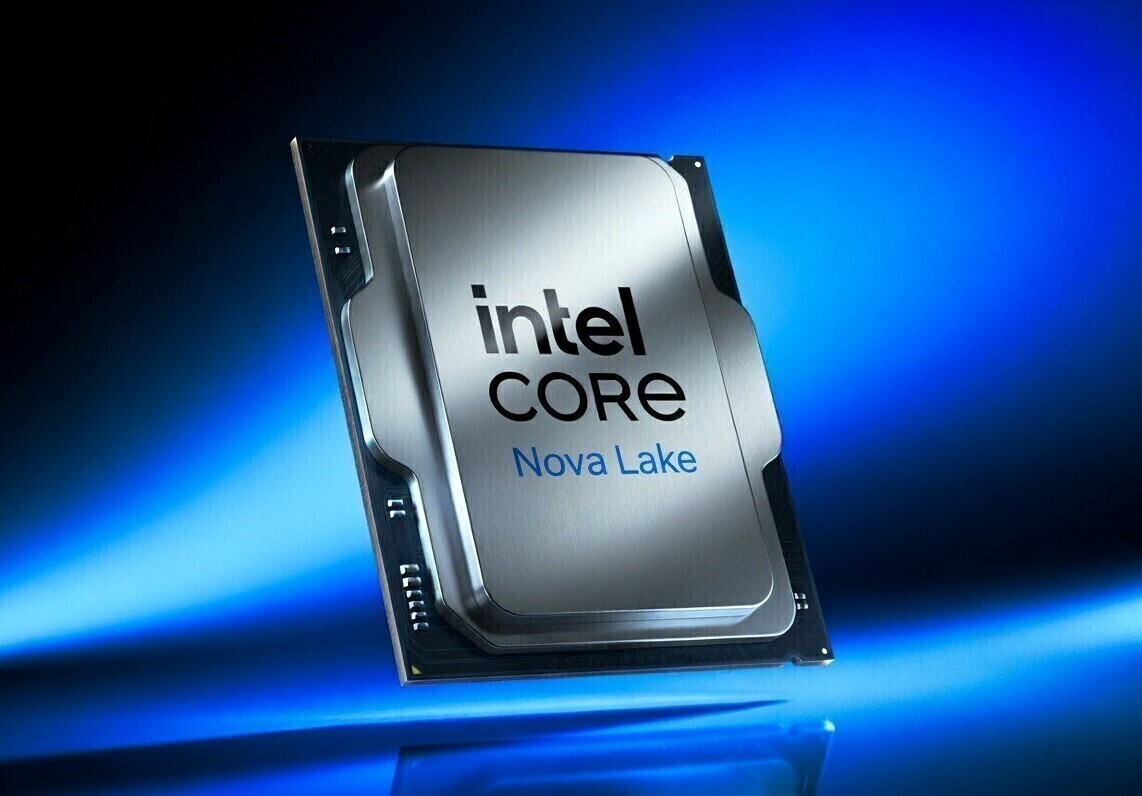
Gaming and productivity users will benefit from the bLLC cache, but admins must verify compatibility with existing software. Applications relying on large cache pools—such as CAD tools or high-resolution rendering engines—may see performance boosts, but latency-sensitive kernels must be recompiled for optimal cache utilization. The 200W TDP of flagship SKUs also requires reinforced power delivery, a non-trivial upgrade for older workstations.
Looking ahead, Intel’s roadmap hints at HyperThreading’s return in future generations, but Nova Lake-S sets a precedent: desktop architectures are evolving toward specialization. Admins should audit current workloads against the new core configurations, prioritize LGA1954 motherboards for future-proofing, and monitor NPU software support. The transition isn’t seamless, but for those who adapt, Nova Lake-S could redefine high-end computing—provided the ecosystem follows.
Deployment Checklist for Admins
- Socket Upgrade: Plan for LGA1954 motherboard replacements; no transitional socket available.
- Memory: Confirm LPDDR5X support for iGPU workloads; DDR5-6400 for CPU-bound tasks.
- Power Delivery: Upgrade to 200W+ PSUs for flagship SKUs.
- Software Compatibility: Test NPU and bLLC-optimized applications pre-launch.
- Threading Models: Reassess multithreaded workloads; efficiency cores may require workload rebalancing.
CES 2026 Implications: Intel’s announcement at CES 2026 will likely emphasize AI and gaming use cases, but admins should focus on the technical constraints. The platform’s arrival signals a shift toward unified memory architectures (LPDDR5X/DDR5) and AI-optimized silicon—a direction that will influence server and client roadmaps for years to come.
For developers, the message is clear: Nova Lake-S isn’t just an upgrade—it’s a reset. The absence of HyperThreading, the NPU’s unproven ecosystem, and the socket swap demand proactive planning. Those who treat it as a traditional refresh may find themselves locked into outdated architectures.