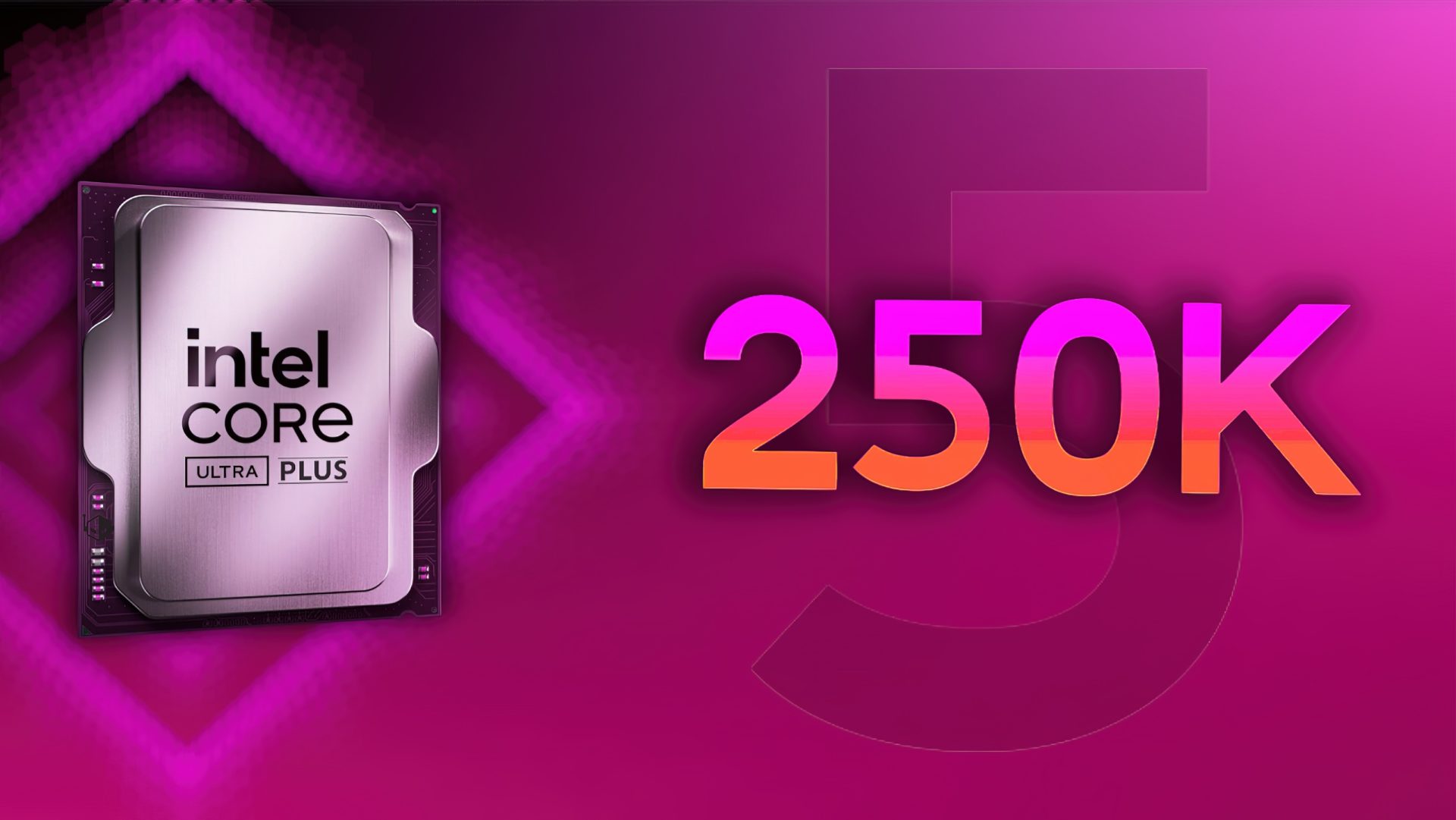
Intel’s Arrow Lake Refresh lineup is showing signs of significant improvement over its predecessor, with the Core Ultra 5 250K Plus leading the charge in multi-threaded performance. A second benchmark has revealed a nearly 6% increase in multi-core scores compared to earlier samples, suggesting that Intel may be delivering more than anticipated for this mid-range chip.
While gaming performance remains a question mark, the Core Ultra 5 250K Plus is emerging as a strong contender for productivity tasks. Its core configuration—18 cores with four additional E-Cores compared to the previous model—has already demonstrated a 16% uplift in multi-threaded performance over the Core Ultra 5 245K, and this latest benchmark pushes that advantage even further.
The new sample of the Core Ultra 5 250K Plus achieved 53,561 points in PassMark’s multi-threaded test, a figure that not only surpasses its predecessor but also positions it within striking distance of higher-tier models like the Core Ultra 7 265K. Single-threaded performance has also seen a modest 2% improvement, though the focus remains on multi-core efficiency—a critical factor for content creators and developers.
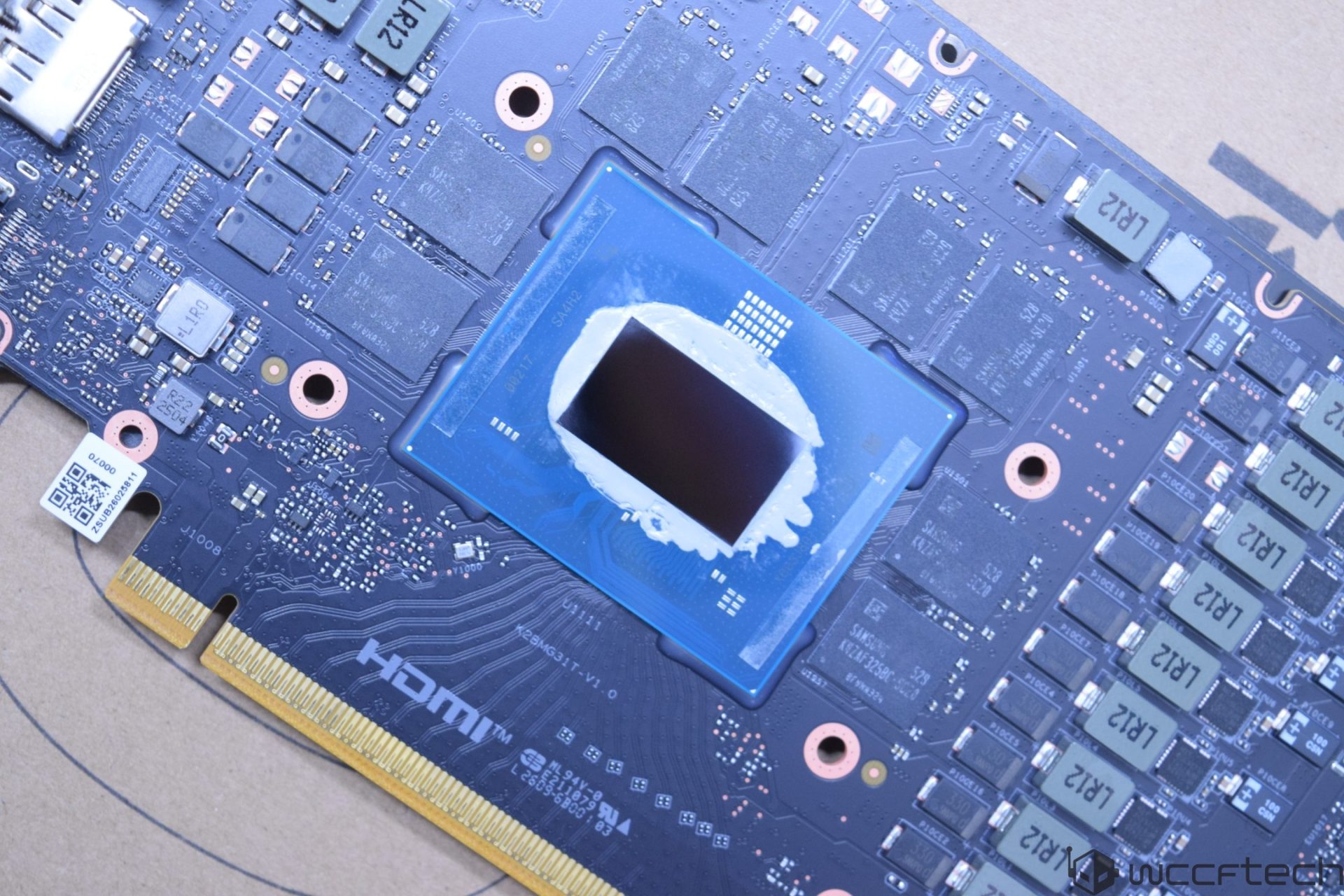
One intriguing detail from the benchmark is the performance gap between Samsung-based DDR5 RAM and Crucial modules at the same frequency. While the difference is marginal, it suggests that memory choice could play a subtle but meaningful role in overall system performance, even when specifications appear identical.
The Core Ultra 5 250K Plus is not alone in this refresh cycle. Its larger sibling, the Core Ultra 7 270K Plus, is also expected to make an appearance soon, potentially setting a new benchmark for multi-core efficiency. Both chips are part of Intel’s broader effort to address the underwhelming reception of the current Arrow Lake stack, with official reviews slated to begin this month.
For creators and engineers, the Core Ultra 5 250K Plus represents a compelling upgrade path, offering significant multi-threaded gains without the premium pricing typically associated with higher-tier models. Whether these improvements translate into real-world productivity boosts remains to be seen, but the numbers so far suggest Intel is making progress in closing the gap on its competitors.