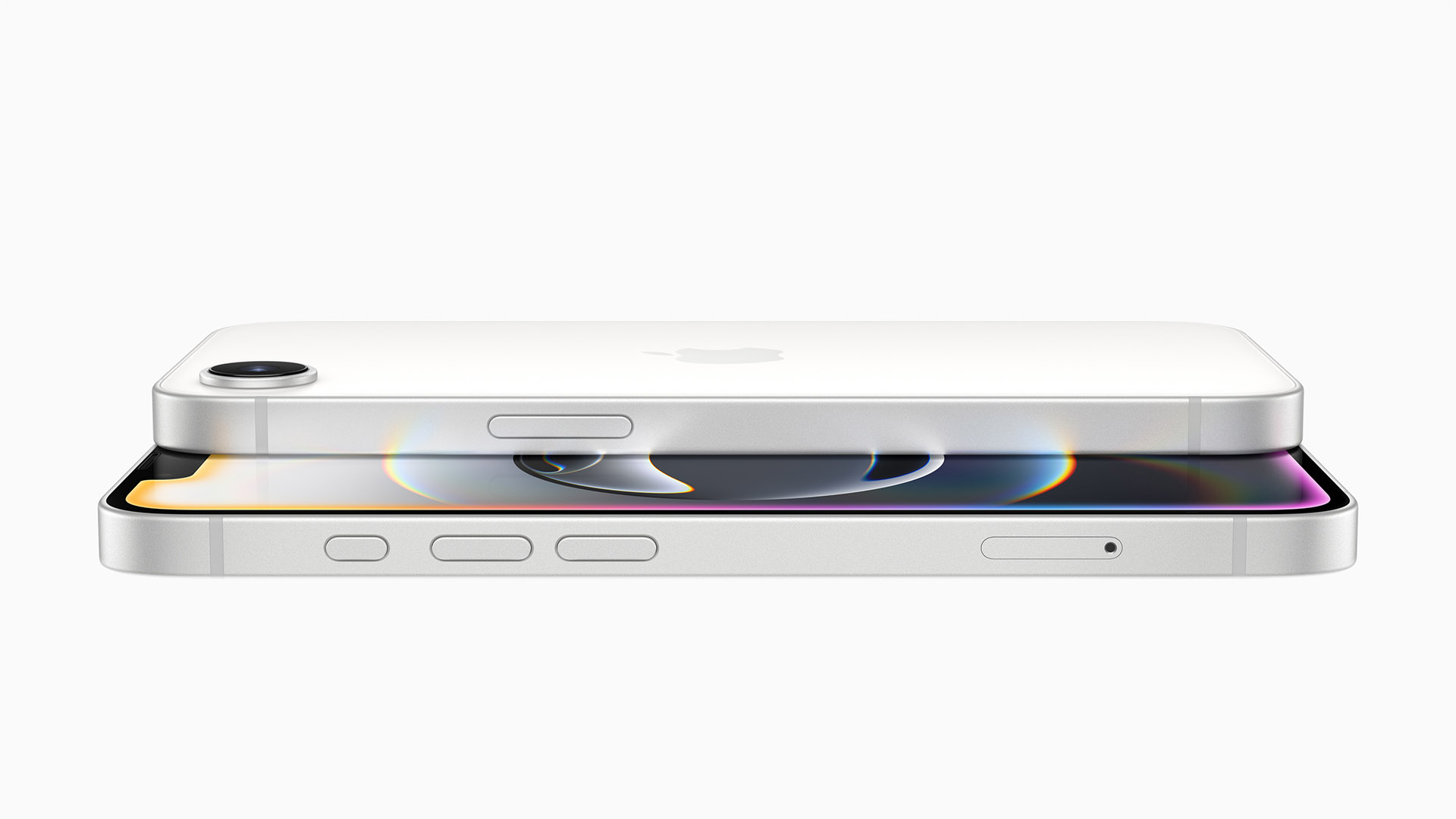
The iPhone 17e arrives at a pivotal moment for the smartphone industry, where memory chip costs have skyrocketed—NAND flash prices are up 70%, and DRAM has nearly doubled. Yet Apple’s budget model might escape the inflation wave entirely. How? By treating the 17e like a financial puzzle rather than a tech showcase.
Unlike its premium siblings, the iPhone 17e won’t introduce cutting-edge hardware. Instead, it reuses the A19 chip from the base iPhone 17 and the C1 5G modem from last year’s iPhone 16e—a move that slashes costs by an estimated $10 per unit. The modem alone, a Qualcomm licensing escape, absorbs a chunk of the 230% premium Apple now pays for memory. But the real savings come from BOE’s LTPS OLED panels. While Samsung and LG’s LTPO displays dominate flagship models, BOE’s cheaper alternative lets Apple redirect funds elsewhere.
The efficiency gains aren’t just about price. By avoiding Qualcomm’s licensing fees and locking in lower-cost panels, Apple can either keep the iPhone 17e at $599 or—if demand softens—reduce the price further. Competitors, meanwhile, face no such luxury. Their reliance on newer chips and premium displays leaves them vulnerable to supplier price hikes. For consumers, the 17e becomes a rare bright spot in a market where affordability is vanishing.
BOE’s panels, however, carry a reputation for inconsistent quality. If Apple’s usual rigor applies, the trade-off could pay off. But if defects rise, the savings might turn into a gamble. Production is expected to ramp up post-CES 2026, meaning any quality control issues would surface just as the phone hits stores.
This isn’t just about one phone. By mastering component reuse and supplier negotiations, Apple sets a template for future models. The 17e’s approach—prioritizing cost over innovation—could become the norm for mid-range devices. For a company that once revolutionized hardware, the move is a reminder that sometimes, the smartest play isn’t inventing the future, but reusing the past more efficiently.
The $599 price tag remains unconfirmed, but the stage is set for Apple to defy industry trends. If the 17e launches at the same cost—or lower—it would mark a victory for budget buyers in a year where inflation has reshaped the tech landscape. One thing is certain: this won’t be a story about new features. It’ll be about how Apple outsmarted the supply chain.