For months, reports of Ryzen 7 9800X3D processors failing catastrophically on AM5 motherboards were dismissed as isolated incidents—until they weren’t. What began as a handful of ASRock motherboard failures has now expanded to Asus, MSI, and Gigabyte systems, with users describing sudden power-on failures, bricked CPUs, and systems that refuse to boot after minimal use. The common thread? A CPU that, under certain conditions, appears to overdraw power beyond its intended specifications.
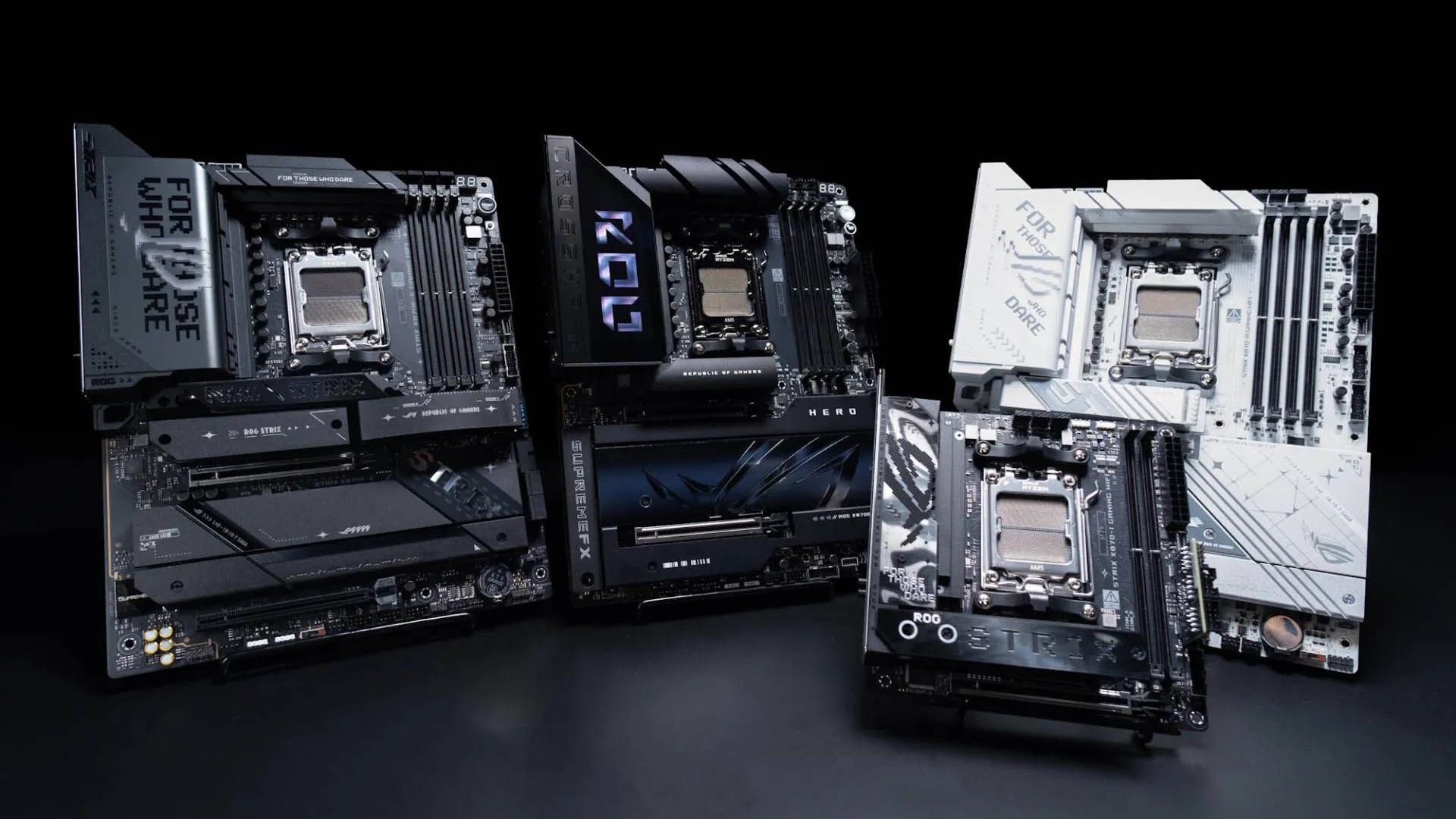
AMD’s initial response pointed to non-compliant BIOS settings in third-party motherboard designs, where overaggressive power delivery configurations could push the CPU beyond safe operating limits. The company emphasized that its own reference motherboards—like the X670E-based models—adhere to stricter power management protocols, reducing the risk of such failures. Yet the problem persists across multiple vendors, suggesting either widespread BIOS misconfigurations or a flaw in how the 9800X3D handles power delivery under load.
The timeline of this crisis is revealing. In early 2024, ASRock acknowledged the issue on select motherboards, blaming faulty BIOS settings that allowed excessive current draw during sustained workloads. A firmware update was issued, but not before some users reported permanent CPU damage. AMD later doubled down, stating that only motherboards deviating from its recommended power delivery curves were at risk. Yet the fact that Asus, MSI, and Gigabyte—each with their own BIOS engineering teams—are now under scrutiny implies a systemic failure in validation.
Asus’s decision to launch an internal review is a rare admission of uncertainty in an industry where hardware manufacturers typically deflect blame onto users or rival vendors. The company’s public statement directs users to update BIOS via EZ Flash or BIOS Flashback, a standard remedy for power-related instability. But the underlying question remains: If BIOS updates can prevent failures, why are they not universally applied at the point of sale? And if the issue stems from deeper design limitations—such as thermal throttling interactions with power delivery—could microcode patches be the next necessary fix?
This echoes a darker precedent. Intel’s 14th-gen Raptor Lake processors faced a similar reckoning in 2024, where initial failures were attributed to motherboard incompatibilities before revealing themselves as inherent design flaws. The Core i7-14700K and Core i9-14900K required multiple microcode updates to stabilize, but the damage to Intel’s reputation was permanent. Consumers now approach high-end Intel CPUs with caution, wary of undocumented risks. Could AMD’s Ryzen 7000 series—particularly the X3D models—face a comparable reckoning?
The Ryzen 7 9800X3D was marketed as a gaming powerhouse, its 3D V-Cache architecture delivering unparalleled frame rates in titles like *Starfield* and *Cyberpunk 2077*. Yet its reliability hinges on precise power management, a challenge exacerbated by AM5’s support for high-TDP workloads. If the root cause is not just BIOS misconfigurations but a vulnerability in the CPU’s power negotiation protocol, the implications are severe. AMD would need to issue a coordinated microcode update—similar to Intel’s fixes—to ensure even non-compliant motherboards cannot push the CPU into a destructive state.
For now, users are left in limbo. Asus’s advice to update BIOS is sound, but it assumes the problem is entirely software-based. If hardware failures continue despite updates, the question shifts to whether AMD’s AM5 platform is fundamentally flawed in its power delivery architecture. The Ryzen 7000 series remains a cornerstone of high-end PC builds, but this crisis tests the limits of AMD’s quality control and its ability to preemptively address design vulnerabilities.
The stakes are higher than a simple recall or firmware patch. If the 9800X3D’s failures are symptomatic of broader issues in AMD’s power management strategy, the company risks eroding trust in its premium AM5 ecosystem. The Ryzen 9000 series looms on the horizon, but without resolving this crisis, AMD may find itself repeating the mistakes of its competitors—where technical excellence is undermined by reliability concerns.
One thing is certain: The Ryzen 9800X3D saga is far from over. Whether the solution lies in BIOS updates, microcode revisions, or a deeper redesign of power delivery protocols, the next few months will determine whether AMD can restore confidence in its flagship AM5 platform—or if this will become another cautionary tale in PC hardware’s long history of teething problems.