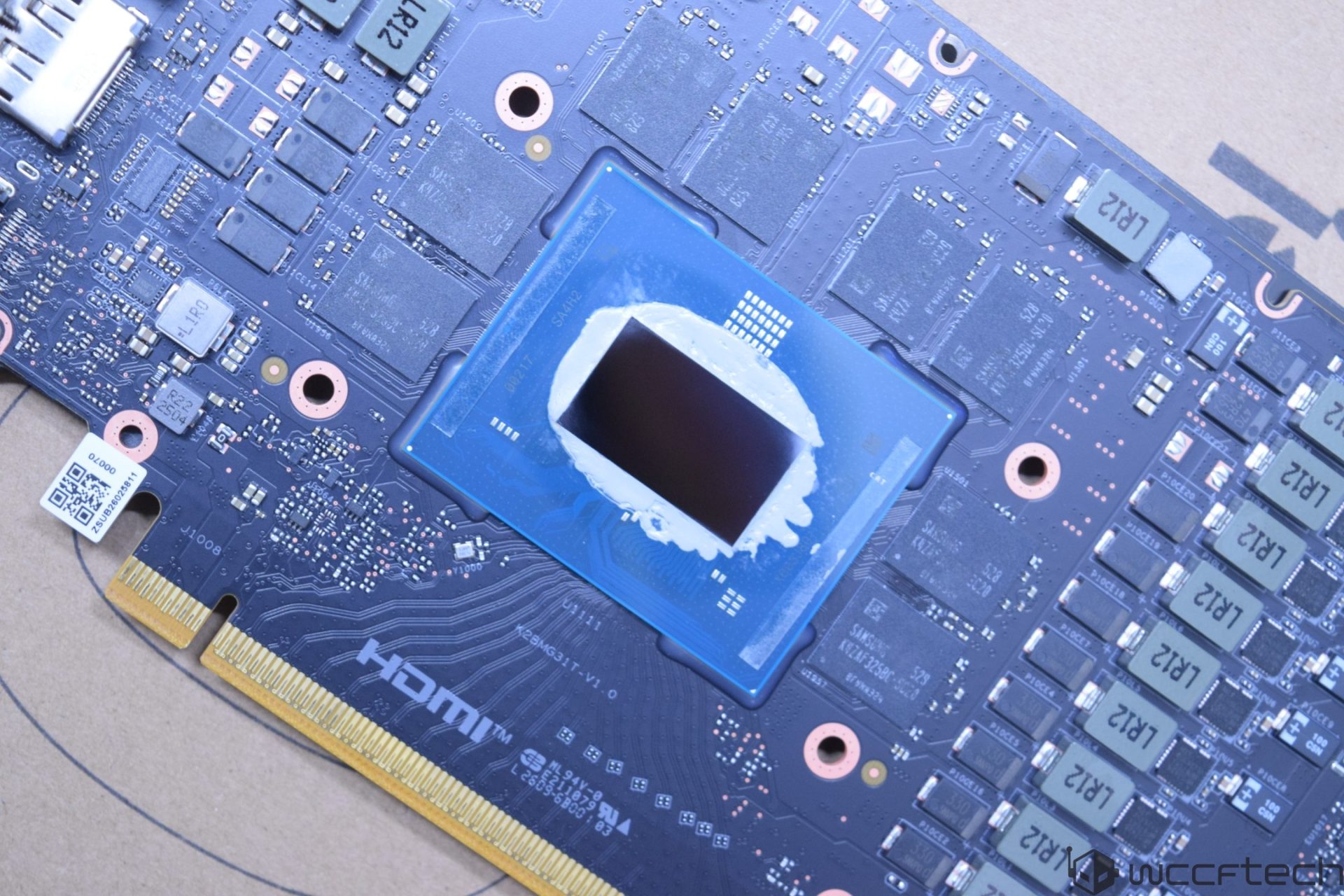
A new generation of high-end GPUs has arrived, bringing significant performance advancements that push the boundaries of what consumers can expect from desktop graphics cards. These devices feature core clock speeds reaching up to 2.5 GHz in boost mode, alongside 16 GB of GDDR6X memory and a 256-bit interface capable of handling bandwidths exceeding 800 GB/s. The result is a measurable performance leap, with synthetic benchmarks indicating a 30% improvement in rendering tasks compared to previous models and a 40% boost in AI workloads.
While the technical specifications are impressive, potential adopters must consider the practical implications of these upgrades. One notable challenge is power consumption; some models draw up to 350W under load, requiring robust power supply units (PSUs) that can handle the increased demand. This necessity adds complexity for PC builders who may need to upgrade their entire system rather than just swapping out a GPU. Additionally, while these GPUs are designed to work with current motherboard chipsets, early adopters should verify compatibility to avoid potential bottlenecks.

- Performance: Significant improvements in rendering and AI workloads, with up to 40% faster execution in specialized tasks.
- Power Requirements: Higher wattage demands (up to 350W) necessitate upgraded PSUs for optimal operation.
- Ecosystem Integration: Compatible with existing motherboard chipsets, but users should check specific system requirements.
The market positioning of these GPUs reflects their high-performance nature. Starting prices sit around $899 for the base model, with premium variants climbing closer to $1,200. This places them in a niche targeted at users who prioritize cutting-edge performance over cost efficiency. For those already invested in high-end builds, the upgrade path is straightforward, but budget-conscious users may find the price point prohibitive unless their workloads justify the investment.
Looking ahead, the most pressing question for potential buyers is how long these GPUs will remain relevant before the next generation arrives. With industry trends suggesting accelerated product cycles, timing an upgrade has become more critical than ever. For now, however, the new models deliver on their promise of a substantial performance leap, albeit with the caveat that adopters must be prepared for the associated costs and system adjustments.
The bottom line is clear: these GPUs represent a meaningful advancement in graphics processing power, but they come with trade-offs. Users who can stomach the higher price tag and meet the power requirements will find themselves at the forefront of performance, while others may need to weigh whether the gains are worth the investment in their specific use cases.