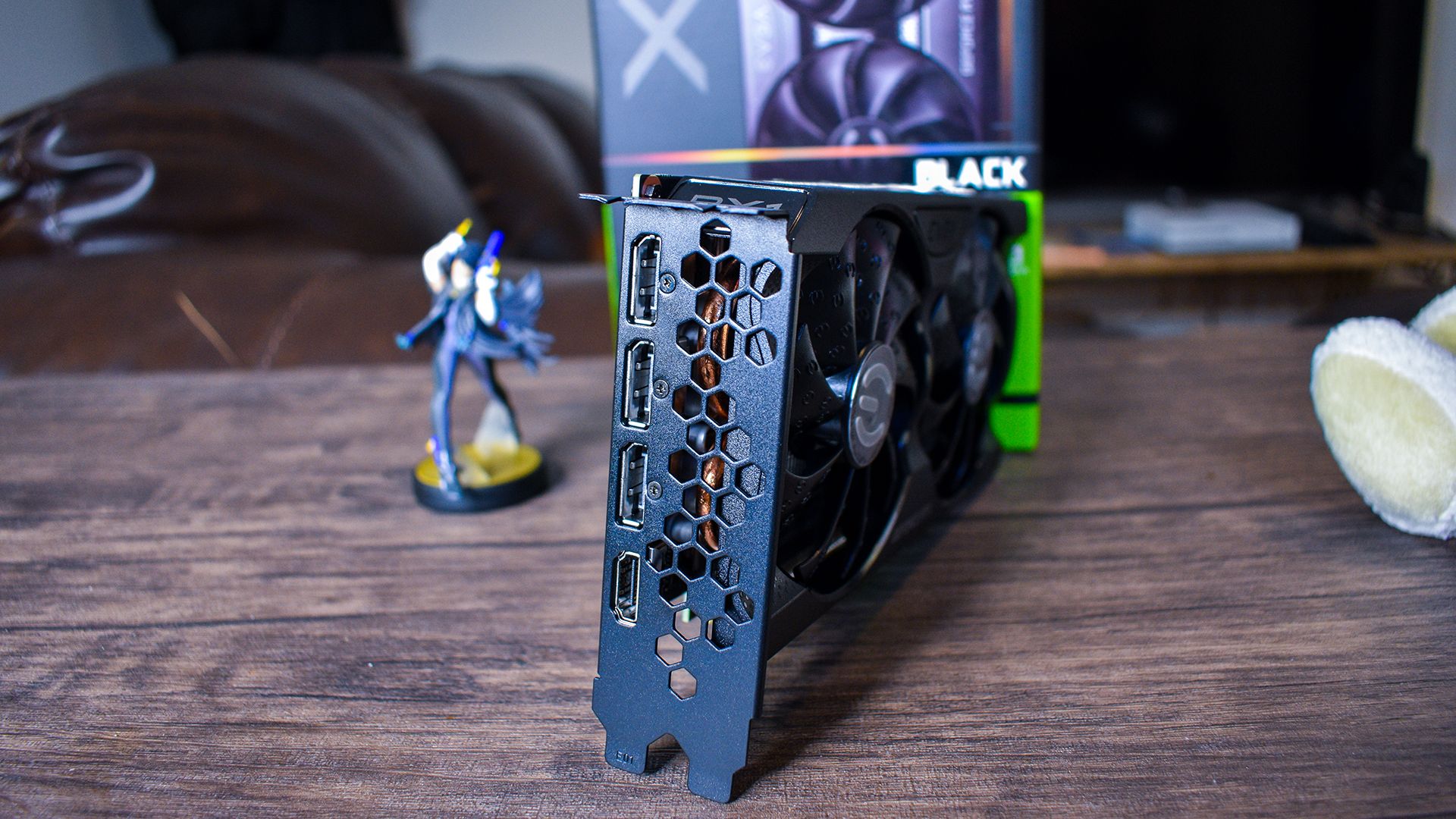
The graphics card market has reached a turning point, where the cost of high-performance hardware no longer aligns with consumer expectations. The RTX 5090, once a premium but attainable option for serious gamers and content creators, now commands prices that dwarf its predecessors. This isn't just a matter of inflation—it's a fundamental rebalancing of what buyers can expect when investing in cutting-edge performance.
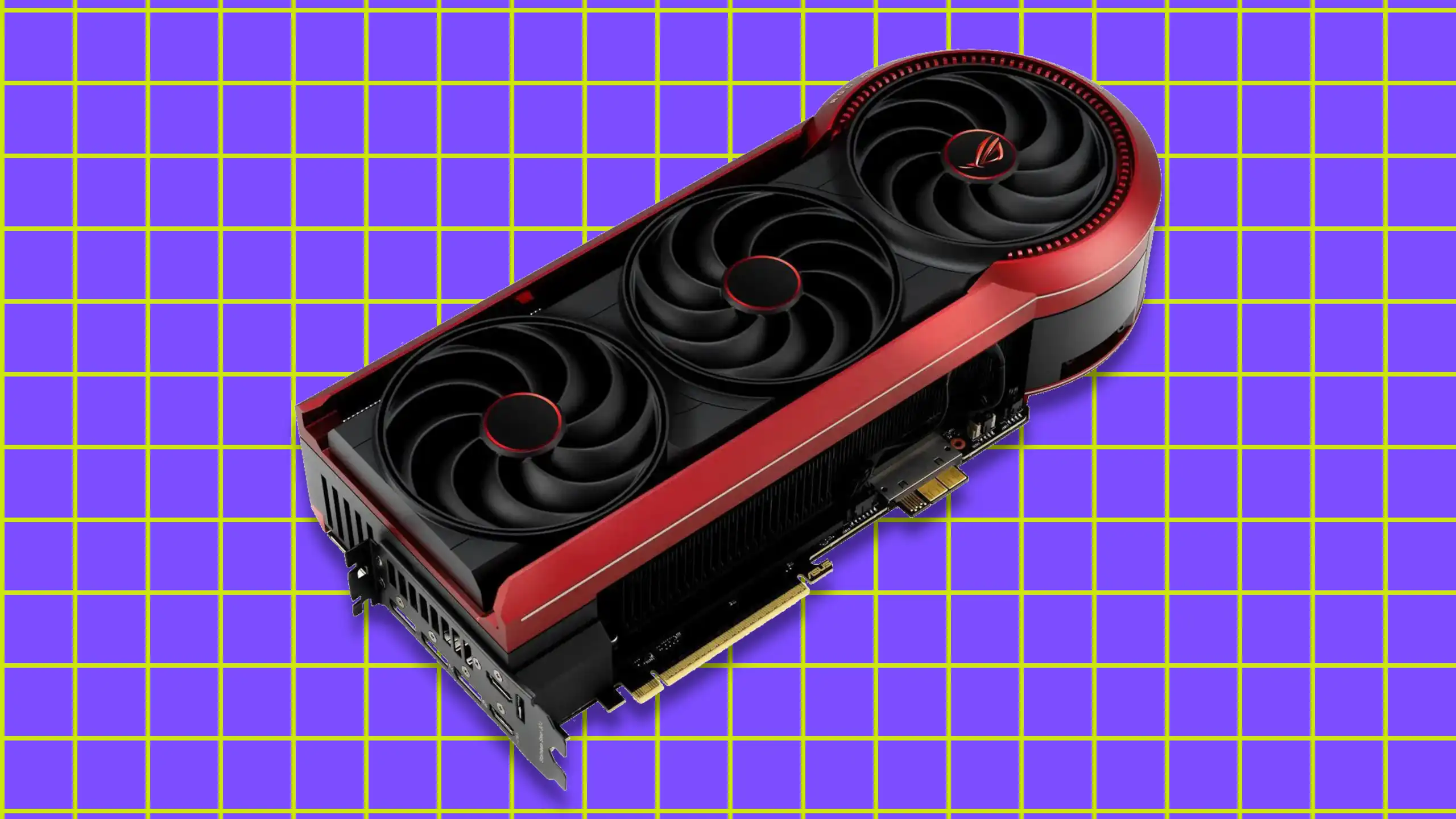
Just over a year ago, the RTX 5090 was priced around $2,400, a figure that already stretched the boundaries of reasonable spending for most enthusiasts. Today, that same model—specifically an Asus ROG Matrix Platinum variant—is listed at $7,499 from select retailers. The average price for the RTX 5090 has more than doubled since January 2025, climbing from roughly $2,000 to nearly $4,000 across major platforms. This isn't an isolated incident; it reflects a broader trend where high-end GPUs have become both a symbol of market volatility and a practical obstacle for consumers.
For those unwilling or unable to absorb such costs, the RTX 5070 offers a more accessible alternative, starting at $650. However, even this mid-tier option comes with trade-offs: the base model ships with only 12GB of RAM, while versions with 16GB push closer to $1,100. The RTX 5080, meanwhile, sits in a sweet spot around $1,500, but its availability remains inconsistent, leaving buyers to navigate a landscape where price and performance are no longer neatly correlated.
Key specs: RTX 50 series lineup
- RTX 5090: Priced at $7,499 (Asus ROG Matrix Platinum), average around $4,000. Core architecture built for extreme performance and AI workloads.
- RTX 5080: Average price approximately $1,500. Balances high-end gaming with more reasonable cost, but supply is limited.
- RTX 5070 (12GB RAM): Starts at $650. A budget-friendly entry into the RTX 50 series, though memory capacity is constrained.
- RTX 5070 (16GB RAM): Priced around $1,100. Addresses memory concerns but still significantly below the performance of higher-tier models.
The implications of these price shifts extend beyond individual purchases. Buyers are increasingly turning to prebuilt systems or bundled packages as a way to mitigate costs, even if those bundles come with built-in markups. This strategy, while practical, also reflects a market where retailers are more willing to absorb losses on individual components when they're part of larger transactions—often including software licenses or system-level discounts.
For those willing to compromise on performance, the RTX 5060 offers a path back into affordability. A prebuilt desktop featuring a Core i7 14700F processor, 32GB of DDR5 RAM, and an RTX 5060 is currently listed at $1,219. However, this option comes with the caveat that its long-term value may erode as AI-driven shortages persist, potentially driving up prices for even mid-range hardware in the coming years.
Market dynamics: a shift in priorities
- Performance vs. cost: The RTX 5090's price point makes it accessible only to a niche audience, forcing buyers to weigh the benefits of cutting-edge tech against long-term value.
- Supply chain pressures: AI-driven demand for RAM and other components is creating bottlenecks that ripple through the entire ecosystem, from GPUs to prebuilt systems.
- Alternative paths: Buyers are increasingly opting for prebuilt systems or bundles, where the total cost of ownership can be more predictable, even if individual components carry higher price tags.
The current state of the market also highlights a stark contrast between Nvidia's dominance in high-end GPUs and AMD's position in the mid-range segment. While AMD's Radeon cards may offer better value, they lack the brand pull or performance metrics that attract enthusiasts and professionals alike. This dynamic creates a scenario where buyers are forced to choose between affordability and the latest advancements.
Looking ahead, the trajectory of GPU pricing suggests that today's highs will likely become tomorrow's baseline. The question for consumers isn't just whether they can afford the RTX 5090 now—it's whether they'll still be relevant in a market where prices continue to climb. For now, the most practical path forward lies in mid-range options like the RTX 5070 or prebuilt systems that bundle hardware with software, offering a more stable entry point into the world of high-performance computing.
This shift underscores a broader industry challenge: balancing innovation with accessibility. As prices rise, the gap between what's possible and what's practical widens, leaving buyers to navigate a landscape where every decision carries financial weight. The RTX 5090's current price tag isn't just an anomaly—it's a reflection of how far the market has strayed from historical norms, and a reminder that the next generation of hardware may be even more out of reach.