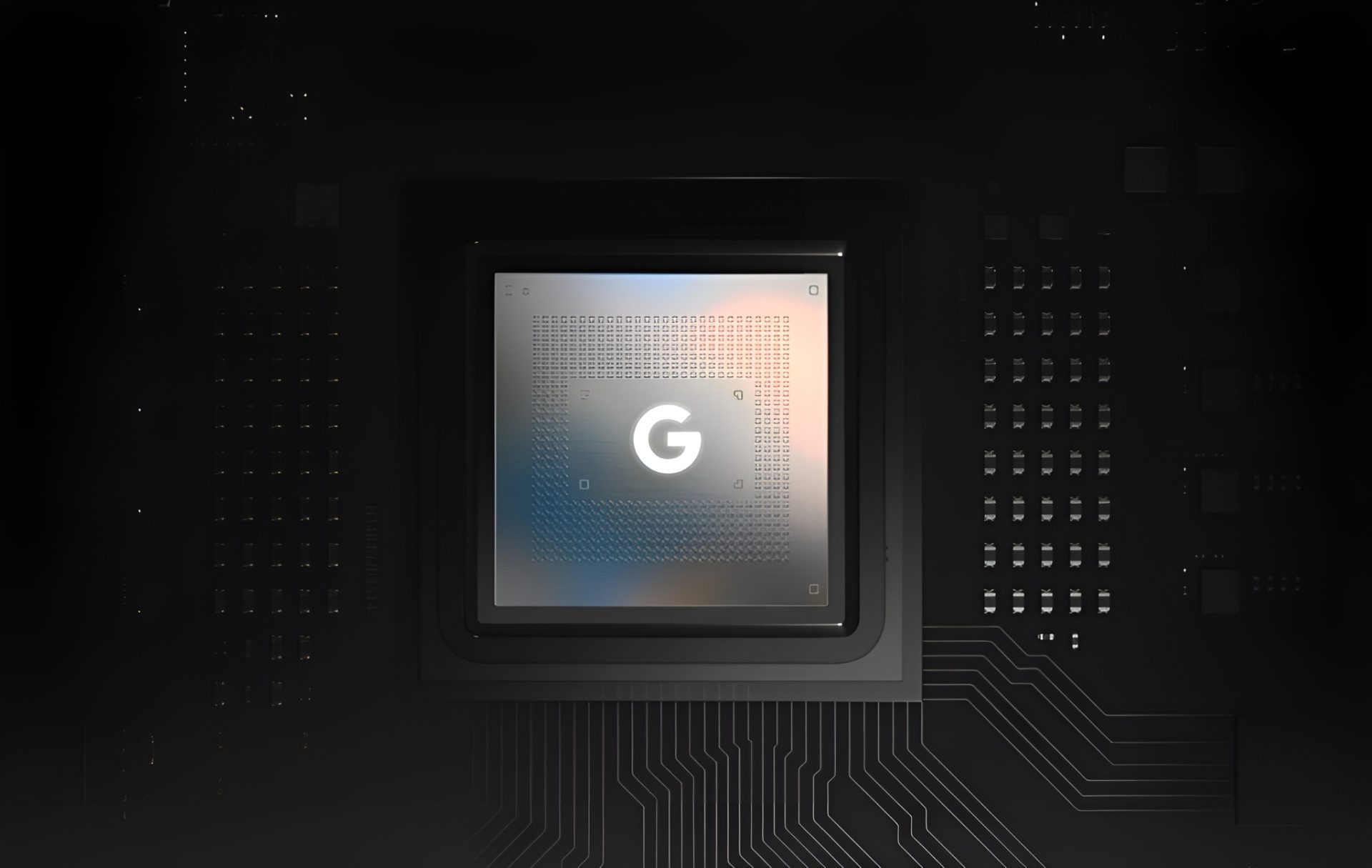
The Tensor G6 chip is poised to redefine Google’s hardware strategy by marrying a cutting-edge CPU with a GPU that, on paper, traces back nearly half a decade. Unlike the company’s previous in-house designs, this iteration leans on an established but aging GPU architecture—one that first surfaced around 2019—to power its AI ambitions while navigating budget constraints.
This choice reflects a deliberate shift: Google is prioritizing efficiency and cost-effectiveness over raw performance, a tradeoff that could reshape how it positions future devices. For creators and power users, the implications are clear—access to advanced AI features without the premium price tag—but whether this strategy will hold up under real-world demands remains an open question.
Performance: A Balancing Act of Old and New
The Tensor G6’s core contradiction lies in its GPU. While the CPU side likely packs modern improvements—such as enhanced tensor cores for machine learning—the GPU remains rooted in a design that debuted with Google’s first-generation Pixel devices. This isn’t an oversight; it’s a calculated gamble.
- Display: Likely 120Hz LTPO OLED, adaptive refresh rate
- Chip: Tensor G6 (CPU: likely ARM Cortex-X4-based or equivalent; GPU: older-generation but optimized for AI)
- Memory: 8GB–16GB LPDDR5X, up to 3200MHz
- Storage: 128GB–512GB UFS 4.0
- Power: 5000mAh battery with adaptive charging
The GPU’s age isn’t the only anomaly. Memory bandwidth is modest by today’s standards, and storage tops out at 512GB—hardly a leap from previous generations. Yet, Google’s optimization for AI workloads could mitigate these limitations, particularly in tasks like on-device processing and real-time image enhancement.
Who Benefits—and Who Might Regret It?
For everyday users, the Tensor G6’s appeal lies in its efficiency. The chip is designed to handle Google’s suite of AI features—from smart replies to advanced camera processing—without draining battery life or inflating prices. Creators working with lightweight AI tools (e.g., photo editing, basic video enhancement) will find this a compelling package.
However, power users and developers expecting high-end GPU performance for 3D rendering, gaming, or heavy ML workloads may feel shortchanged. The older GPU architecture, while optimized, lacks the raw compute power of competitors like Apple’s A-series or Qualcomm’s Snapdragon chips. This could push Google to rethink its strategy if demand for more powerful hardware grows.
A Market Strategy Built on Tradeoffs
Google’s decision to revive an older GPU architecture isn’t just about cost savings—it’s a response to market dynamics. The tech industry is in a phase where AI integration is non-negotiable, but premium pricing for high-end hardware is under scrutiny. By blending legacy components with modern AI optimizations, Google aims to offer a middle ground: devices that feel cutting-edge without the sticker shock.
Yet, this approach carries risks. If competitors double down on newer GPU architectures (e.g., NVIDIA’s RTX or AMD’s RDNA 3), Google may find itself playing catch-up in performance benchmarks. The Tensor G6 could be a stopgap until the company commits to a fully modernized design—or it could become a blueprint for a new wave of budget-conscious, AI-first hardware.
The Pixel 9 series, when it arrives, will serve as the litmus test. If Google can prove that efficiency and AI optimization outweigh raw performance, this strategy could redefine what’s expected in mid-tier devices. Otherwise, it may signal a need for a more aggressive hardware push—one that leaves little room for retro revivals.