The release of Dawnwalker introduces a new layer of complexity for players—deciding whether to prioritize raw power or long-term compatibility. The game’s open-world design, built on Unreal Engine 5, demands more than just brute-force hardware; it requires careful consideration of upscaling technologies and the evolving GPU market.
One key question remains unresolved: Will the game’s developers enforce DLSS or FSR by default? If not, players may need to manually activate these features to achieve smoother performance, especially on mid-range GPUs like the RTX 5060 or RX 7800 XT. This could lead to a fragmented experience if some players opt out of upscaling entirely.
What’s the baseline setup for smooth gameplay?
A 1080p, 30 FPS experience is achievable on older hardware, including an Intel Core i5-10400F or AMD Ryzen 7 3700X paired with at least 16 GB of RAM. The GPU requirements are flexible but strict: the minimum calls for something like an RTX 3050 (6 GB VRAM), while AMD’s RX Vega 56 or Intel’s Arc A580 could also suffice, though real-world performance may vary.
How does the recommended configuration compare?
For a more fluid experience at 1080p and 60 FPS—or even 1440p—the game suggests an Intel Core i5-13600 or AMD Ryzen 9 7900X, along with 16 GB of RAM. The GPU choice splits between NVIDIA’s RTX 5060 for 1080p and AMD’s RX 6800 XT for higher resolutions. This setup avoids the most demanding configurations but still pushes older GPUs to their limits.
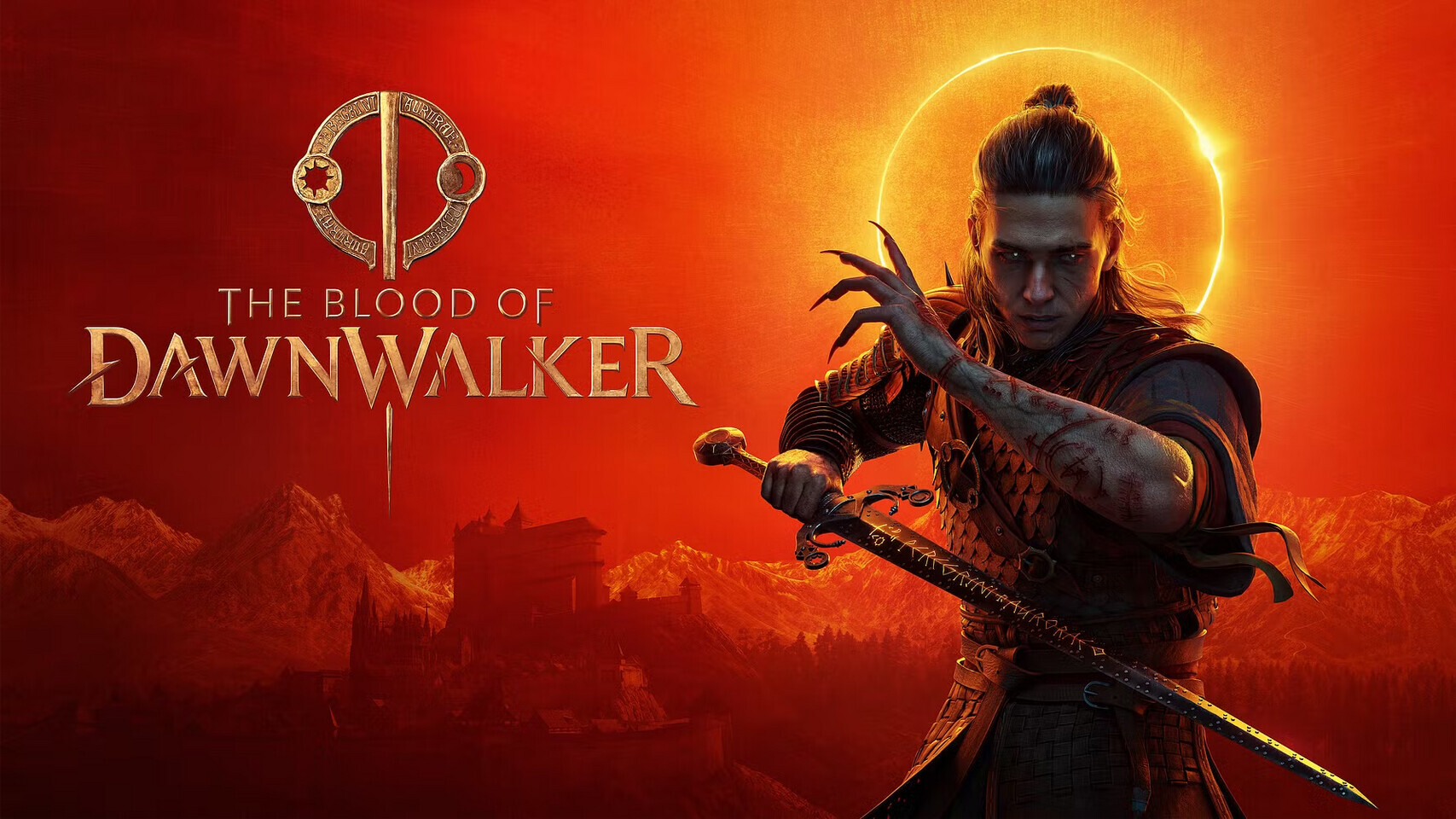
What about ultra settings at 1440p or beyond?
Higher-tier setups, including an Intel Core i5-13600K or AMD Ryzen 9 7950X, are necessary for 1440p at 60 FPS with ultra settings. The GPU requirement here is either an RTX 4080 or RX 7900 XTX (16 GB VRAM). For those aiming for 2160p, the game’s highest-end configuration demands an RTX 5090—though its exact VRAM capacity and availability remain unclear.
Is Windows 10 still a hard requirement?
The listed minimum is Windows 10, but no official statement rules out Windows 11 compatibility. Players should monitor developer updates, as backward compatibility patches could extend support to newer systems without disrupting performance.
What’s the bigger picture for GPU buyers?
The game’s release coincides with a potential shift in GPU dominance. NVIDIA’s RTX 5090 is poised to take over high-end configurations, while AMD’s RX 7900 XTX remains a strong mid-range alternative. However, supply constraints could delay availability for both, leaving players in a tough spot if they wait too long.
What should players watch for?
The most immediate concern is whether the game’s performance will hold up over time. If DLSS or FSR isn’t enforced by default, some players may experience stuttering or lower frame rates on less powerful hardware. Additionally, those targeting 1440p or higher resolutions should prepare for potential delays if GPU stocks remain tight.
For now, the safest bet is to aim for at least a mid-range GPU like the RTX 5060 or RX 7800 XT, paired with a modern CPU. Those willing to invest in high-end hardware can target the RTX 4080 or RX 7900 XTX, but should be aware of possible supply issues closer to launch.