The Galaxy Z Fold 8 arrives with a focus on compactness that doesn’t come at the expense of power. Samsung has rethought its signature foldable design, shrinking both the unfolded and folded footprints while keeping performance and thermals in check. This isn’t just about making the device lighter—it’s about redefining what a foldable can achieve when efficiency is prioritized over raw size.
Foldables have long struggled to balance portability with power, but the Fold 8 tightens that equation significantly. It weighs less and occupies less space in a pocket or bag than previous models, yet it delivers the same level of performance users expect from flagship devices. For IT teams evaluating foldable options for enterprise use, this shift toward compactness could make adoption more practical without compromising functionality.
Key Upgrades
- Display: 7.6-inch main screen (1,092 x 2,400 resolution, LTPO OLED), 3.8-inch cover display (1,536 x 1,536 resolution, LTPO OLED)
- Processor: Snapdragon 8 Gen 3 for Galaxy
- Memory and Storage: Up to 24 GB RAM and 1 TB internal storage
- Battery: 4,050 mAh (main battery), 760 mAh (cover display)
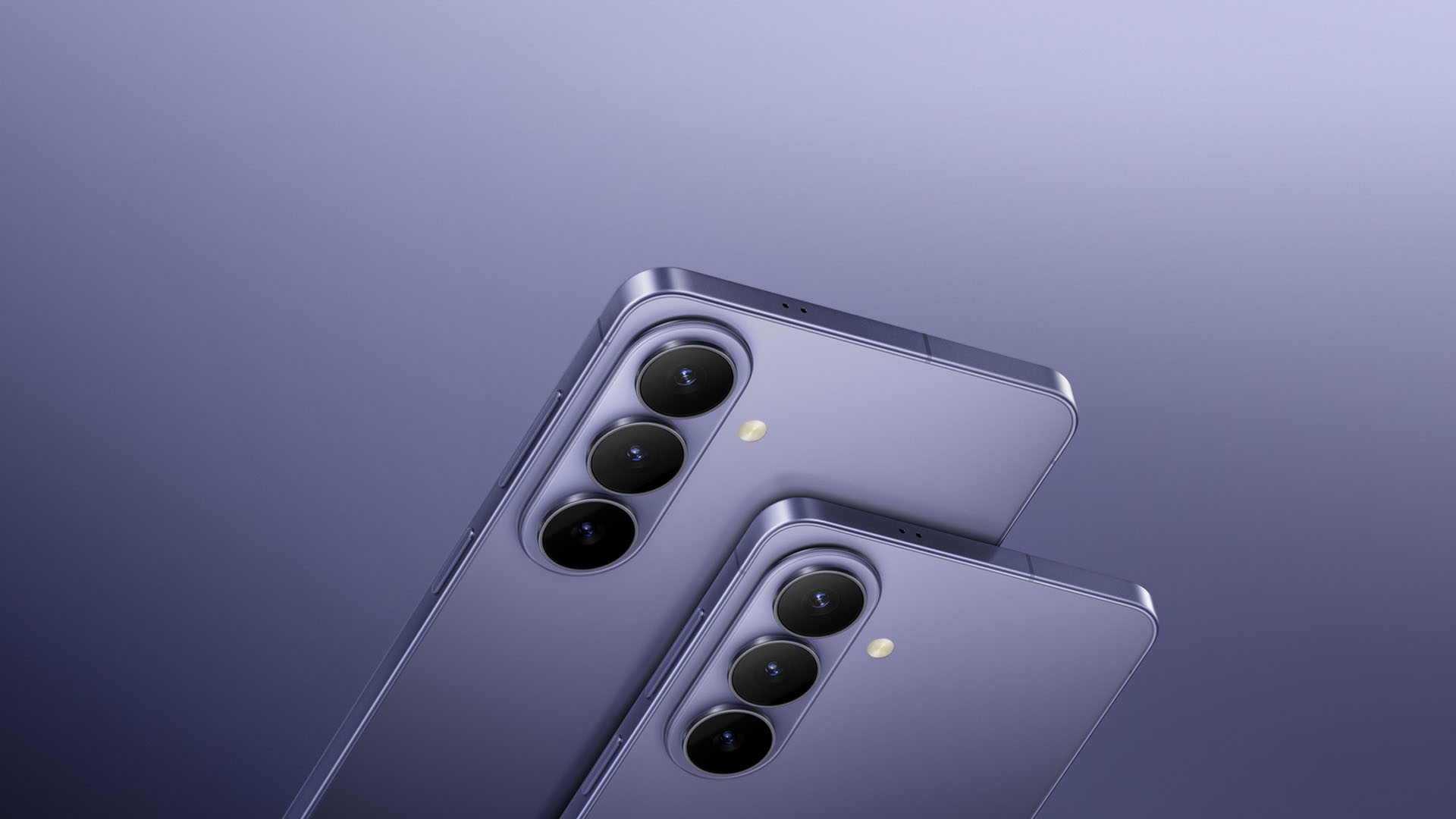
- Camera System: 50 MP main sensor, 12 MP ultrawide, 10 MP telephoto with 3x optical zoom, 12 MP front-facing
- Connectivity: 5G, Wi-Fi 6E, Bluetooth 5.4
- Ports: USB-C (data transfer and charging)
- Starting Price: $1,799
The Fold 8’s compact design is more than just a cosmetic change—it addresses real-world usability. The reduced weight comes with a slight trade-off in battery life compared to larger foldables, but Samsung has optimized power consumption at the software level to minimize impact. This means IT administrators can expect better portability without significant performance dips during daily use.

Performance and Thermal Efficiency
- The Snapdragon 8 Gen 3 for Galaxy delivers flagship-level performance, but Samsung’s thermal management is where true innovation lies.
- The device runs cooler under sustained loads than its predecessors, a critical improvement given the increasing demands of modern mobile applications.
- Better airflow and heat dissipation in the design help maintain stable performance during extended sessions, reducing the risk of throttling.
Thermal efficiency has historically been a weak point for high-performance devices, but the Fold 8 shows Samsung has made meaningful progress. Professionals who rely on foldables for productivity will benefit from a device that doesn’t overheat or throttle during long work sessions. This could set a new benchmark for future foldable phones in terms of both performance and longevity.
Practical Takeaways
- A more compact form factor makes the Fold 8 easier to carry and use in everyday scenarios, though battery life is slightly reduced compared to larger models.
- Improved thermal management means fewer hardware-related issues over time, which is valuable for IT teams managing device fleets.
The Galaxy Z Fold 8 isn’t just an incremental upgrade—it’s a step toward more practical and efficient foldable smartphones. While battery life remains a consideration, the balance of performance, portability, and thermal efficiency makes it a strong option for those who prioritize innovation over size. At $1,799, it’s positioned as a premium device, but its advancements could justify the cost for professionals and IT departments looking to adopt foldables.