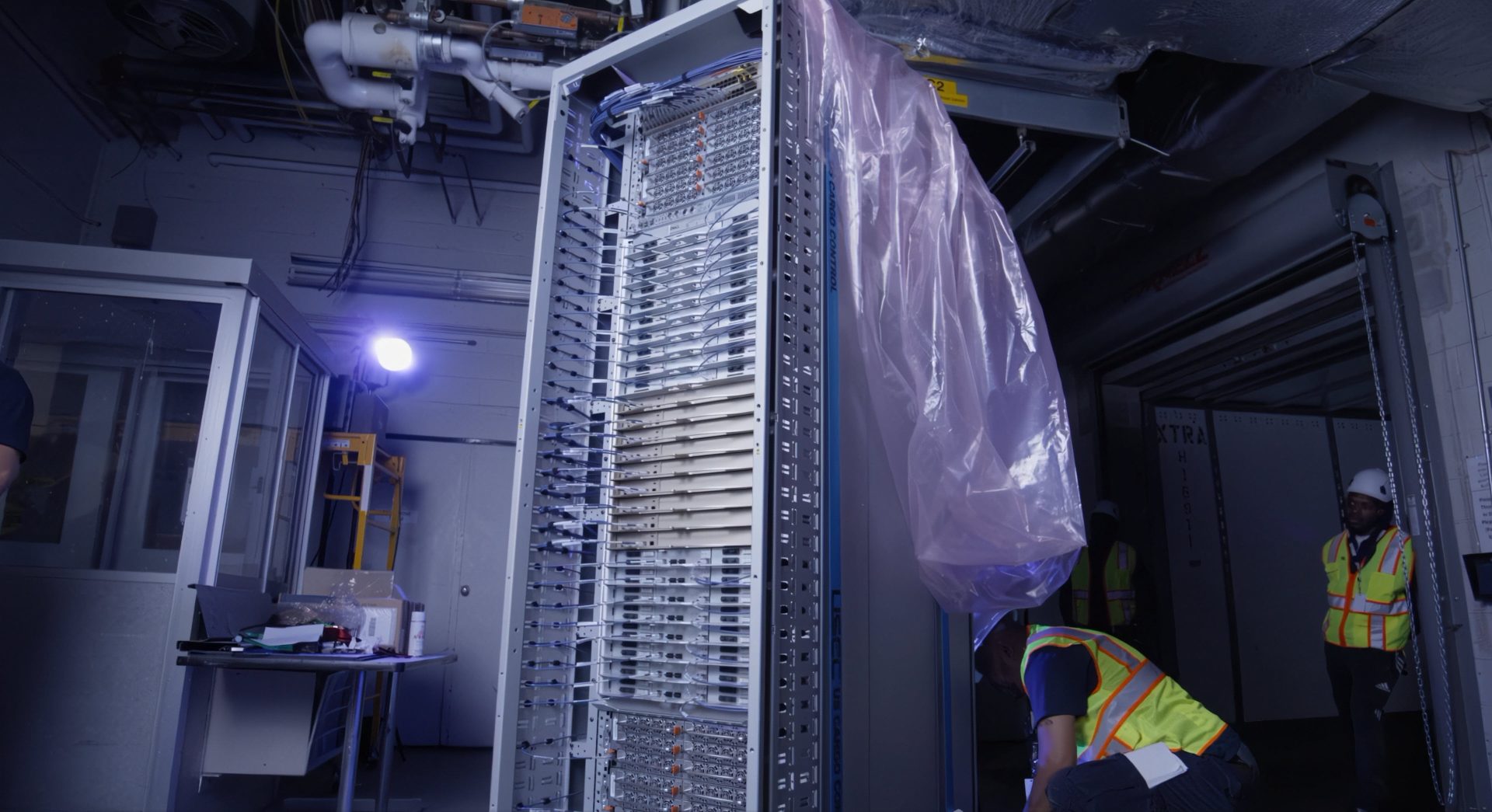
Europe’s push for technological sovereignty took a decisive step forward this week with the activation of France’s long-awaited AI infrastructure. Built around NVIDIA’s high-performance computing stack, the system is designed to support both cutting-edge research and industrial applications, offering a counterbalance to the dominance of U.S.-based cloud giants.
The infrastructure, which includes national AI factories and dedicated compute capacity, is already facilitating the deployment of production-grade AI agents. This shift is particularly notable for French startups, many of which have previously relied on foreign cloud services. By leveraging open frontier models optimized for European use cases—paired with NVIDIA’s GPUs and software stacks—the platform aims to create a self-sustaining ecosystem that prioritizes data residency and compliance without compromising performance.
One of the most significant aspects of this initiative is its focus on interoperability. While France has made progress in establishing its own AI capabilities, the broader challenge remains: how can such infrastructure scale across Europe? The continent’s fragmented regulatory landscape and disparate tech policies pose a hurdle, but France’s model suggests a path forward. By combining local compute power with open-source collaboration, the approach could serve as a template for other nations looking to assert control over their AI development while maintaining global compatibility.

Industry observers note that the timing of this deployment is critical. As demand for high-performance AI workloads surges—driven by everything from generative models to industrial automation—the ability to host these workloads locally becomes a strategic advantage. France’s move, if replicated, could accelerate Europe’s transition away from foreign dependence, reinforcing its position in the global AI race.
The question now is whether this infrastructure can deliver on its promise. Early indicators are positive: startups report faster iteration cycles and reduced latency when deploying models locally. Yet, the long-term sustainability of such an ecosystem will depend on sustained investment, policy alignment across member states, and the ability to attract top talent. For France, the stakes couldn’t be higher—success here could redefine Europe’s approach to AI sovereignty for decades to come.