Capcom’s Gamescom 2026 reveal is set to introduce a defining metric for the company: franchise reinvention. Unlike its past reliance on incremental updates, this lineup prioritizes bold experiments that redefine established properties while maintaining core appeal. At the heart of this shift are two major titles—Mega Man: Dual Override and Onimusha: Way of the Sword—both designed to push boundaries in gameplay and storytelling.
The dual-protagonist system in Mega Man: Dual Override serves as a case study in modernizing legacy franchises. By allowing players to control both Mega Man and his rival, X, Capcom aims to blend classic platforming with layered narrative depth. This approach is not without risk; balancing two distinct playstyles while preserving the franchise’s identity requires precision in design and execution.
- Mega Man: Dual Override
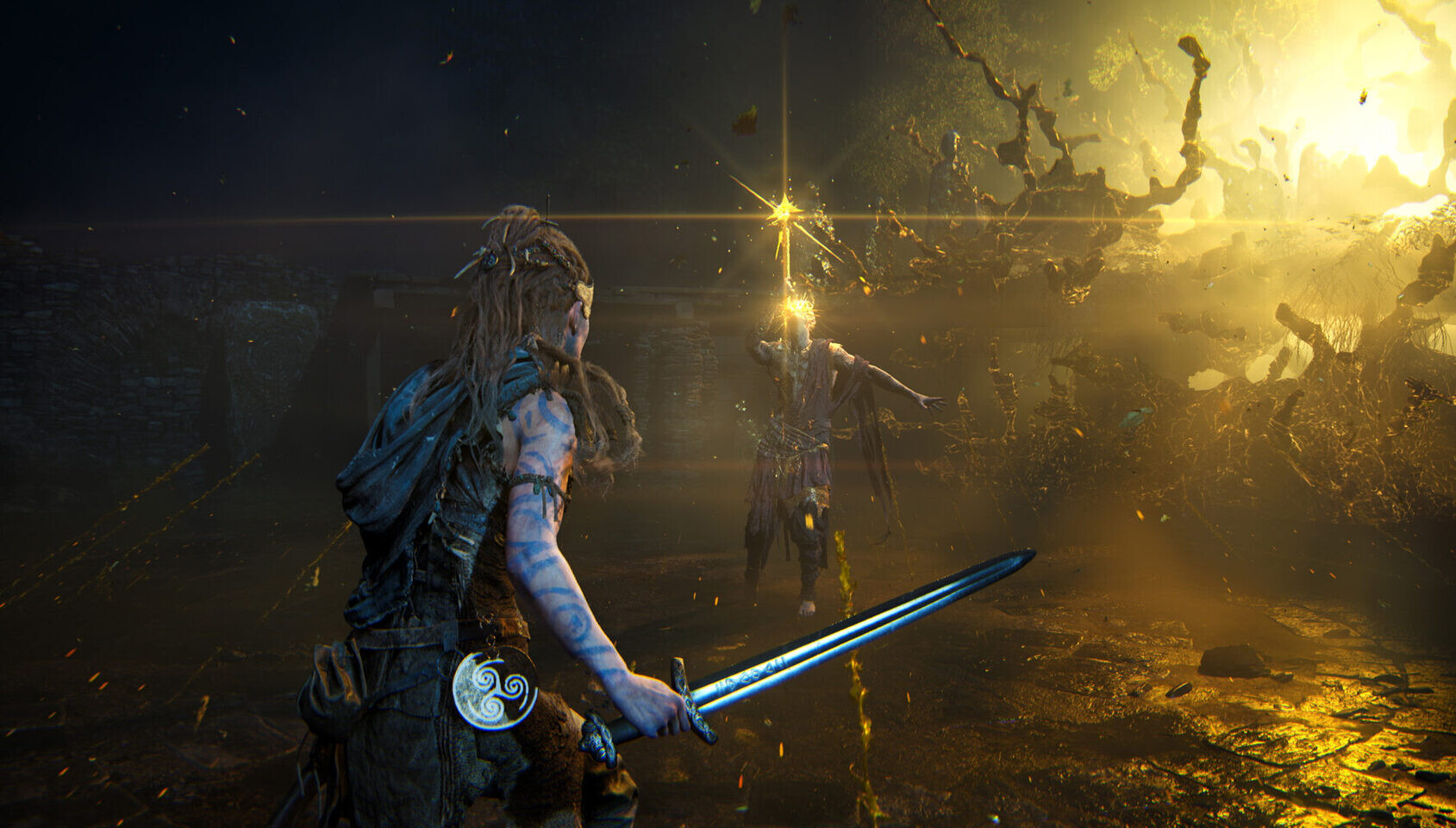
- Onimusha: Way of the Sword
Onimusha: Way of the Sword offers a more traditional yet refined experience, with a focus on combat precision. While details are scarce, the title is expected to build upon the series’ strengths while introducing new mechanics that align with modern player expectations.
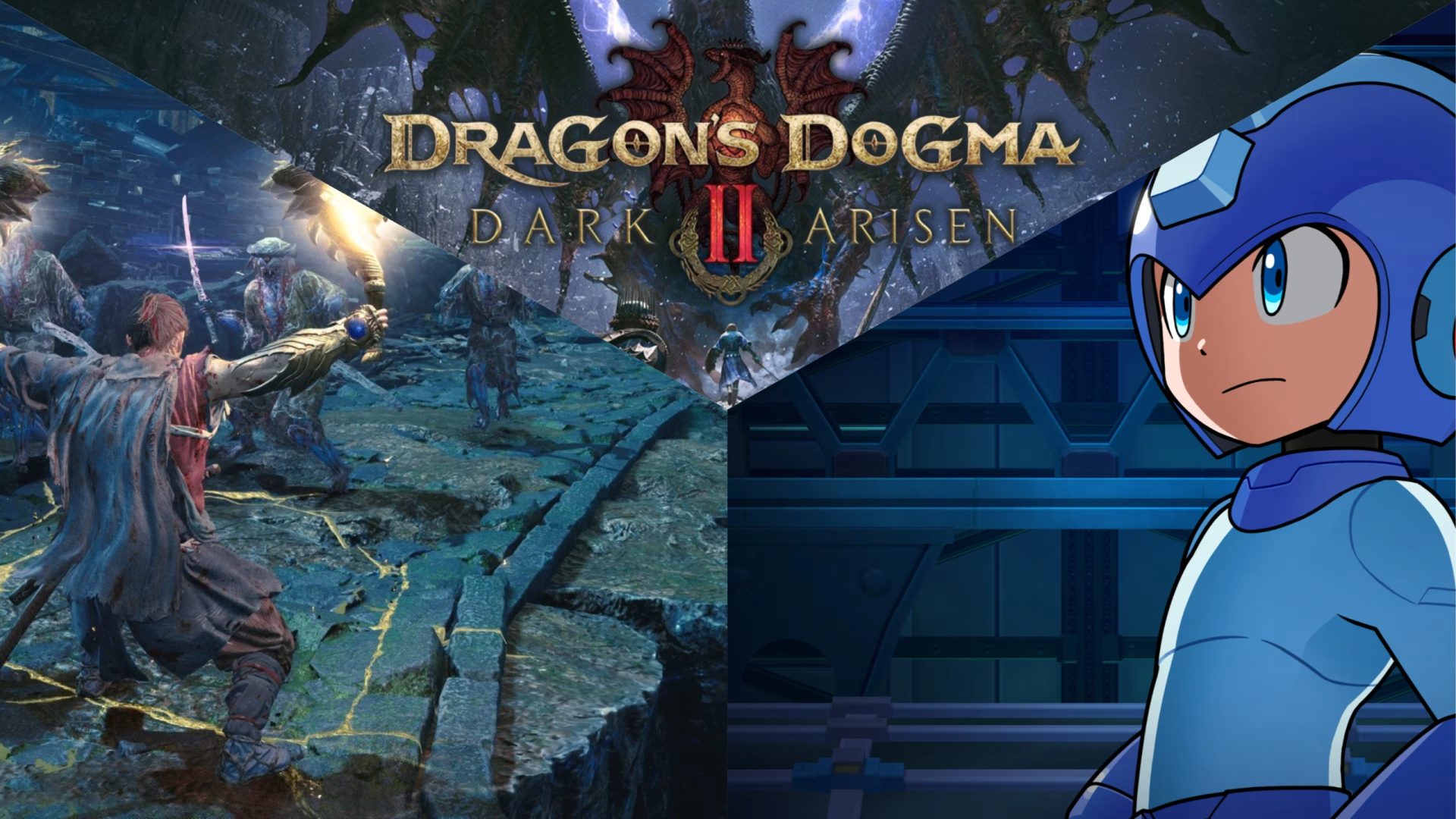
The unannounced projects add another layer of intrigue. Capcom’s exploration of deeper narrative structures and AI-driven world-building suggests a strategic investment in procedural content generation. This trend mirrors broader industry shifts, where developers leverage AI to create dynamic environments. However, the extent of its application remains speculative, leaving room for both excitement and caution among buyers.
For IT teams and enterprise buyers, this lineup raises practical considerations. Capcom’s history of proprietary engines has limited cross-platform flexibility, a factor that could influence long-term platform commitments. The dual-protagonist system in Mega Man may also introduce technical challenges, potentially increasing dependency on in-house development tools.
The metric of reinvention is both an opportunity and a test for Capcom. While the dual-protagonist approach in Mega Man carries risk, it reflects a willingness to innovate without abandoning legacy. However, the lack of clarity around unannounced projects leaves buyers weighing the potential rewards against the uncertainty of long-term platform strategies.