Prime Video's Fallout Season 2 has emerged as a defining series for the streaming giant, amassing an unprecedented 83 million viewers across its episodes. This metric, which includes both new and returning audiences, underscores the show's broad appeal while signaling Prime Video's growing dominance in the post-apocalyptic genre. The season's narrative, rooted in the original video game's lore, has successfully balanced dark humor with intricate world-building, creating a compelling experience that resonates with gamers and long-time fans alike.
The series' performance reflects a broader trend of licensed content thriving on streaming platforms, particularly those with strong gaming communities. Unlike traditional adaptations, Fallout Season 2 leverages the franchise's established universe, allowing it to tap into an existing fanbase while introducing new viewers through its accessible yet layered storytelling. This dual approach has been a key factor in its rapid ascent, positioning it as one of Prime Video's most-watched original series.
For administrators and content creators, the show's success presents both opportunities and challenges. On the technical side, Fallout Season 2's deployment on Prime Video has relied on scalable infrastructure to handle the surge in demand, a common requirement for high-profile releases. The platform's ability to manage peak traffic without compromising streaming quality has been crucial, especially during the season's initial rollout. Additionally, the series' compatibility with cross-platform viewing—including mobile and smart TV devices—has played a role in its widespread reach.
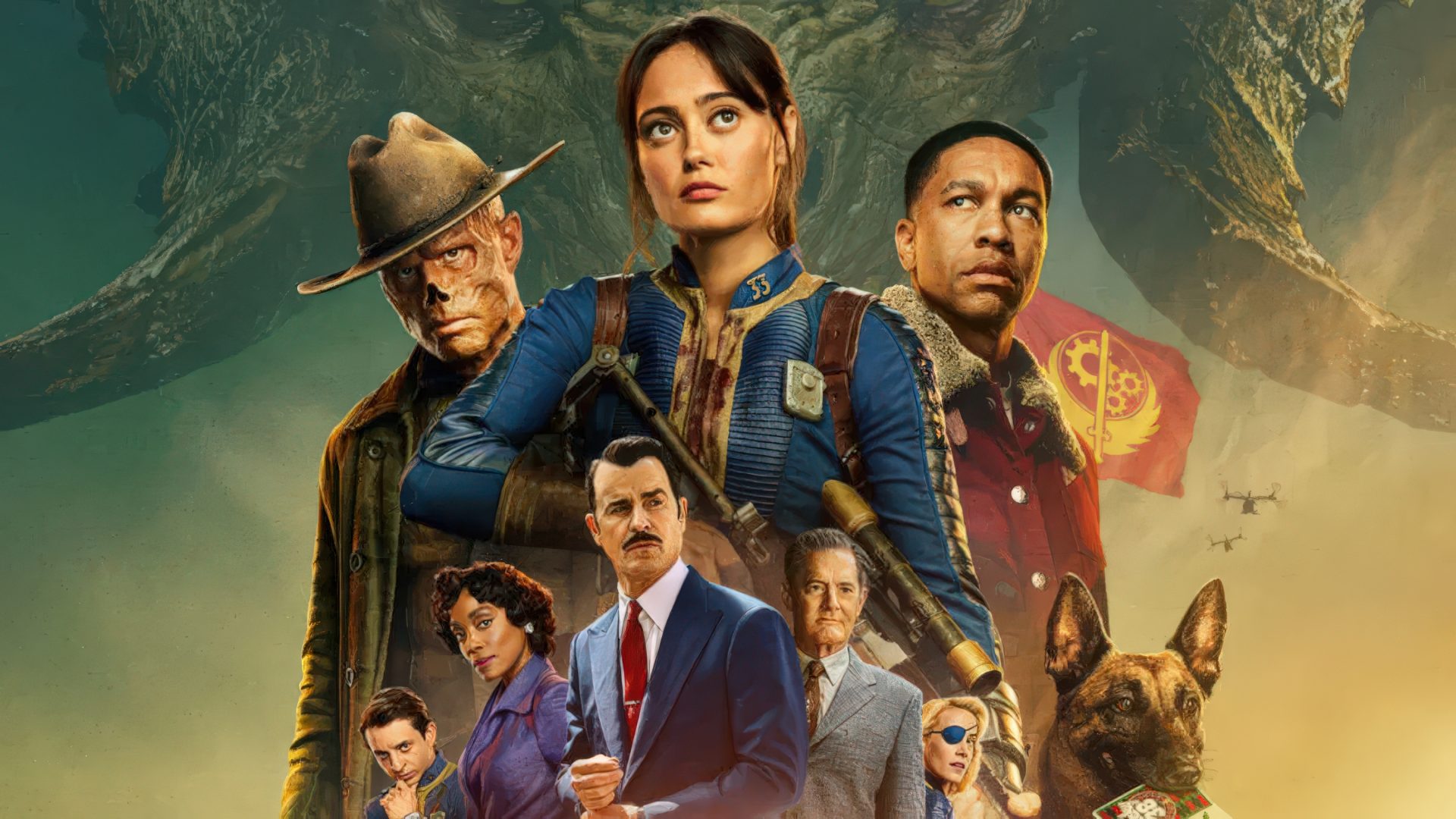
Looking ahead, the real test for Prime Video will be sustaining this momentum. While Fallout Season 2 has built on the first season's foundation, its long-term viability depends on whether it can innovate beyond nostalgia while retaining core fans. The streaming landscape is increasingly crowded, and the ability to convert viewers into recurring engagement—or even subscriptions—will determine if Fallout becomes a lasting franchise or remains a fleeting phenomenon.
The show's impact extends beyond viewership numbers. It serves as a case study for how licensed content can thrive when paired with strong narrative execution and strategic deployment. For Prime Video, this season demonstrates the potential of gaming-adjacent franchises to drive both audience growth and platform loyalty. However, the challenge remains in balancing creative risks with commercial expectations, ensuring that future installments do not rely solely on the original game's legacy.
As Fallout Season 2 concludes, the focus shifts to what comes next. Whether Prime Video will double down on similar franchises or explore new territories remains unclear, but one thing is certain: the bar has been set high. The ability to meet that standard without losing authenticity will define the future of this franchise and, by extension, the platform's strategy for gaming-adjacent content moving forward.